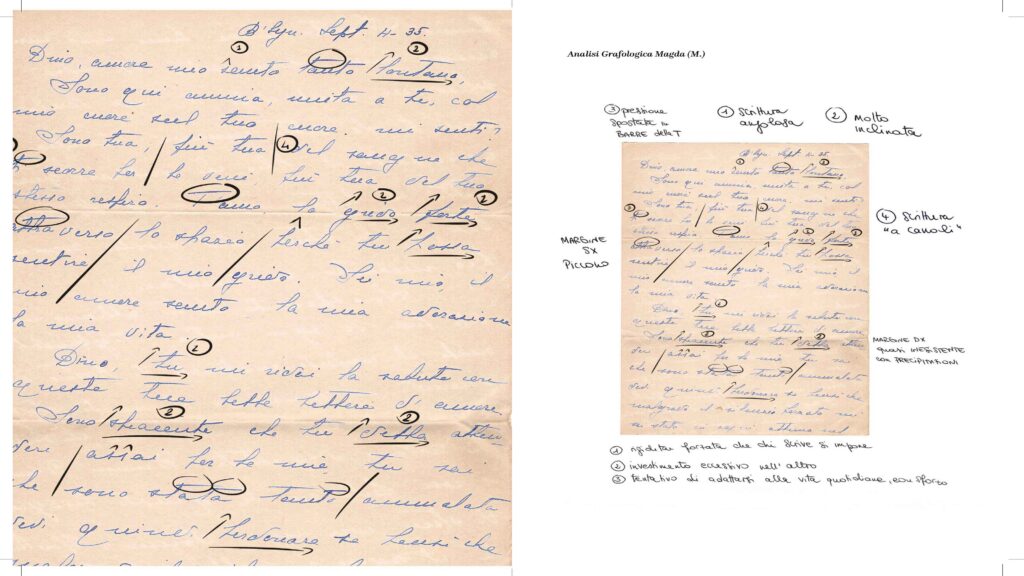
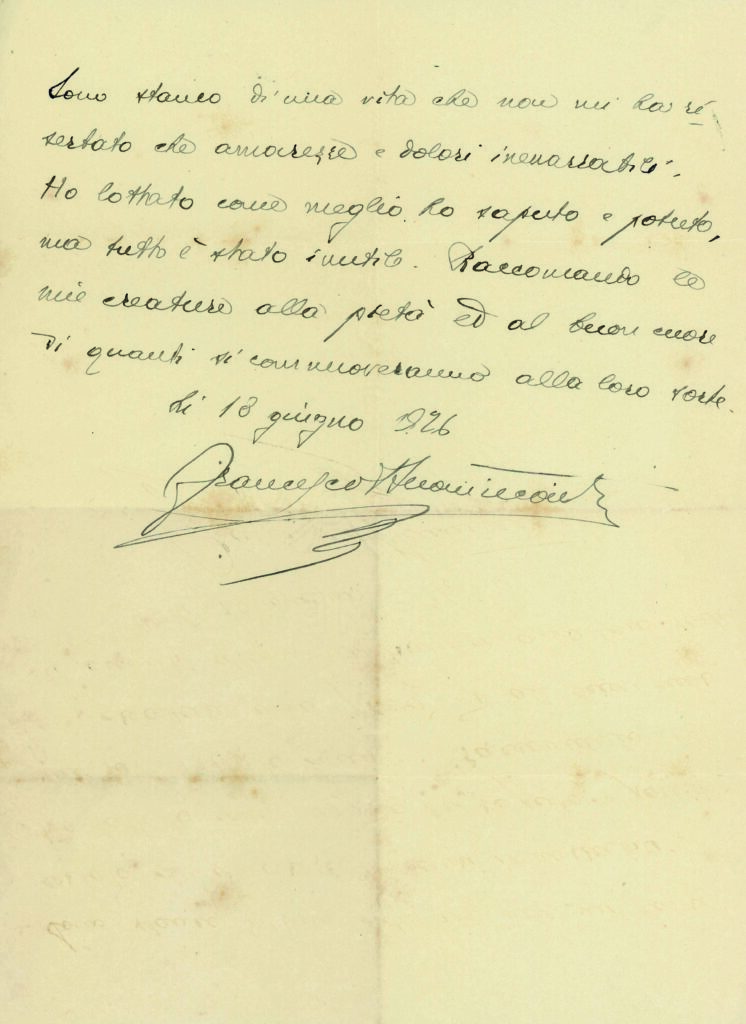
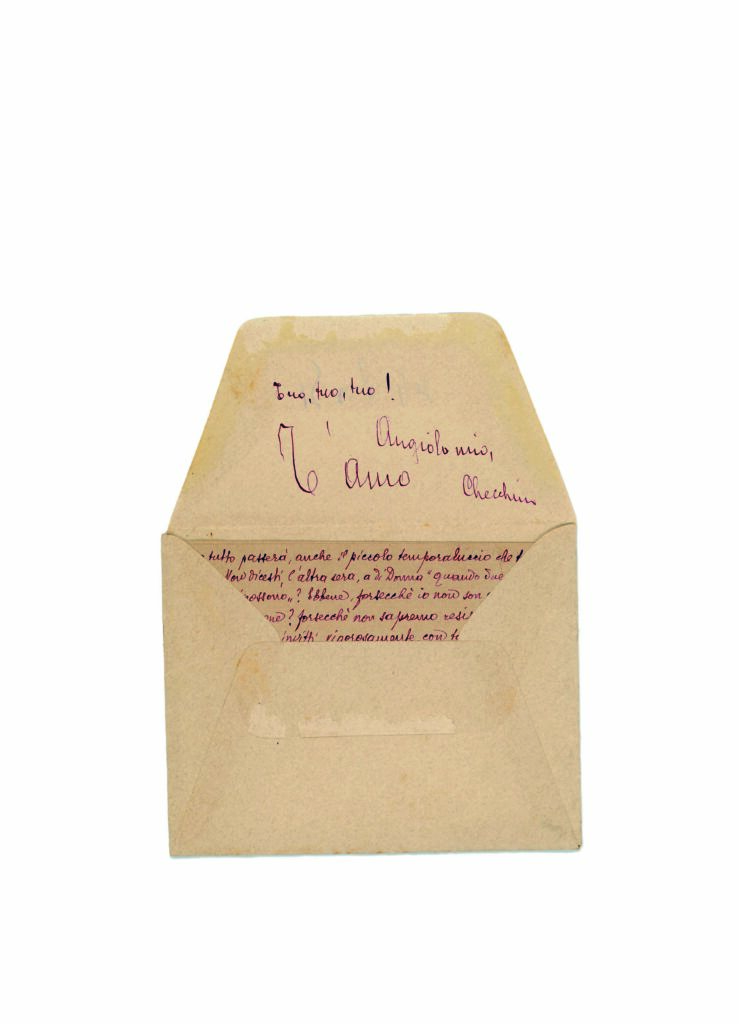
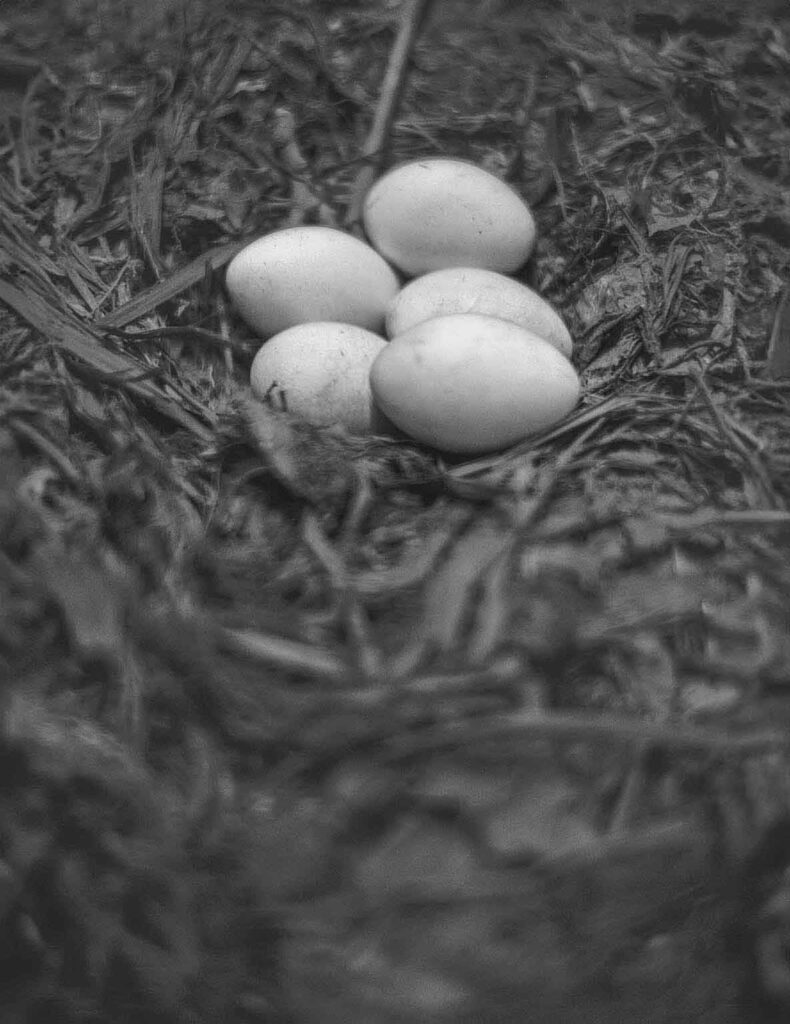
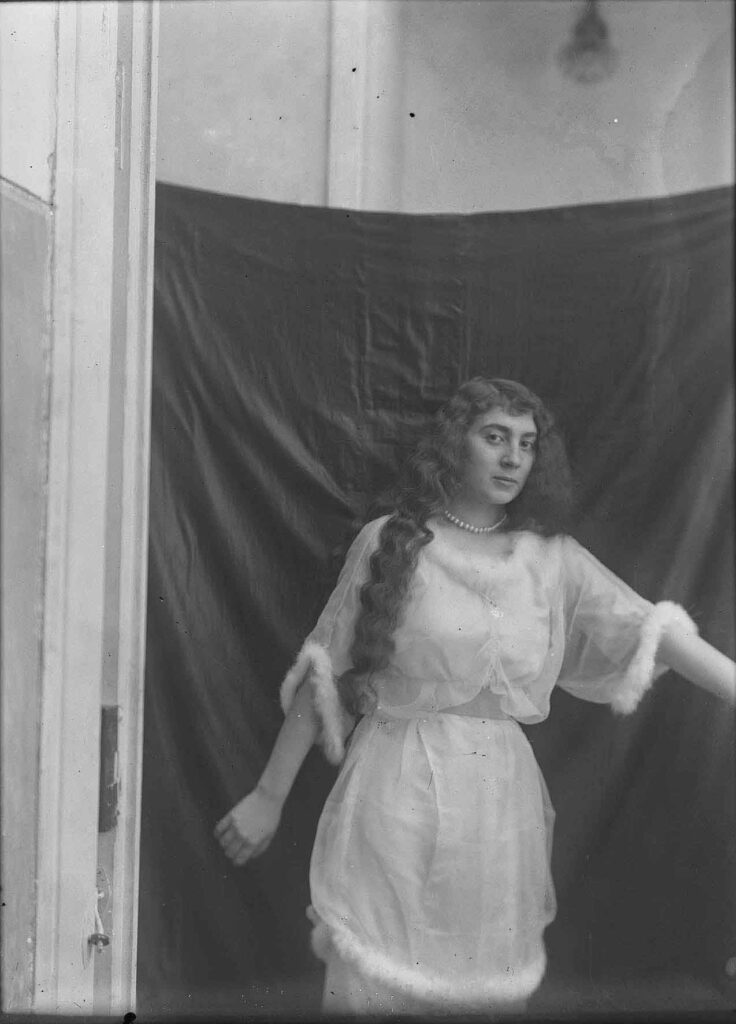
Lo studio della grafologia sostiene che il segno grafico sia una delle poche tracce che un individuo lascia di sé come ritratto psicologico intrinseco e autentico, diverso da altre espressioni artistiche o intellettuali perché non mediato da scelte consapevoli di stile o tecnica. Corrispondenze è una riflessione sull’amore e un invito a non per- dere la scrittura a mano. Essa rappresenta una manifestazione istintiva dell’essenza di ogni singolo individuo: una sorta di im- pronta, una traccia che svela in modo spontaneo e involontario i tratti più intimi della personalità dello scrivente, diventando un autoritratto inconscio. In Corrispondenze il lavoro di Yvonne De Rosa, narratrice visiva che utilizza la fotografia per esplorare e rappresentare le emozioni umane, è caratterizzato da un’impostazione ampia, quasi curatoriale, in cui ogni elemento viene scelto, studiato e integrato per con- tribuire a una narrazione più grande e complessa.
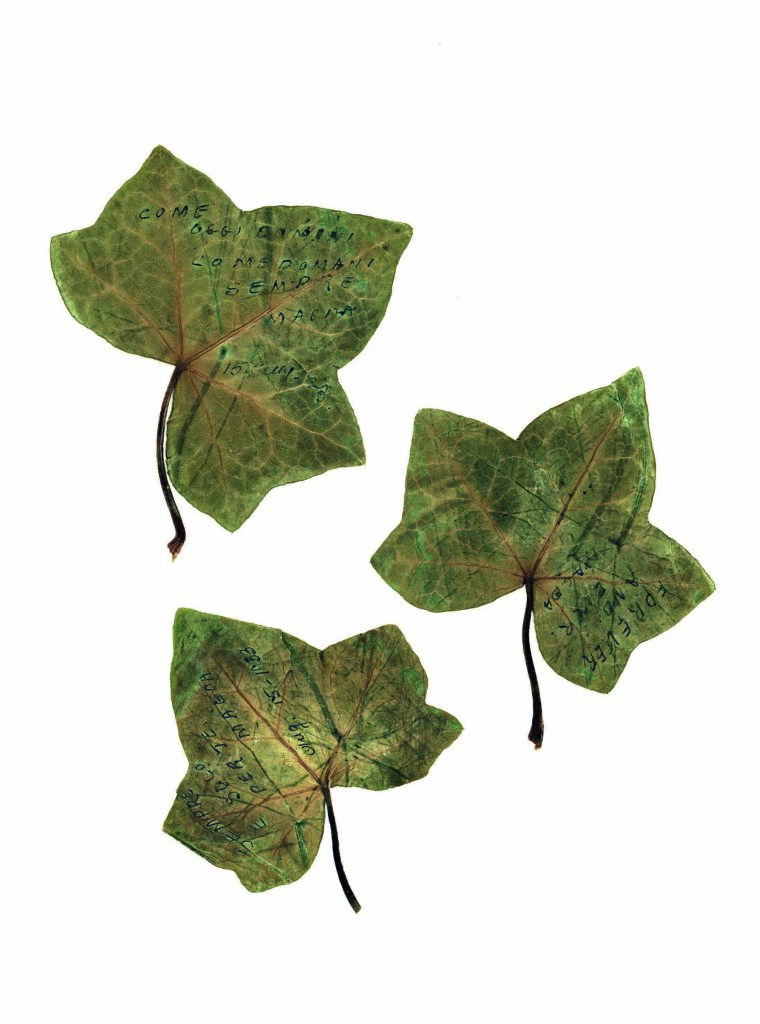
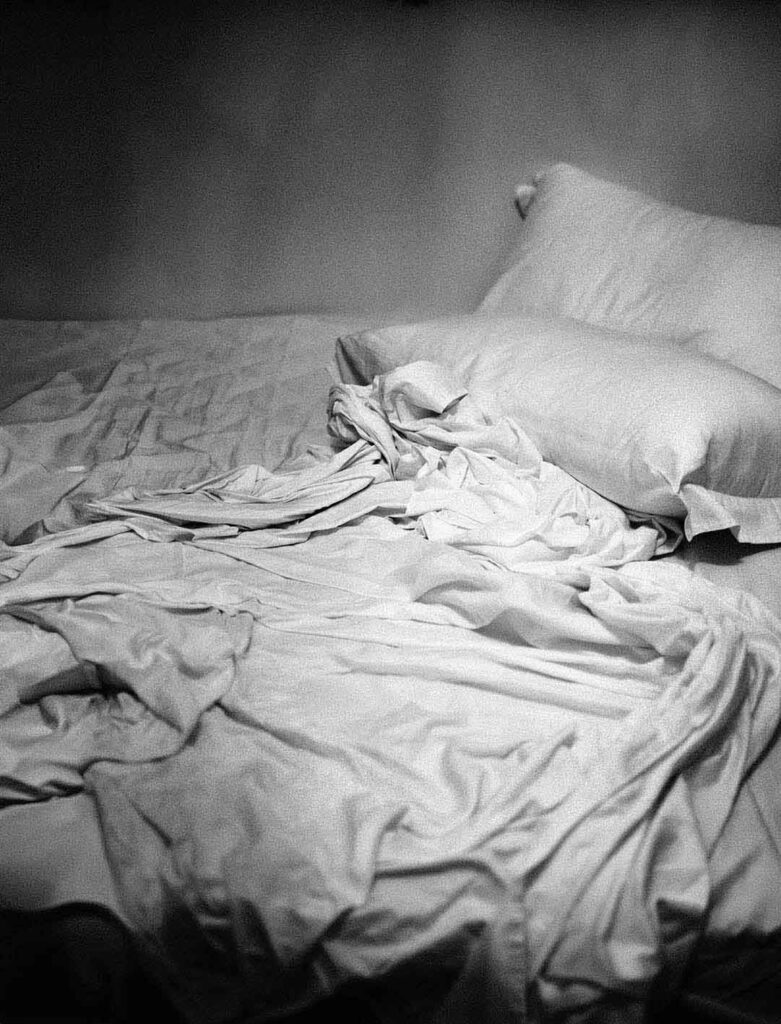
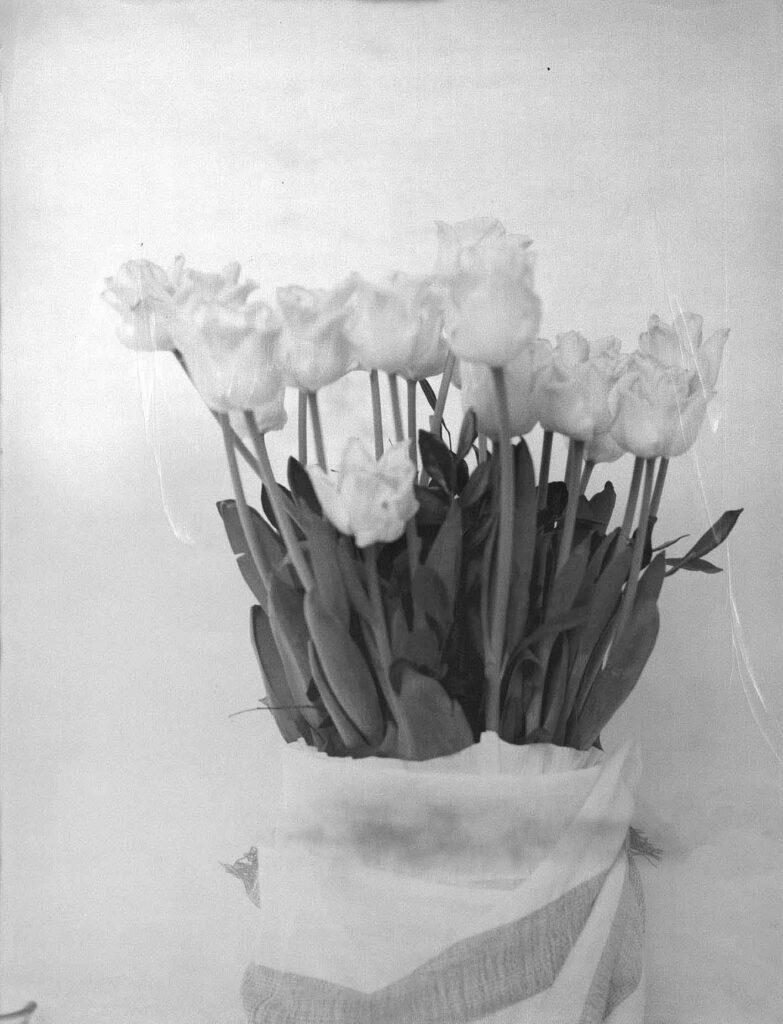
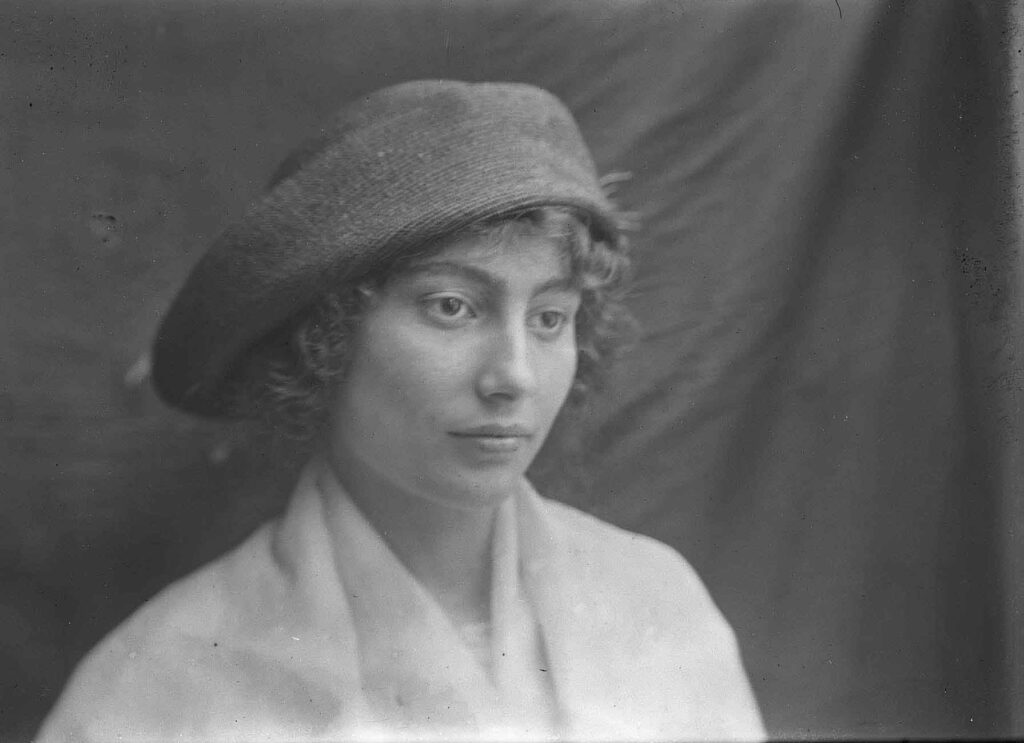
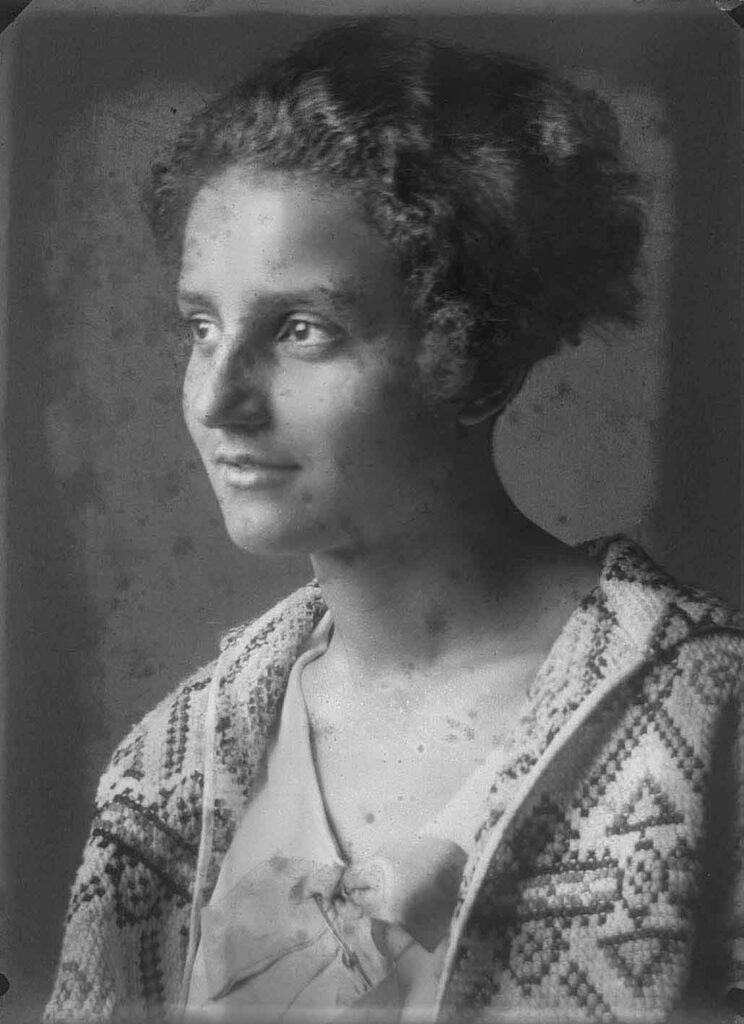
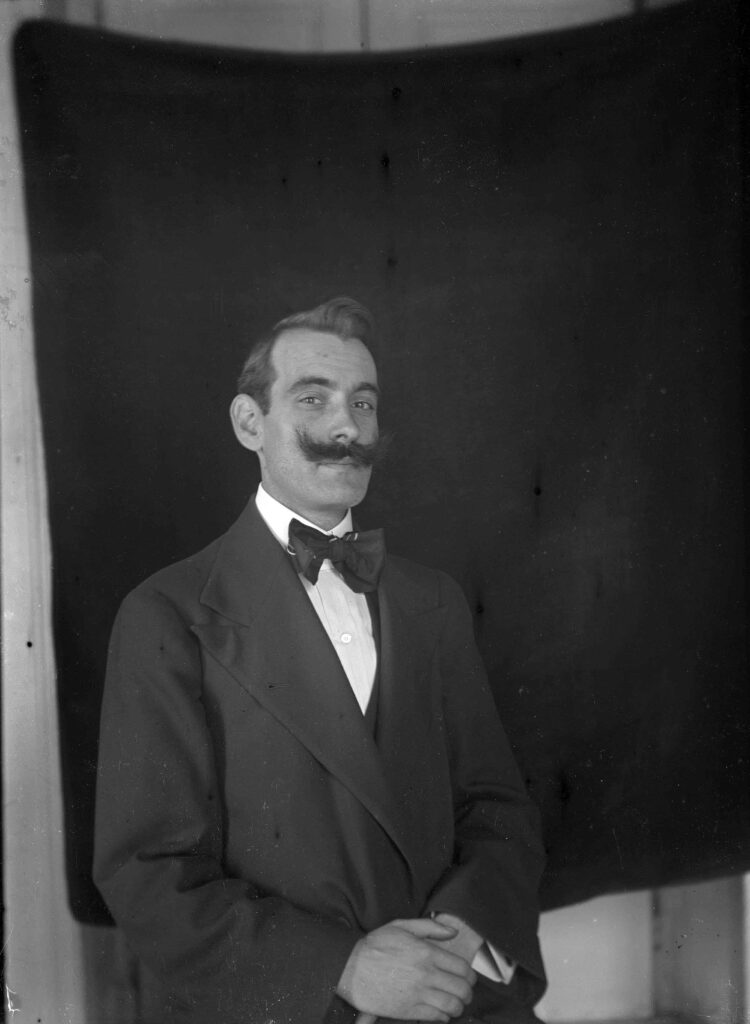
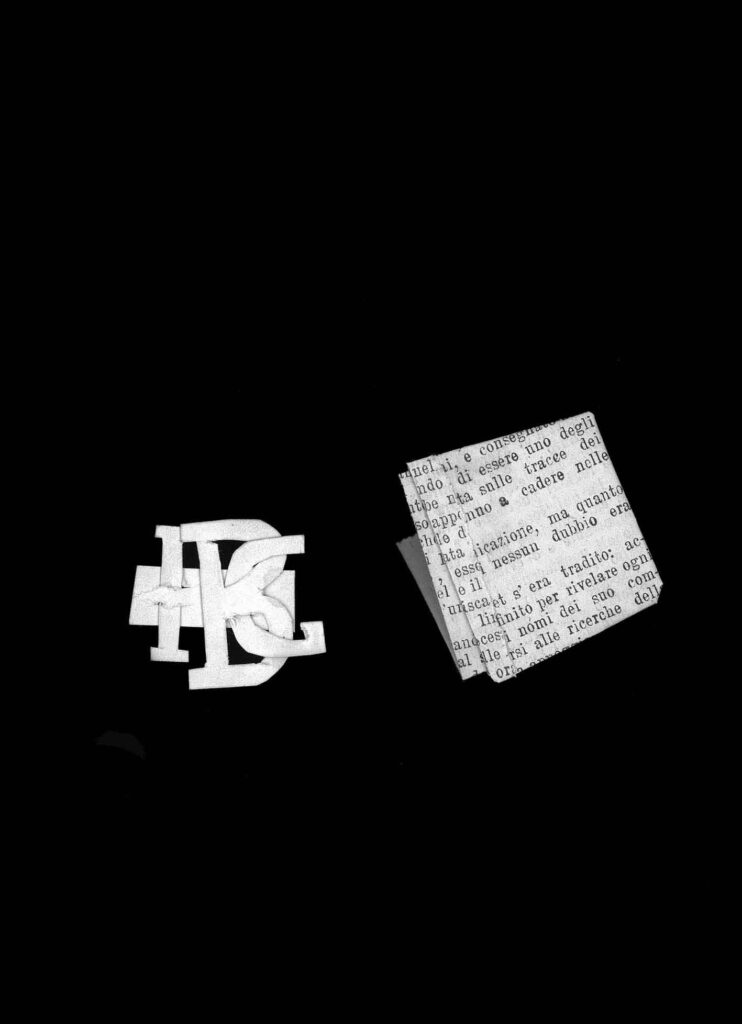
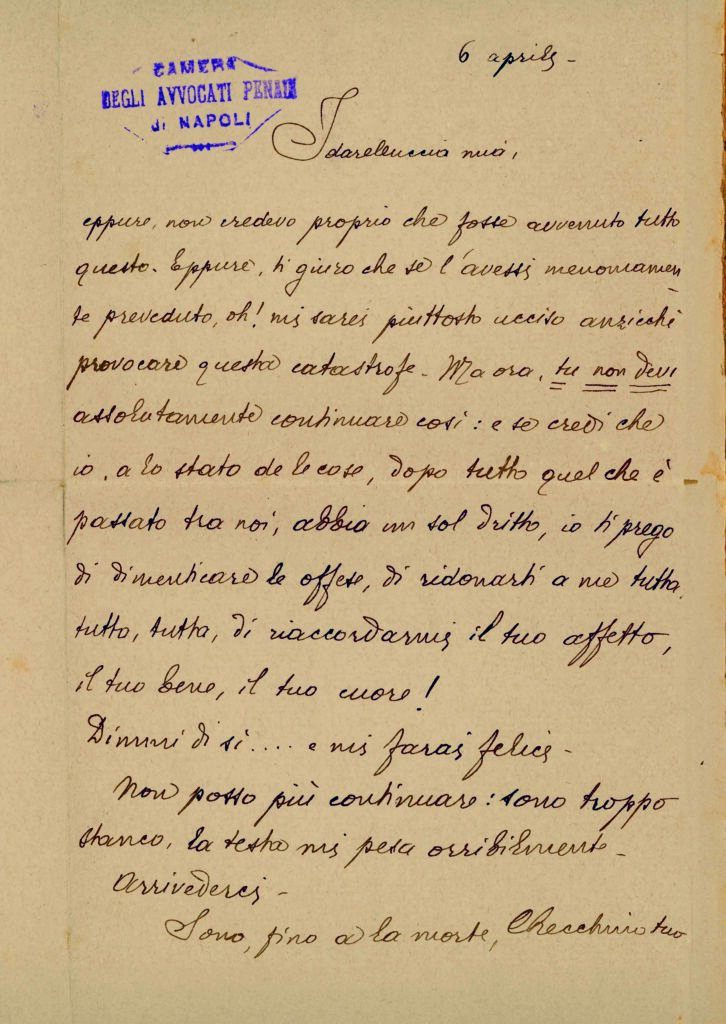
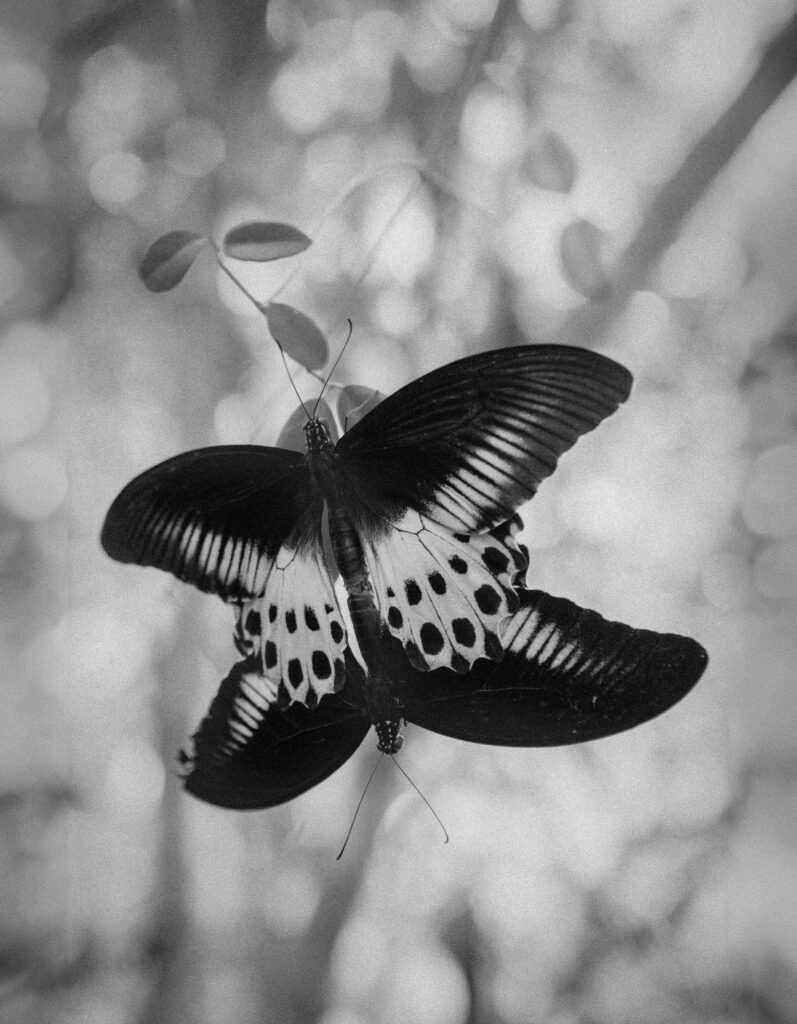
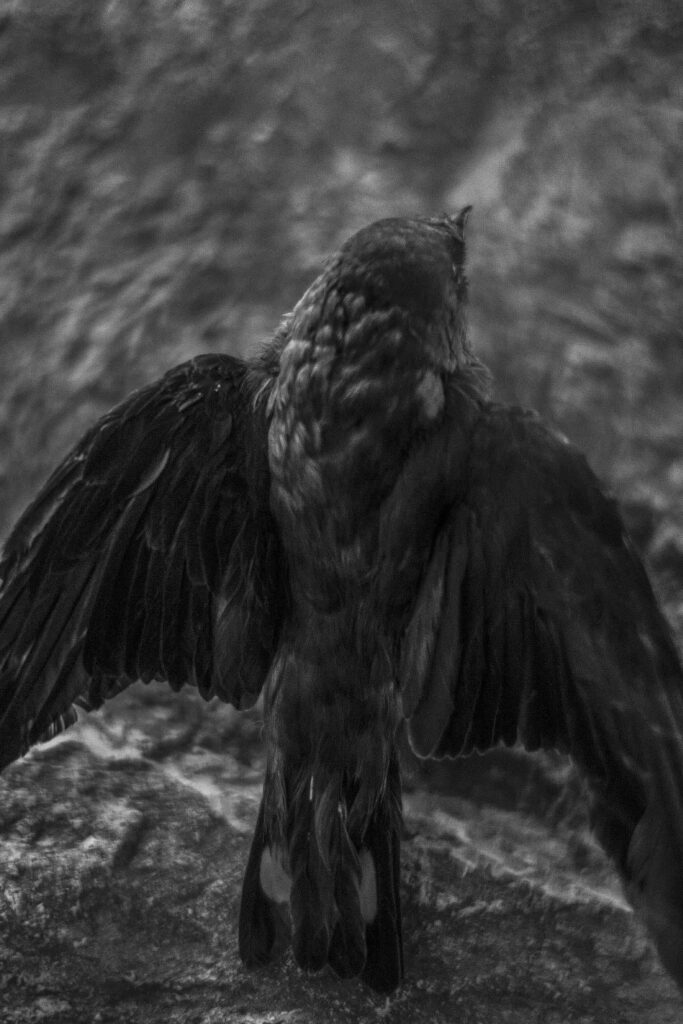
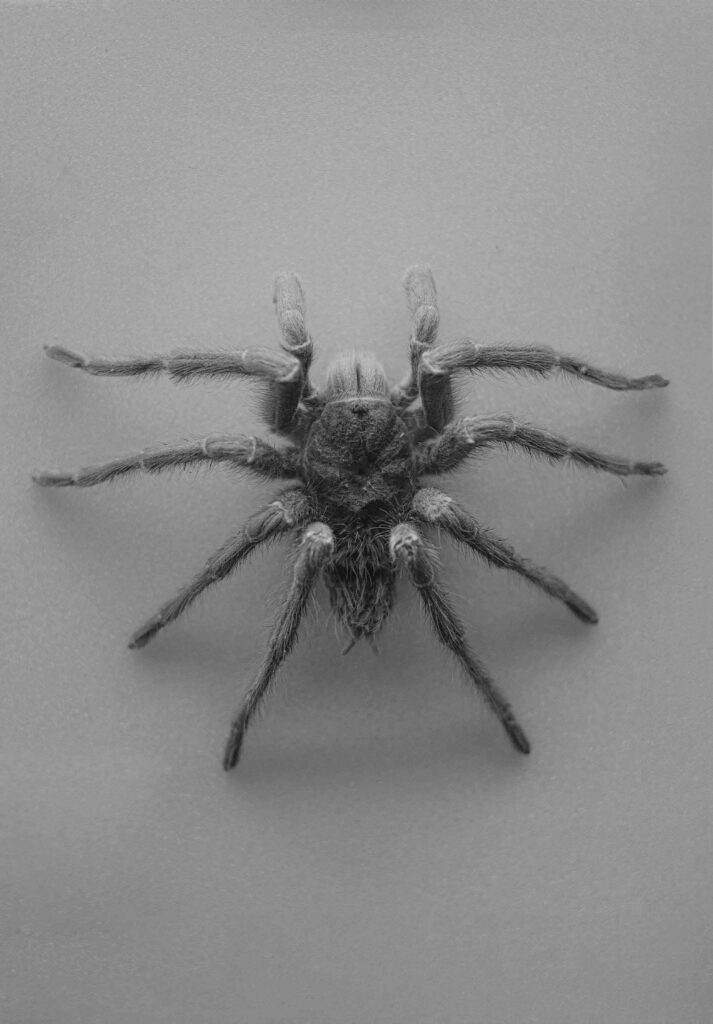
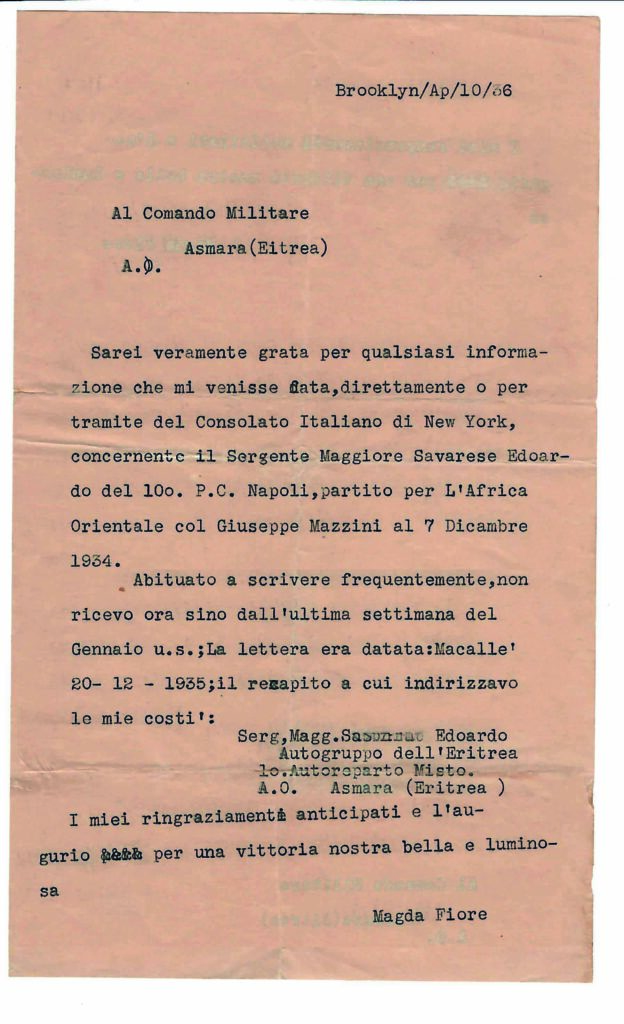
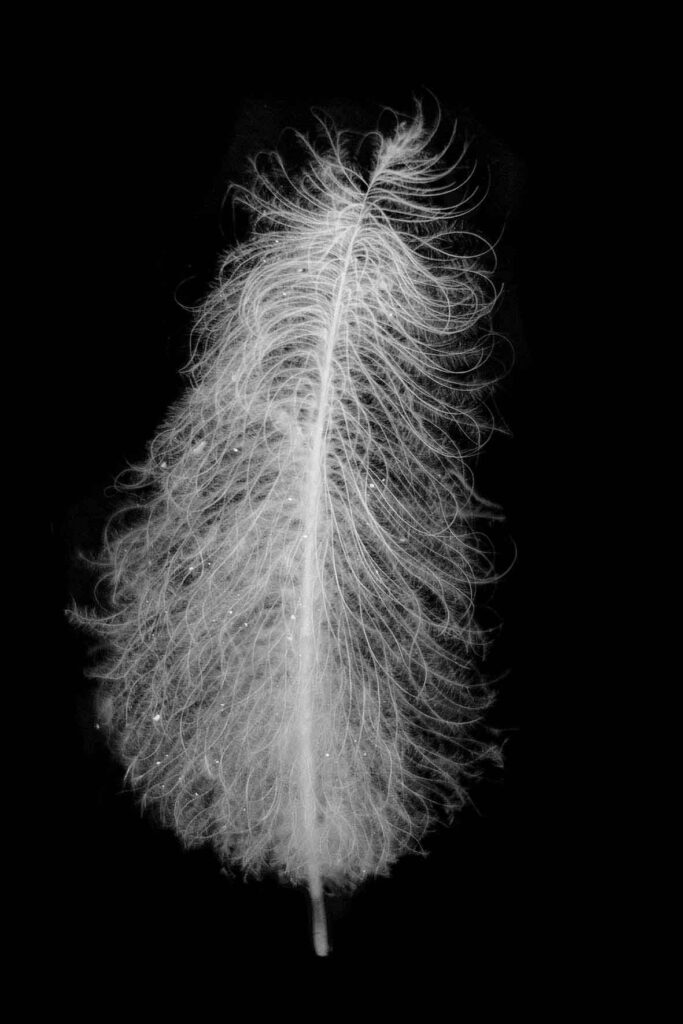
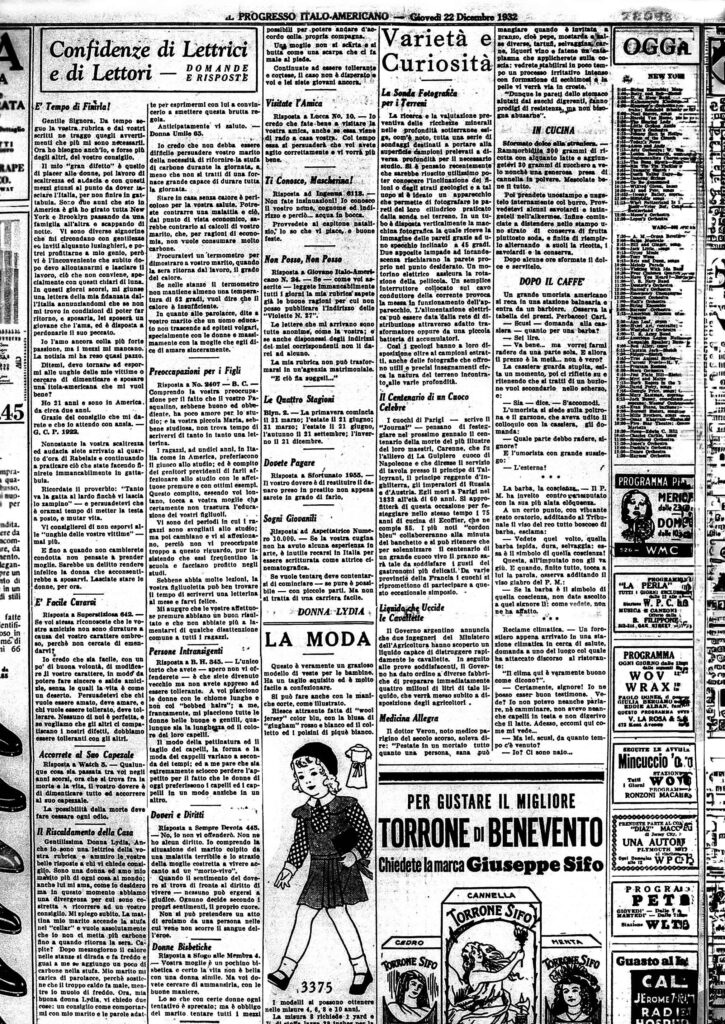
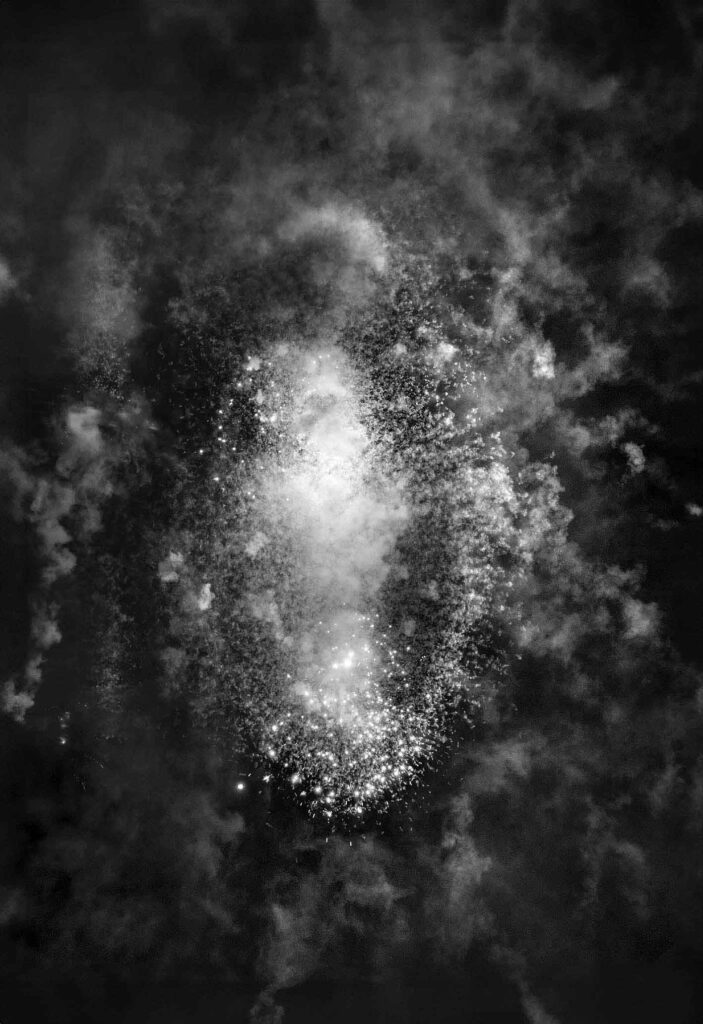
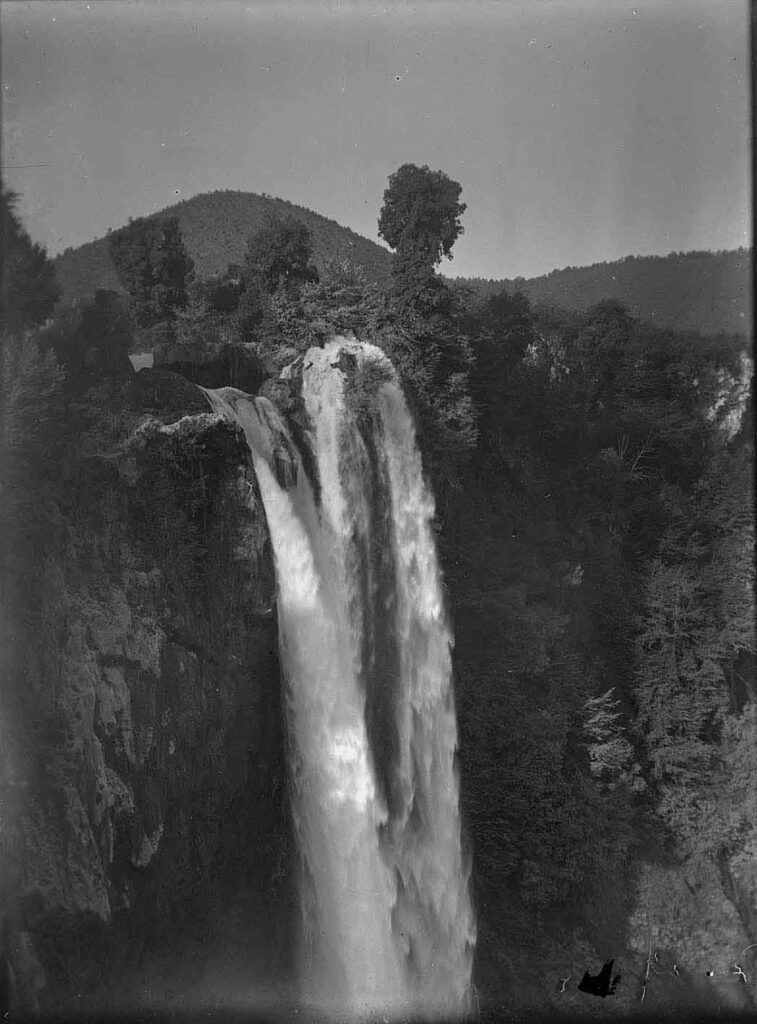
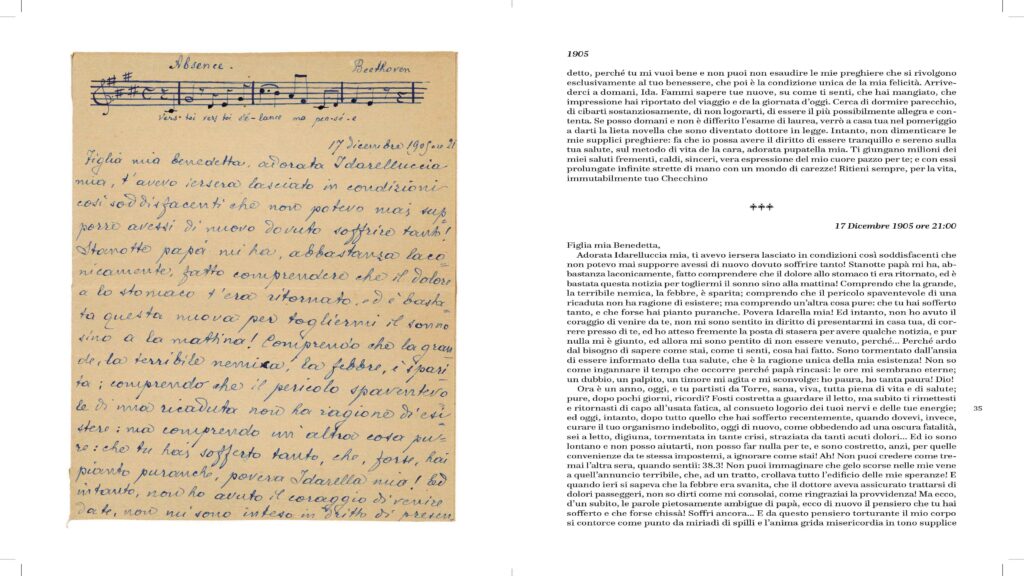
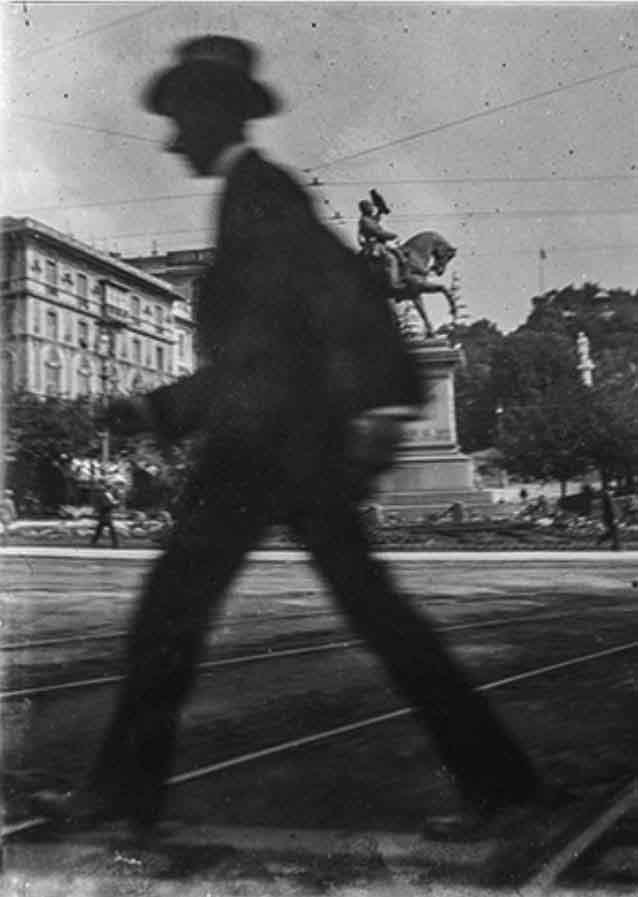
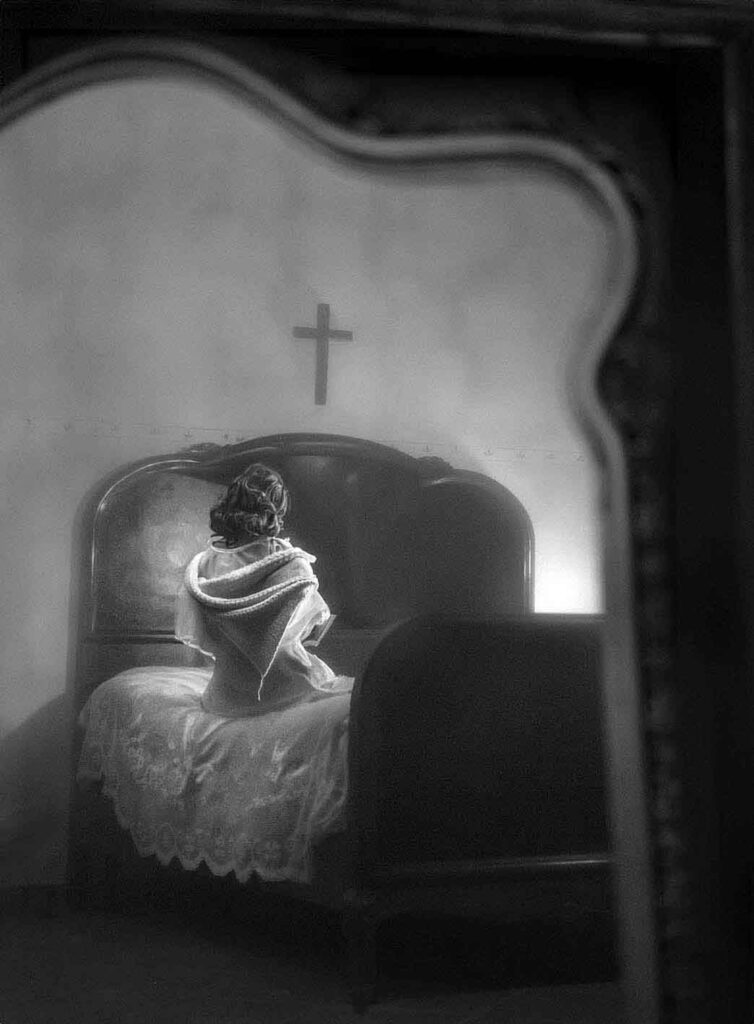
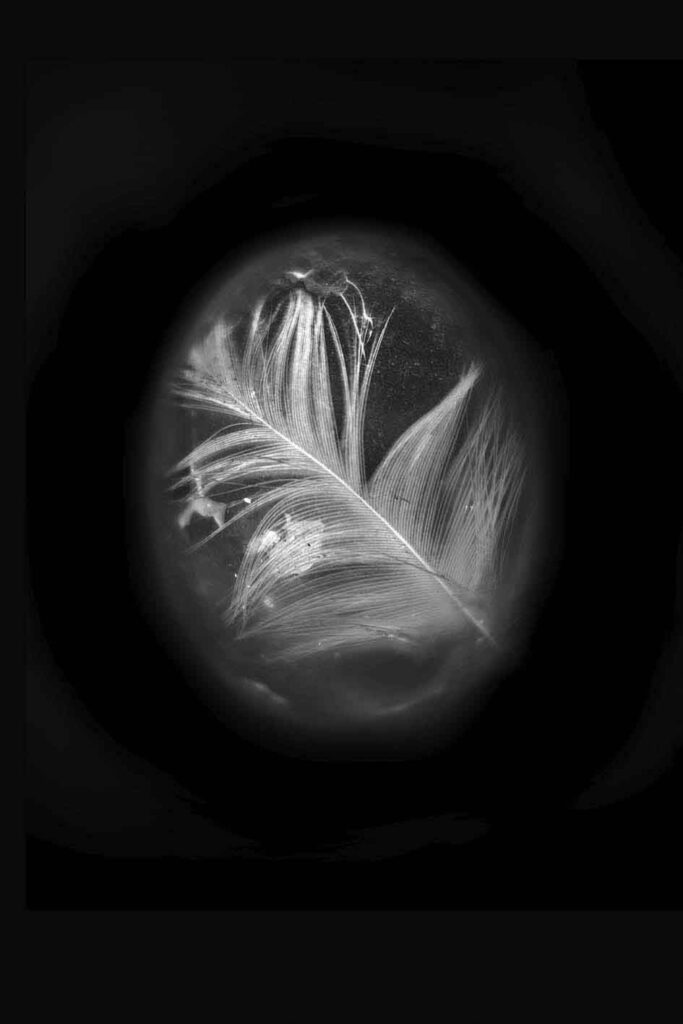
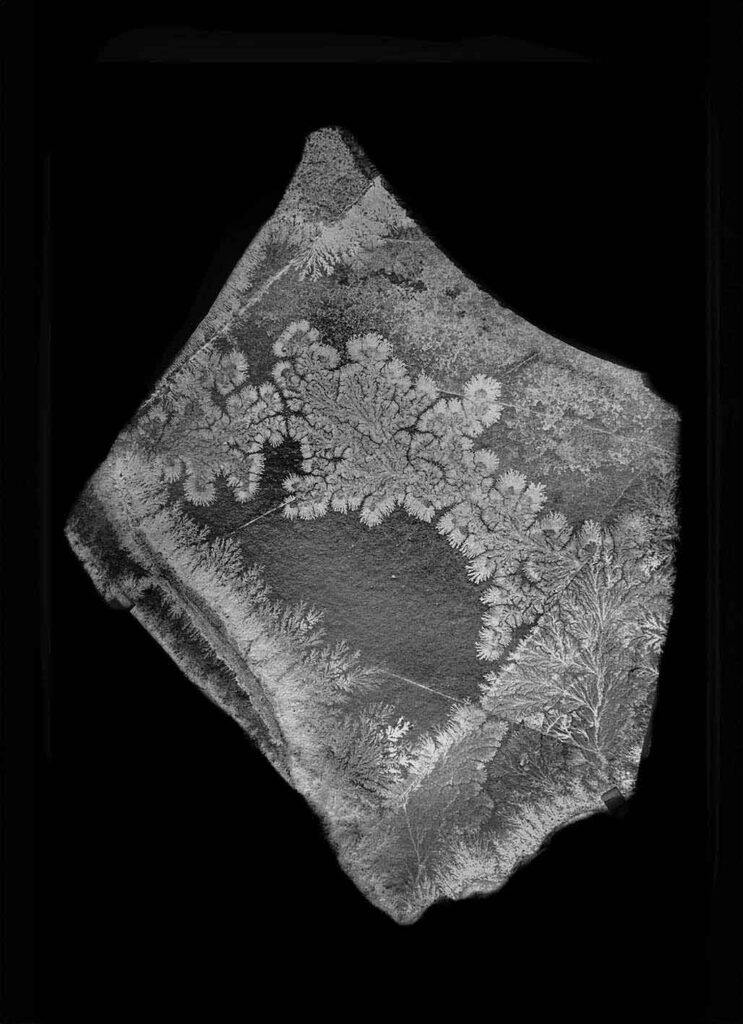
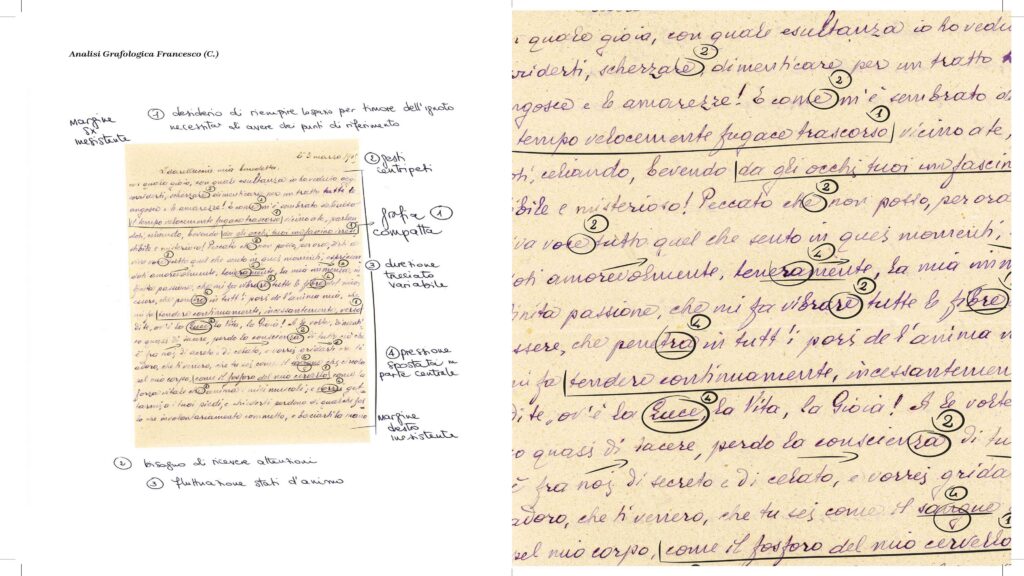
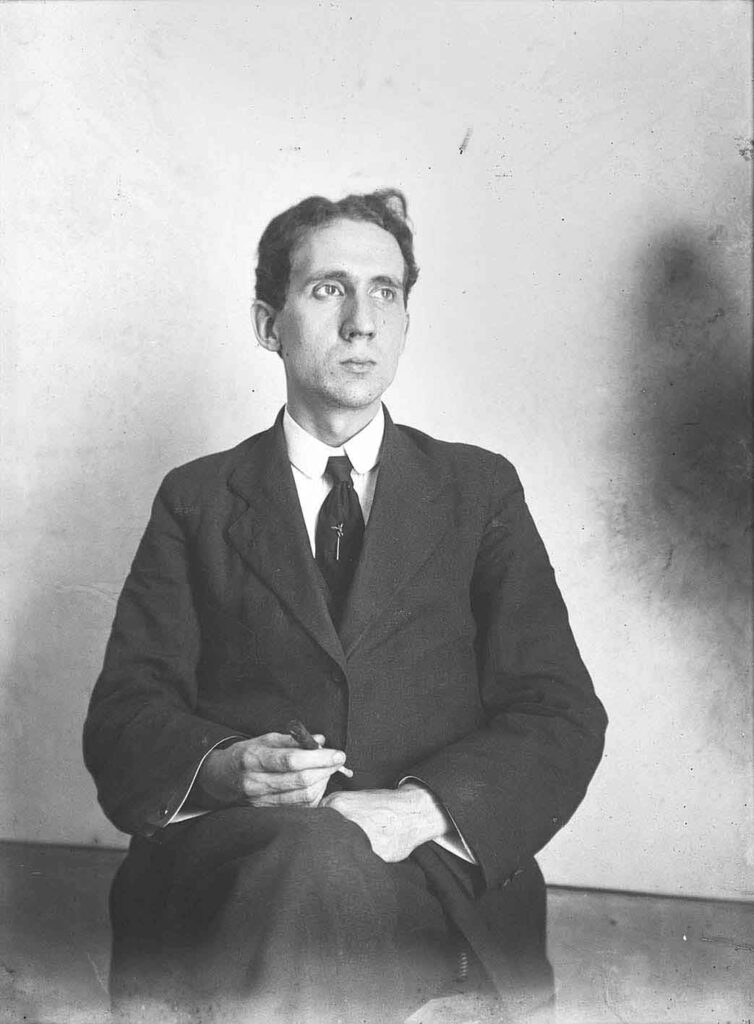
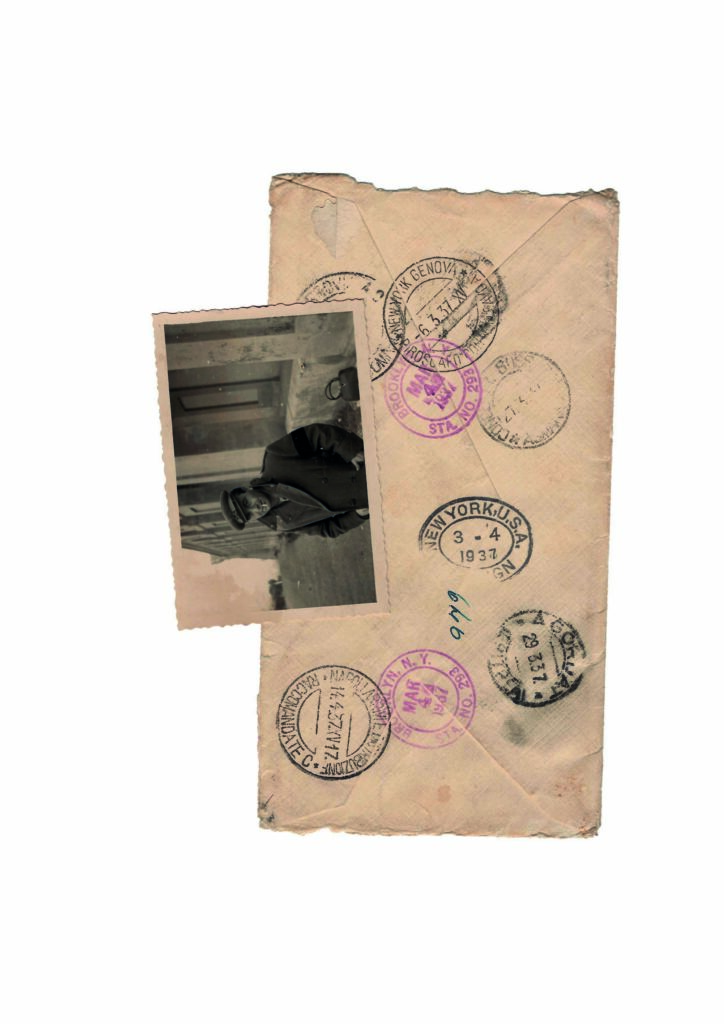
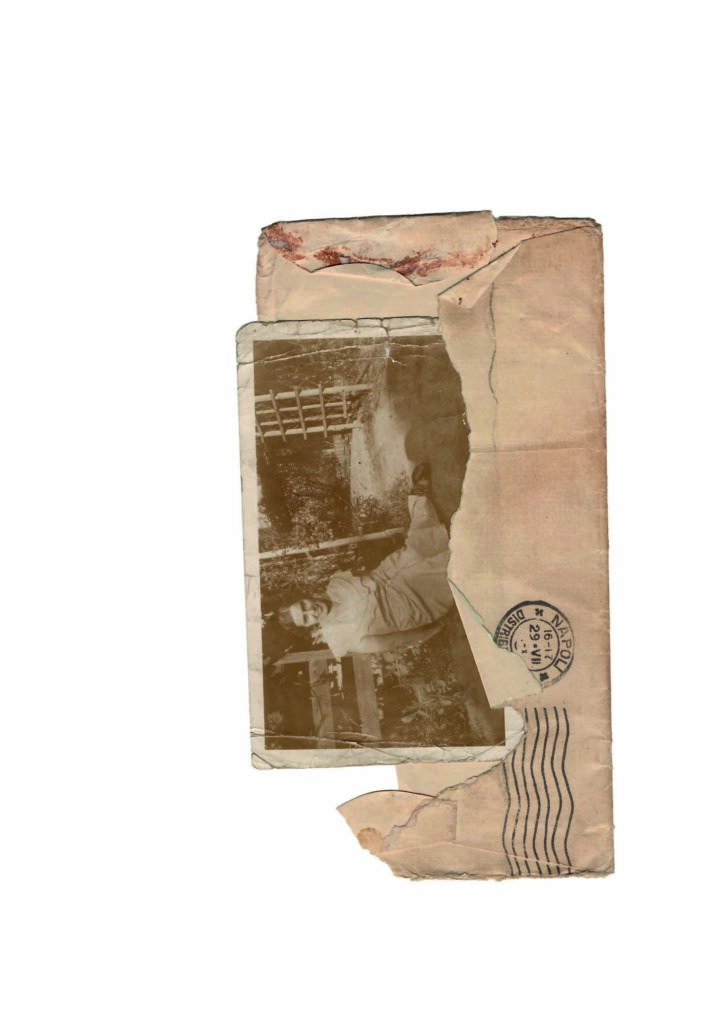
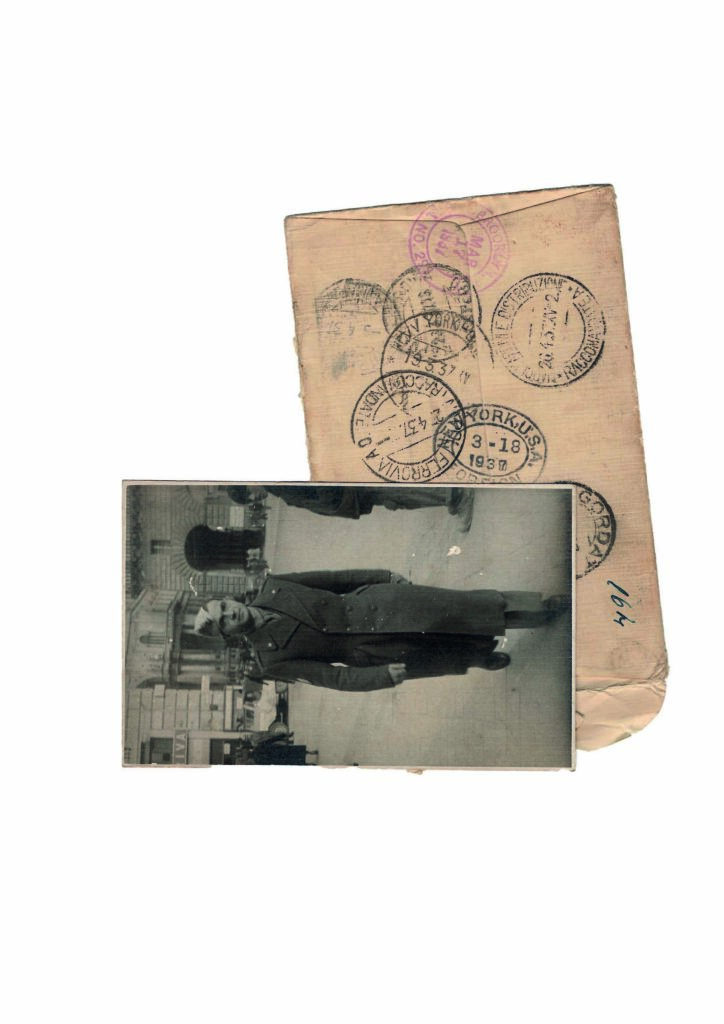
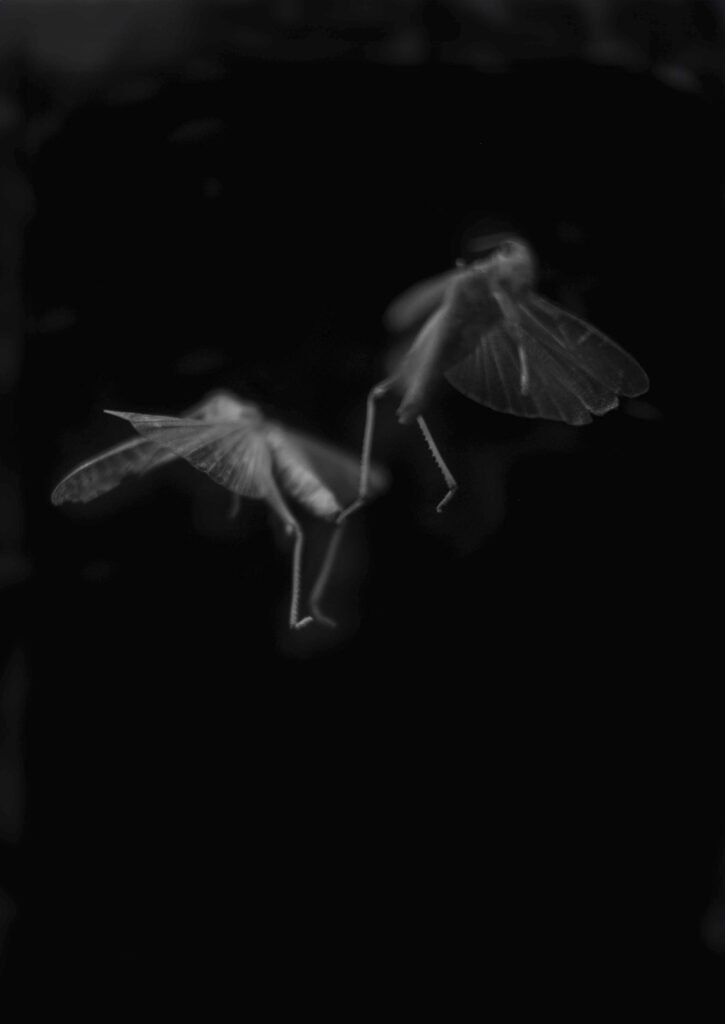
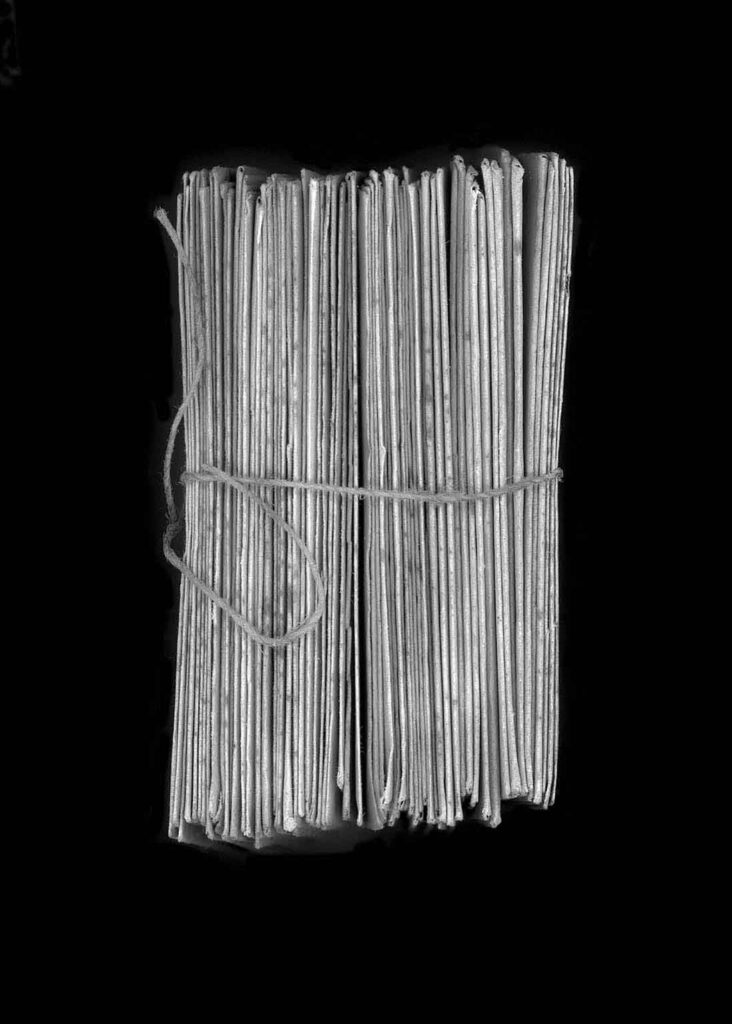
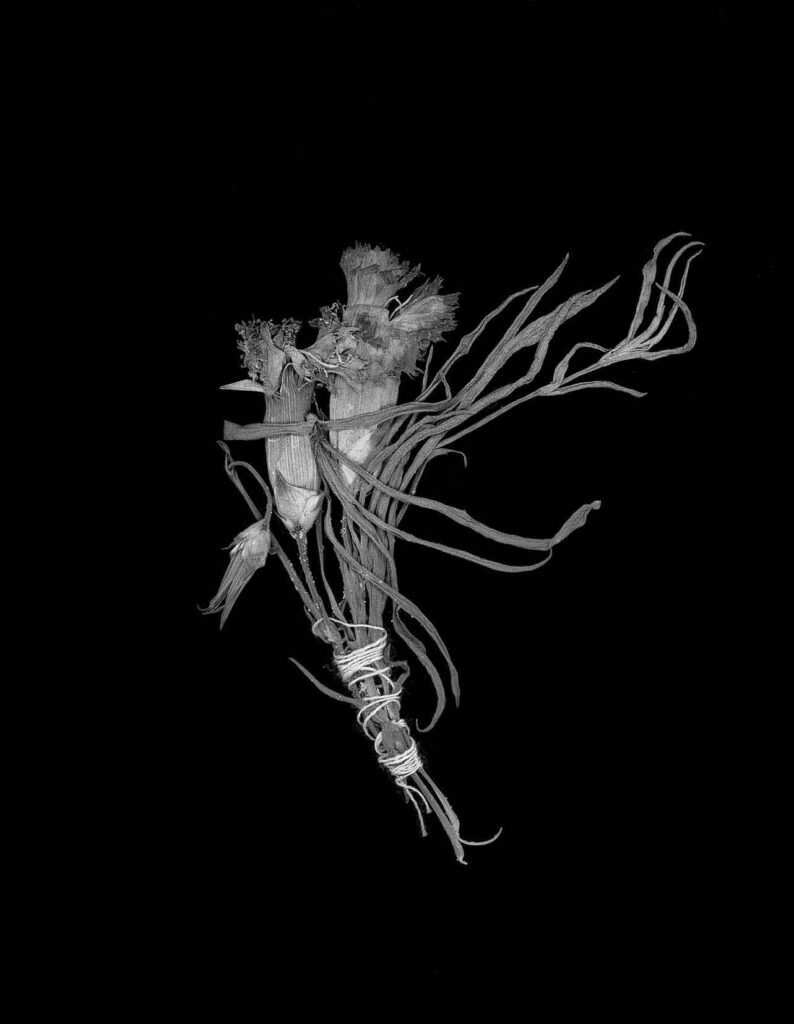
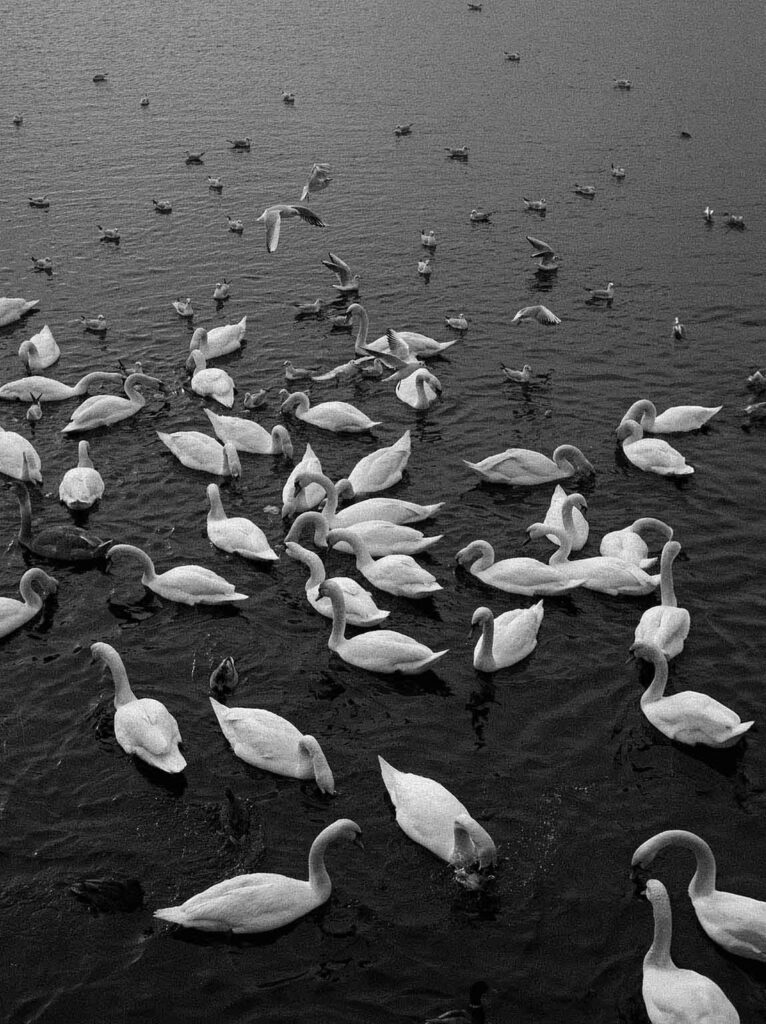
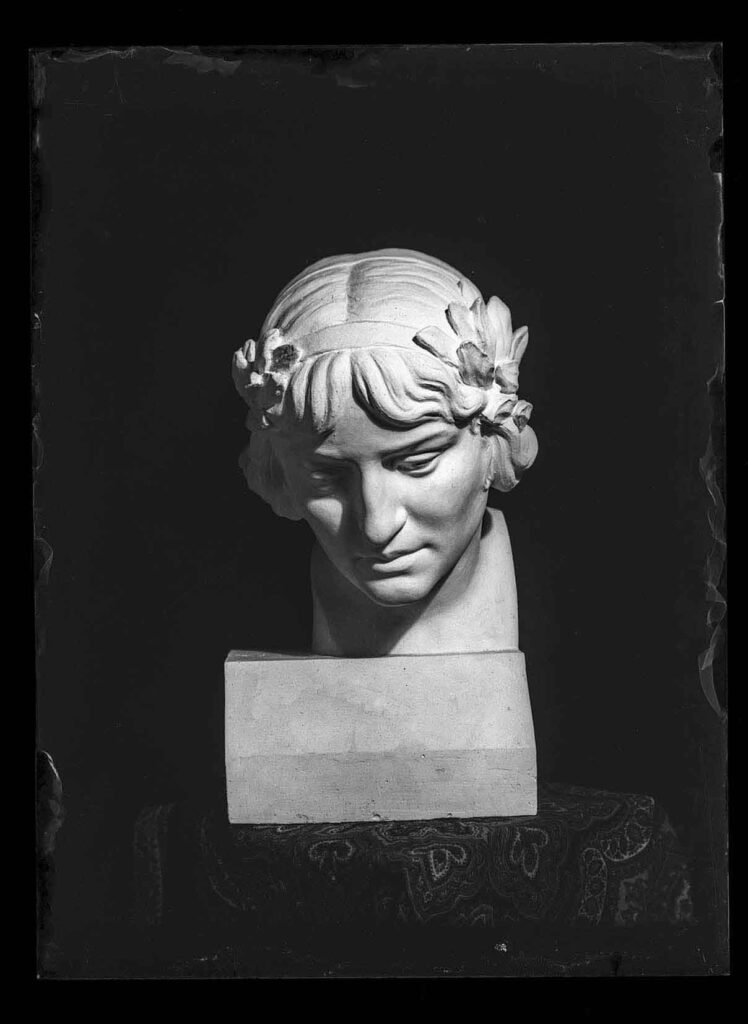
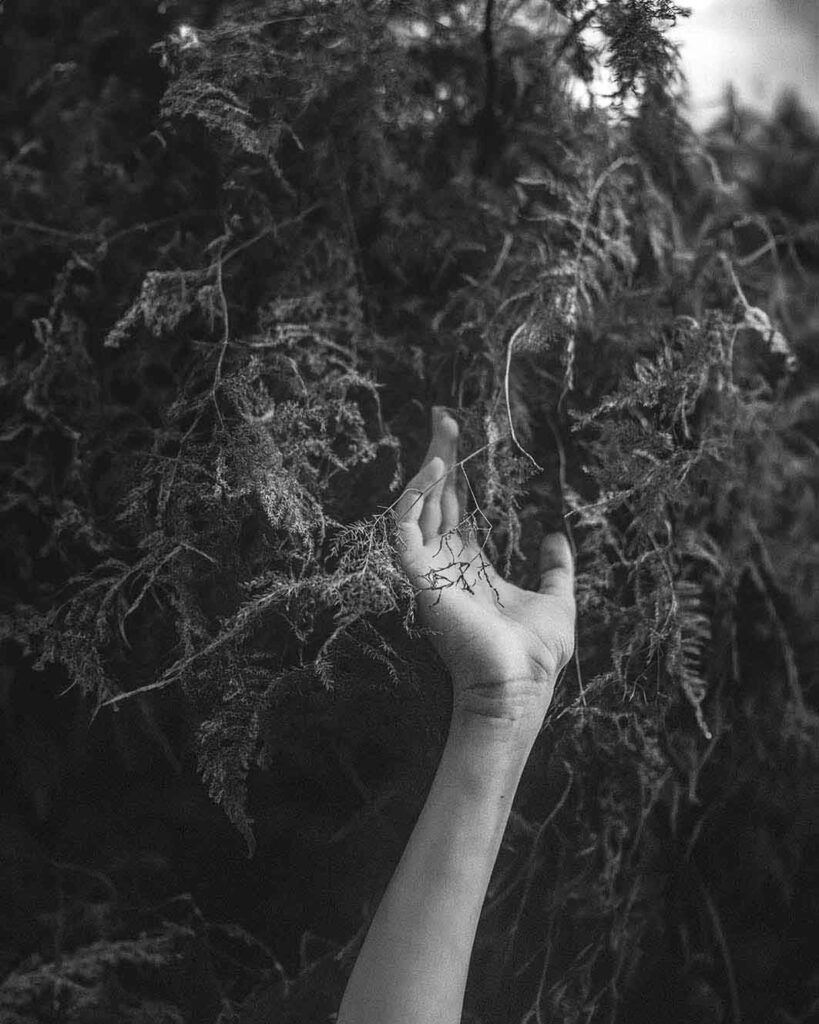
Partendo dallo studio di due carteggi amorosi dei primi del ’900, con l’aiuto di una psi- cologa esperta in grafologia, l’autrice ha approfondito la conoscenza della personalità dei soggetti scriventi. La grafia non è solo un insieme di segni codificati per trasmettere un messaggio verbale, ma vero e proprio “ritratto grafico” della persona che l’ha prodotta. Esplorando le tematiche della memoria, del desiderio e dell’amore, emerge l’evidenza di come queste esperienze umane siano sostanzialmente universali e atemporali, capaci di attraversare generazioni e di fornire uno spunto per riflettere sulla natura dei desideri umani. L’autrice ha lavorato e trasformato il contenuto emotivo di quanto scoperto con le sue ricerche in immagini: correlativi oggettivi che donano ai protagonisti una nuova vita e, per quanto possibile, l’impressione di un loro movimento nel presente. Il risultato è una fusione tra arte visiva, documentazione storica e indagine psicologica, che dissolve i confini tra passato e presente. La città di Napoli, in entrambi i carteggi, fa da sfondo, rappresenta un rifugio, un simbolo di speranza e di ritorno alle radici, un luogo dove costruire una vita ideale. Corrispondenze è esempio contemporaneo di come i confini tra le discipline artistiche possano essere sfumati e interconnessi, rivelando nuovi modi di comprendere e rap- presentare la realtà e la memoria.
Emblematicamente, quasi a prefigurare questo progetto, in una delle lettere Magda, firmandosi Magdatua scriveva: “Il nostro amore Dino mio non scemerà mai, sono certa che saprà sopravvivere anche dopo di noi perché, come ti ho detto, rimarrà sempre a ricordarlo il libro che conterrà quasi tutte le lettere che io ti ho mandato e la storia del nostro romantico incontro sentimentale.”
Violante G. Concourse
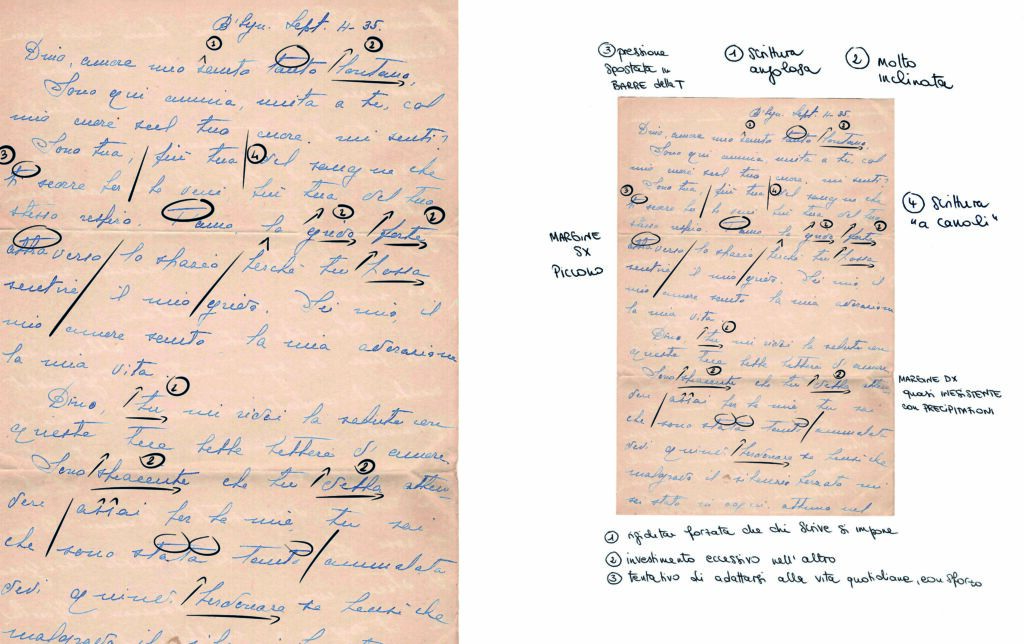
The study of graphology holds that the handwritten sign is one of the few traces an individual leaves of themselves, an intrinsic and authentic psychological portrait, distinct from other artistic or intellectual expressions because it is not mediated by conscious choices of style or technique. Correspondences is a reflection on love and an invitation to never lose sight of handwriting. It represents an instinctive manifestation of the essence of each individual: a sort of imprint, a trace that spontaneously and involuntarily reveals the most intimate traits of the writer’s personality, becoming an unconscious self-portrait.
In Correspondences, the work of Yvonne De Rosa, a visual storyteller who uses photography to explore and represent human emotions, is characterized by a broad, almost curatorial approach, in which each element is chosen, studied, and integrated to contribute to a larger and more complex narrative.
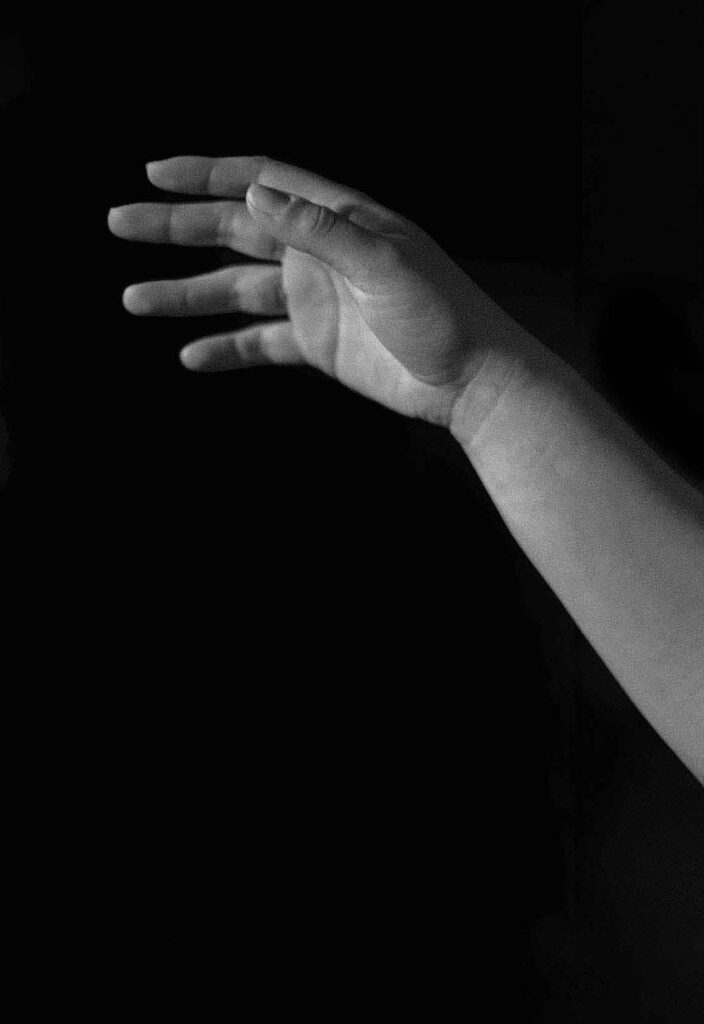
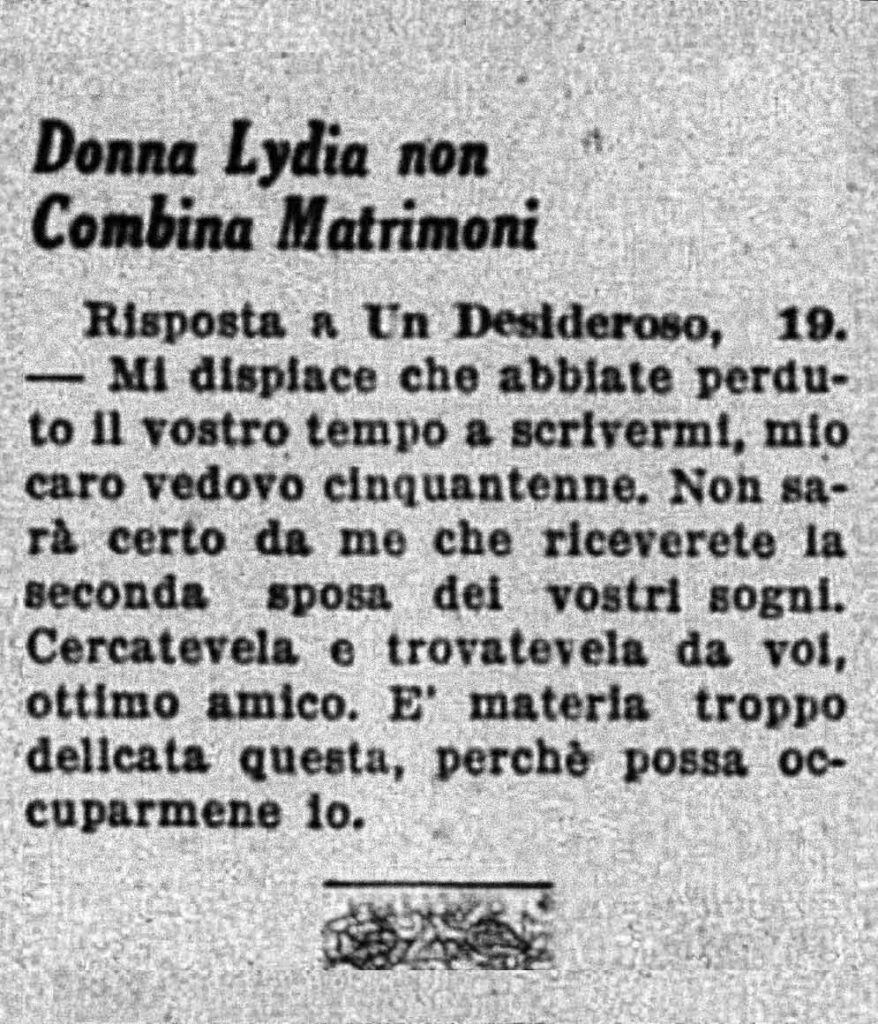
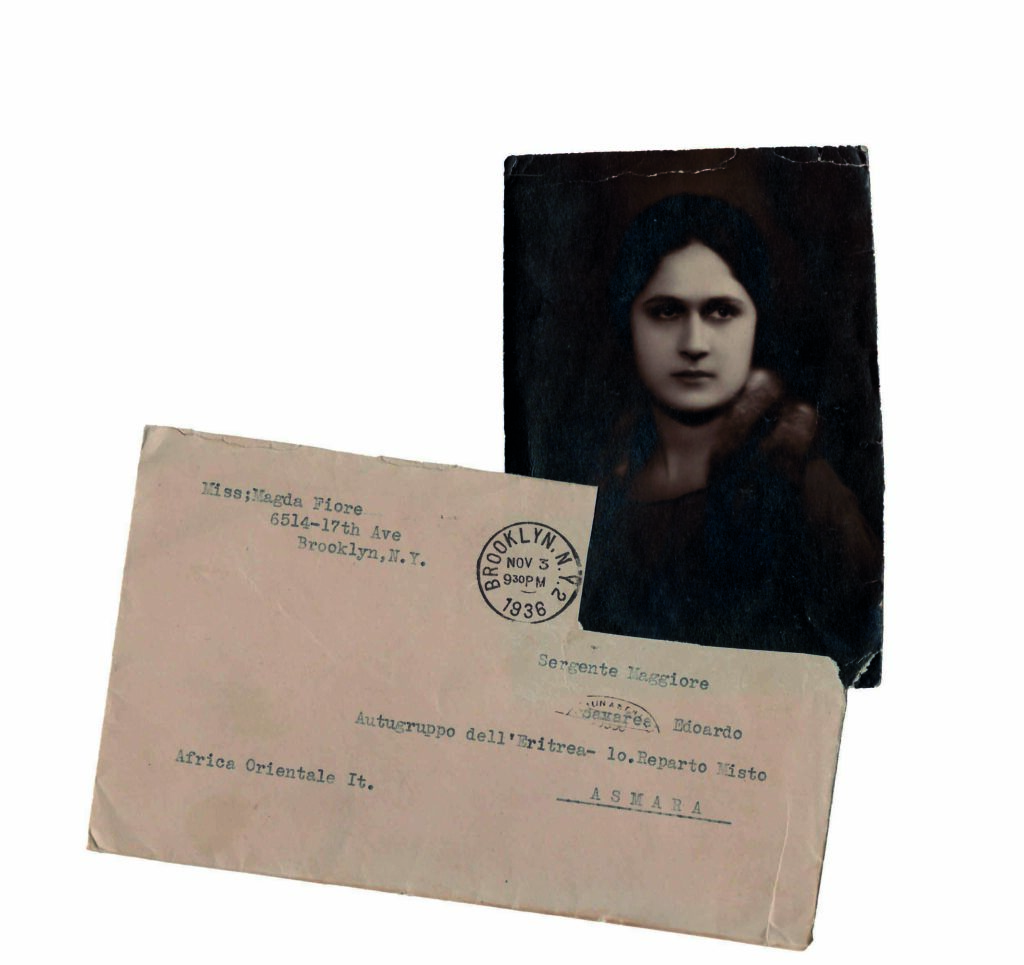
Starting from the study of two love correspondences from the early 1900s, with the help of a psychologist expert in graphology, the author deepened her understanding of the personalities of the writers. Handwriting is not simply a set of symbols coded to convey a verbal message, but a true “graphic portrait” of the person who produced it. Exploring the themes of memory, desire, and love, evidence emerges of how these human experiences are essentially universal and timeless, capable of spanning generations and providing food for thought on the nature of human desires. The author has worked and transformed the emotional content of what she discovered through her research into images: objective correlatives that give the protagonists a new life and, as far as possible, the impression of their movement in the present. The result is a fusion of visual art, historical documentation, and psychological inquiry, which dissolves the boundaries between past and present. The city of Naples, in both correspondences, serves as a backdrop, representing a refuge, a symbol of hope and a return to one’s roots, a place to build an ideal life.
Corrispondenze is a contemporary example of how the boundaries between artistic disciplines can be blurred and interconnected, revealing new ways of understanding and representing reality and memory.
Emblematically, almost prefiguring this project, in one of the letters Magda, signing herself Magdatua, wrote: “Our love, my Dino, will never wane. I am certain it will survive even after us because, as I told you, the book containing almost all the letters I sent you and the story of our romantic encounter will always remain as a reminder of it.”
Violante G. Concourse
Lo studio della grafologia sostiene che il segno grafico sia una delle poche tracce che un individuo lascia di sé come ritratto psicologico intrinseco e autentico, diverso da altre espressioni artistiche o intellettuali perché non mediato da scelte consapevoli di stile o tecnica. Corrispondenze è una riflessione sull’amore e un invito a non per- dere la scrittura a mano. Essa rappresenta una manifestazione istintiva dell’essenza di ogni singolo individuo: una sorta di im- pronta, una traccia che svela in modo spontaneo e involontario i tratti più intimi della personalità dello scrivente, diventando un autoritratto inconscio. In Corrispondenze il lavoro di Yvonne De Rosa, narratrice visiva che utilizza la fotografia per esplorare e rappresentare le emozioni umane, è caratterizzato da un’impostazione ampia, quasi curatoriale, in cui ogni elemento viene scelto, studiato e integrato per con- tribuire a una narrazione più grande e complessa.
Partendo dallo studio di due carteggi amorosi dei primi del ’900, con l’aiuto di una psi- cologa esperta in grafologia, l’autrice ha approfondito la conoscenza della personalità dei soggetti scriventi. La grafia non è solo un insieme di segni codificati per trasmettere un messaggio verbale, ma vero e proprio “ritratto grafico” della persona che l’ha prodotta. Esplorando le tematiche della memoria, del desiderio e dell’amore, emerge l’evidenza di come queste esperienze umane siano sostanzialmente universali e atemporali, capaci di attraversare generazioni e di fornire uno spunto per riflettere sulla natura dei desideri umani. L’autrice ha lavorato e trasformato il contenuto emotivo di quanto scoperto con le sue ricerche in immagini: correlativi oggettivi che donano ai protagonisti una nuova vita e, per quanto possibile, l’impressione di un loro movimento nel presente. Il risultato è una fusione tra arte visiva, documentazione storica e indagine psicologica, che dissolve i confini tra passato e presente. La città di Napoli, in entrambi i carteggi, fa da sfondo, rappresenta un rifugio, un simbolo di speranza e di ritorno alle radici, un luogo dove costruire una vita ideale. Corrispondenze è esempio contemporaneo di come i confini tra le discipline artistiche possano essere sfumati e interconnessi, rivelando nuovi modi di comprendere e rap- presentare la realtà e la memoria.
Emblematicamente, quasi a prefigurare questo progetto, in una delle lettere Magda, firmandosi Magdatua scriveva: “Il nostro amore Dino mio non scemerà mai, sono certa che saprà sopravvivere anche dopo di noi perché, come ti ho detto, rimarrà sempre a ricordarlo il libro che conterrà quasi tutte le lettere che io ti ho mandato e la storia del nostro romantico incontro sentimentale.”
Violante G. Concourse
The study of graphology holds that the handwritten sign is one of the few traces an individual leaves of themselves, an intrinsic and authentic psychological portrait, distinct from other artistic or intellectual expressions because it is not mediated by conscious choices of style or technique. Correspondences is a reflection on love and an invitation to never lose sight of handwriting. It represents an instinctive manifestation of the essence of each individual: a sort of imprint, a trace that spontaneously and involuntarily reveals the most intimate traits of the writer’s personality, becoming an unconscious self-portrait.
In Correspondences, the work of Yvonne De Rosa, a visual storyteller who uses photography to explore and represent human emotions, is characterized by a broad, almost curatorial approach, in which each element is chosen, studied, and integrated to contribute to a larger and more complex narrative.
Starting from the study of two love correspondences from the early 1900s, with the help of a psychologist expert in graphology, the author deepened her understanding of the personalities of the writers. Handwriting is not simply a set of symbols coded to convey a verbal message, but a true “graphic portrait” of the person who produced it. Exploring the themes of memory, desire, and love, evidence emerges of how these human experiences are essentially universal and timeless, capable of spanning generations and providing food for thought on the nature of human desires. The author has worked and transformed the emotional content of what she discovered through her research into images: objective correlatives that give the protagonists a new life and, as far as possible, the impression of their movement in the present. The result is a fusion of visual art, historical documentation, and psychological inquiry, which dissolves the boundaries between past and present. The city of Naples, in both correspondences, serves as a backdrop, representing a refuge, a symbol of hope and a return to one’s roots, a place to build an ideal life.
Corrispondenze is a contemporary example of how the boundaries between artistic disciplines can be blurred and interconnected, revealing new ways of understanding and representing reality and memory.
Emblematically, almost prefiguring this project, in one of the letters Magda, signing herself Magdatua, wrote: “Our love, my Dino, will never wane. I am certain it will survive even after us because, as I told you, the book containing almost all the letters I sent you and the story of our romantic encounter will always remain as a reminder of it.”
Violante G. Concourse