
L’Albania post-dittatoriale offre il paradosso di un paesaggio che, dopo aver attraversato uno dei regimi più isolazionisti e autoritari del Novecento, si trova oggi al centro di una diversa forma di assedio: quello prodotto dall’accumulazione speculativa, dalla cancellazione della memoria e dalla reinvenzione del territorio a misura del capitale. Il lavoro si situa nello spazio che separa ciò che appare da ciò che è stato deliberatamente rimosso, indagando il rapporto tra potere, memoria e trasformazione dello spazio.
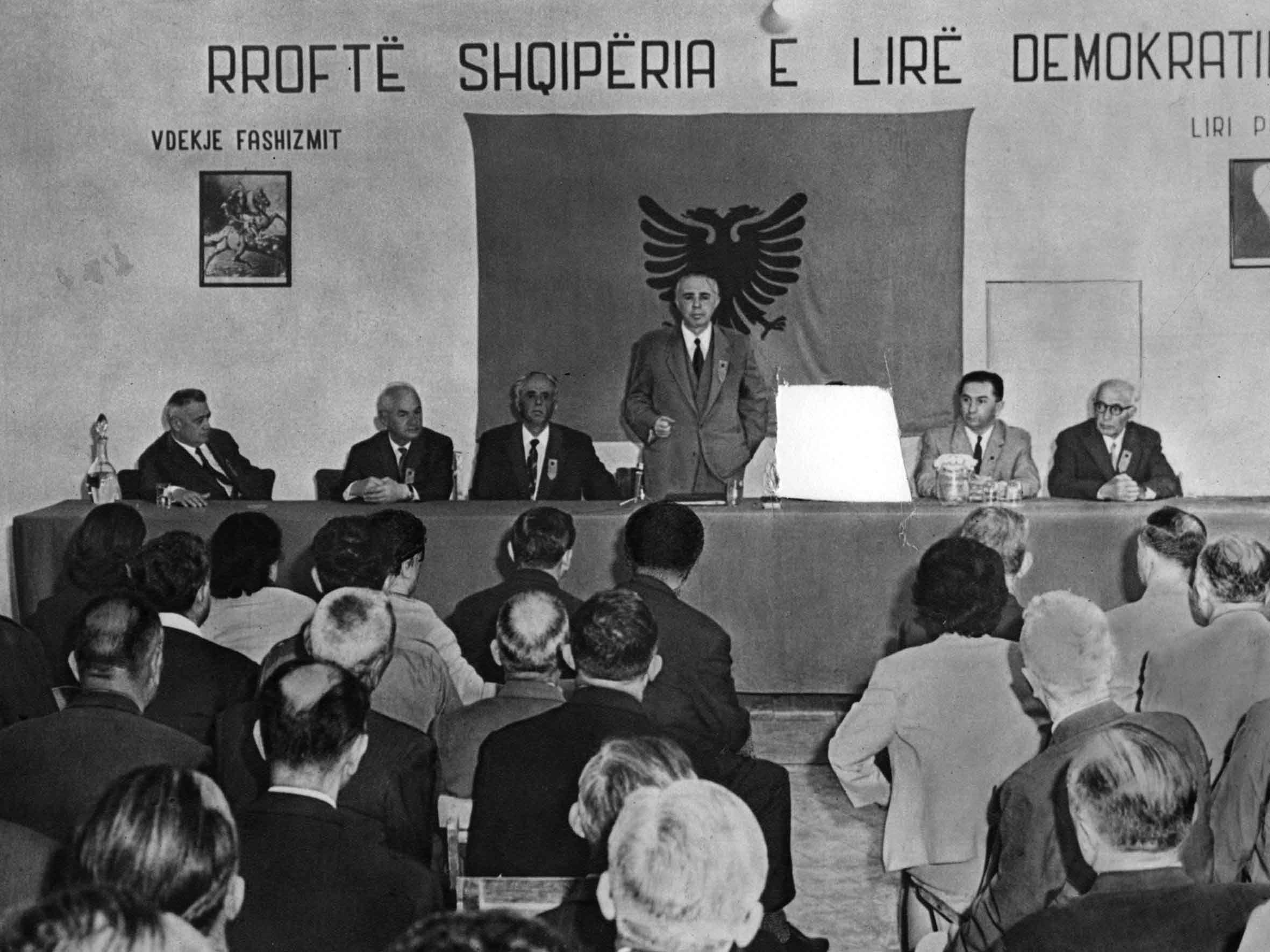
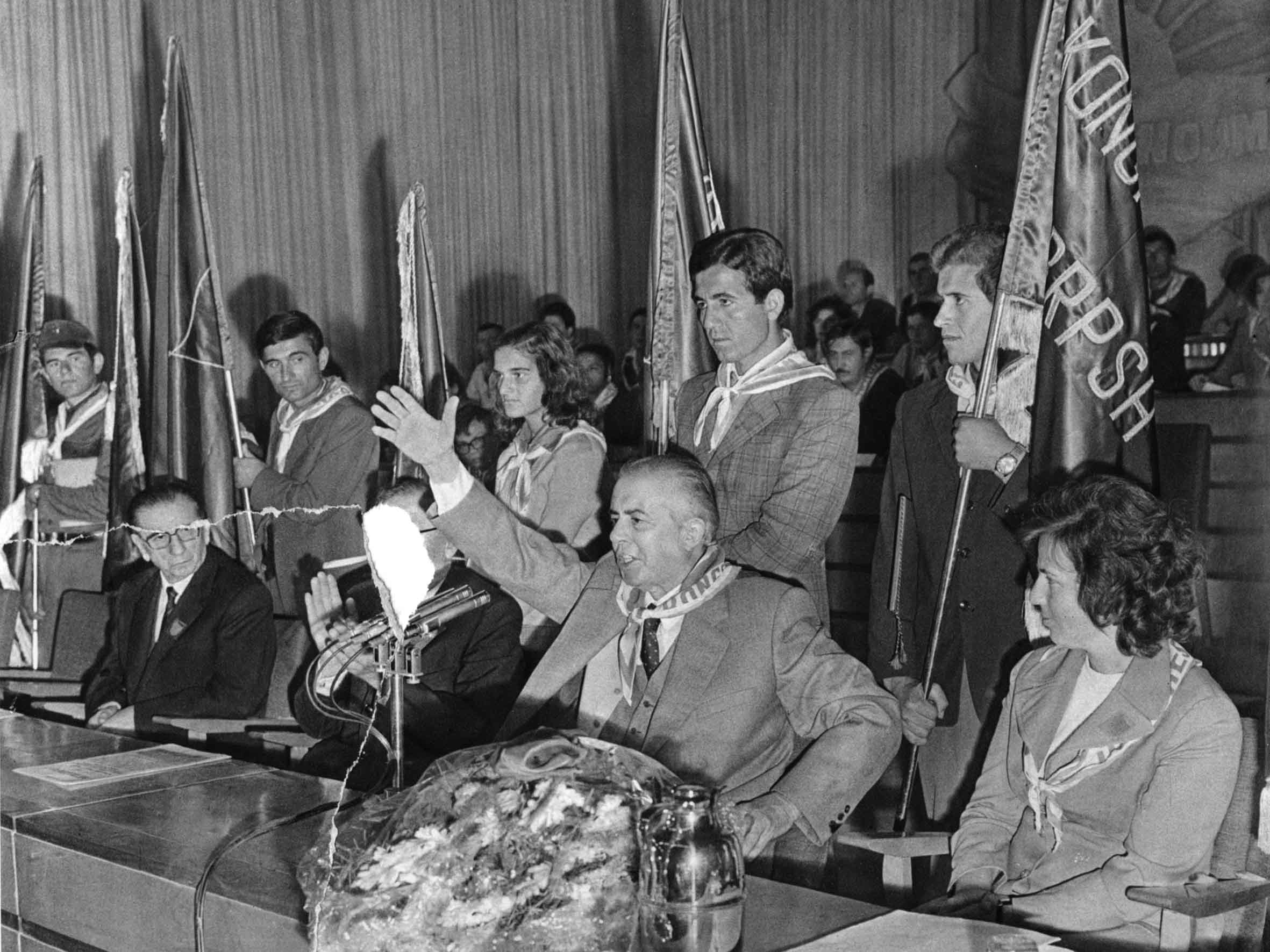
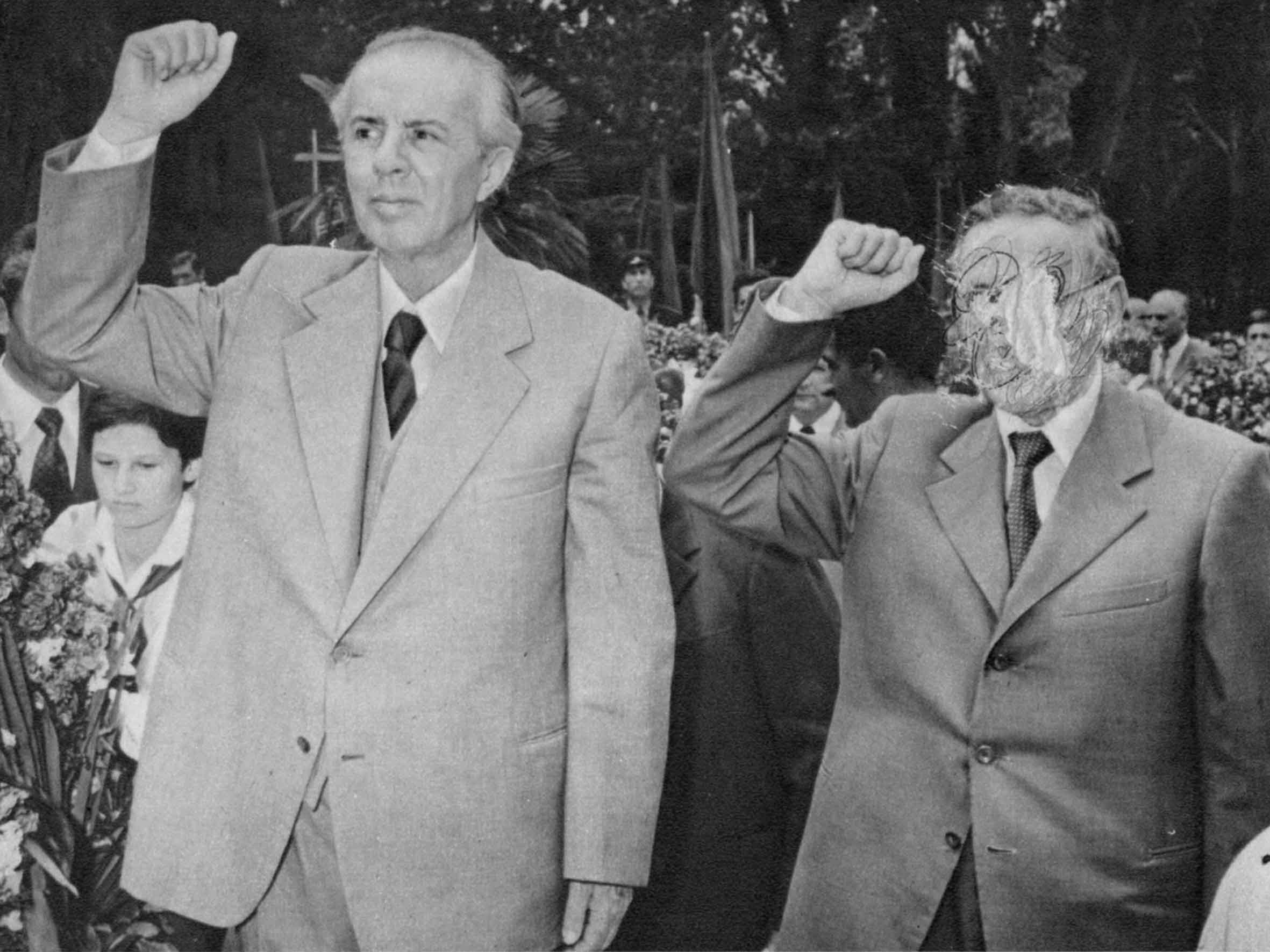
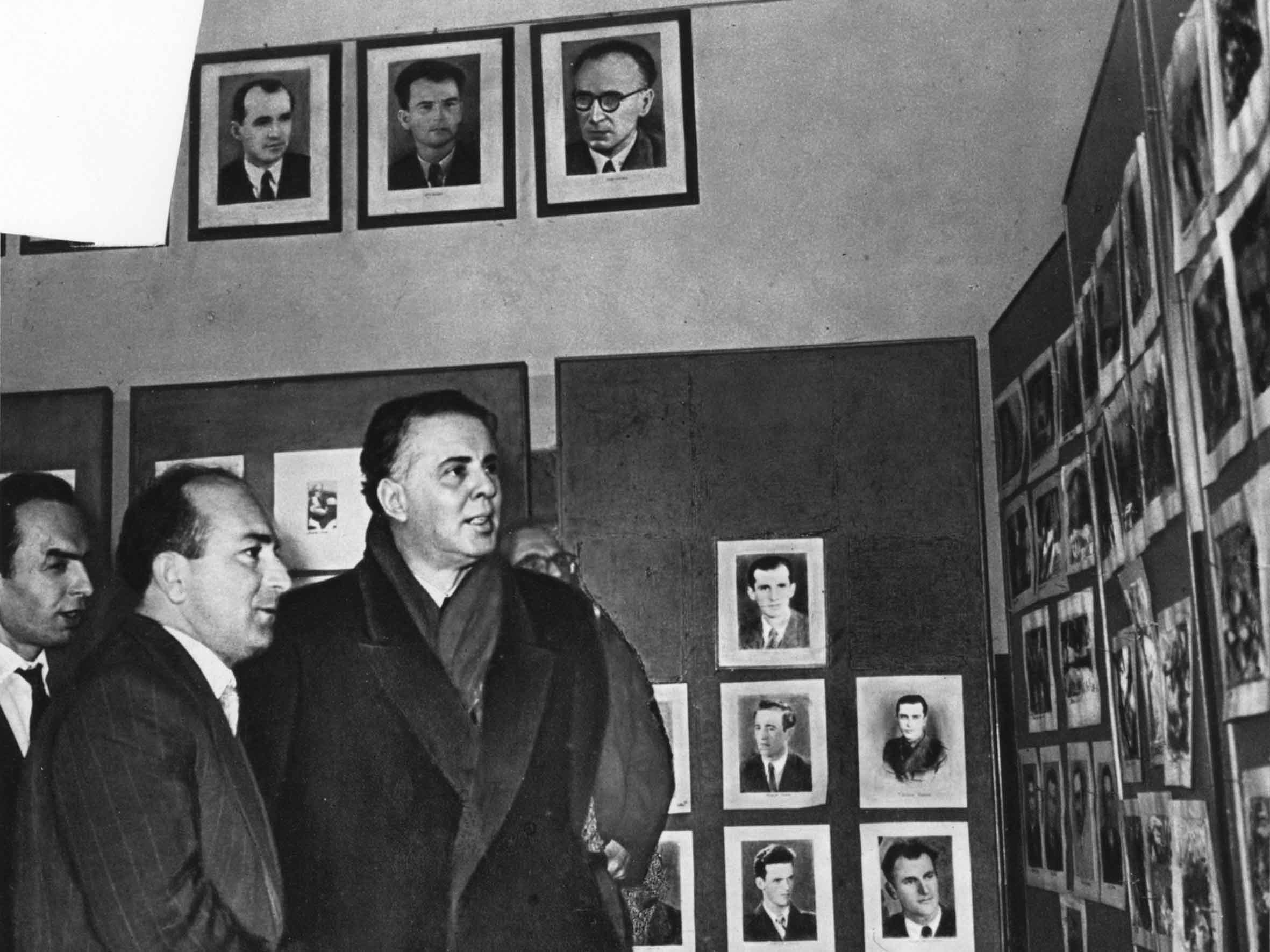
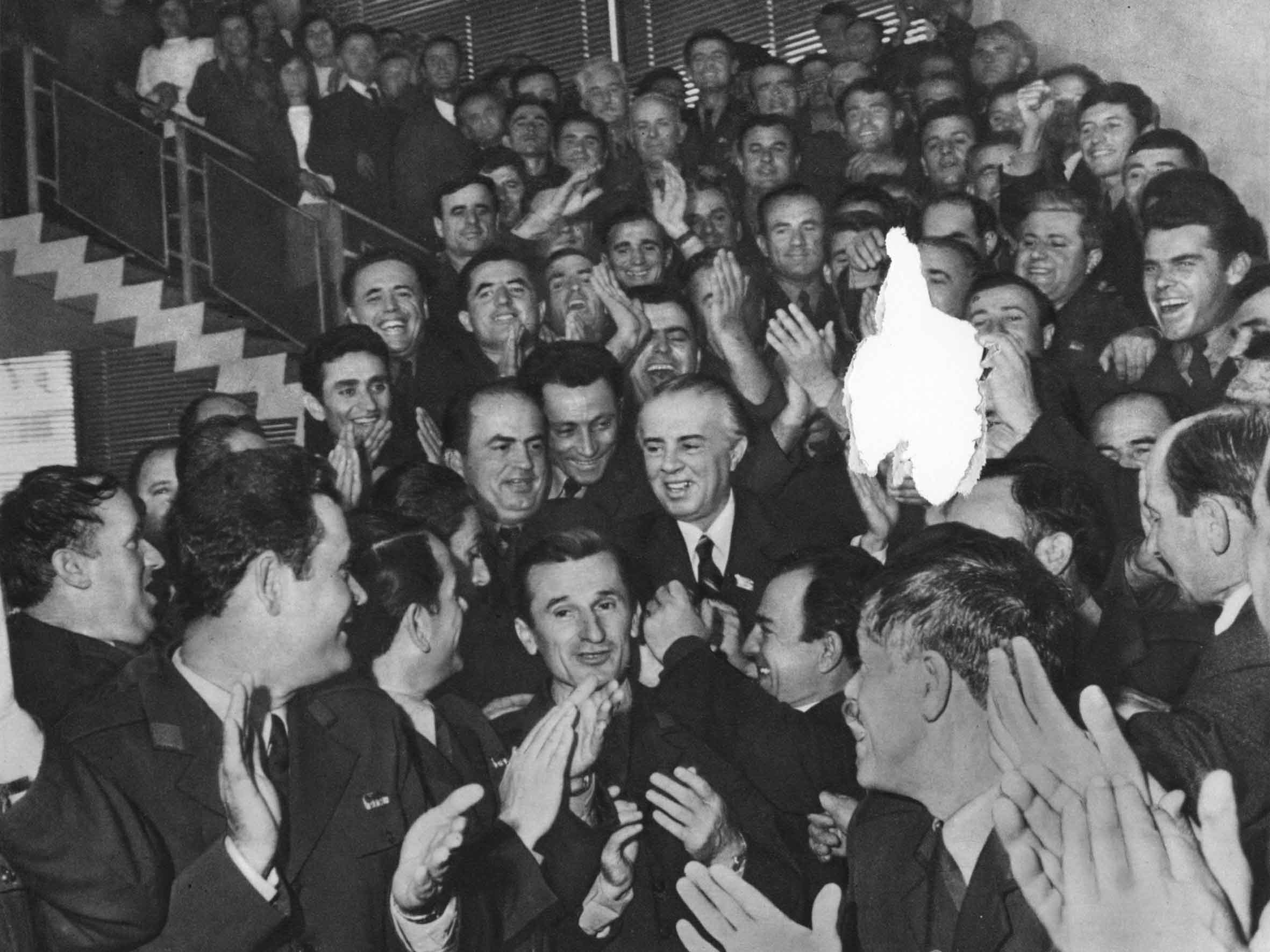
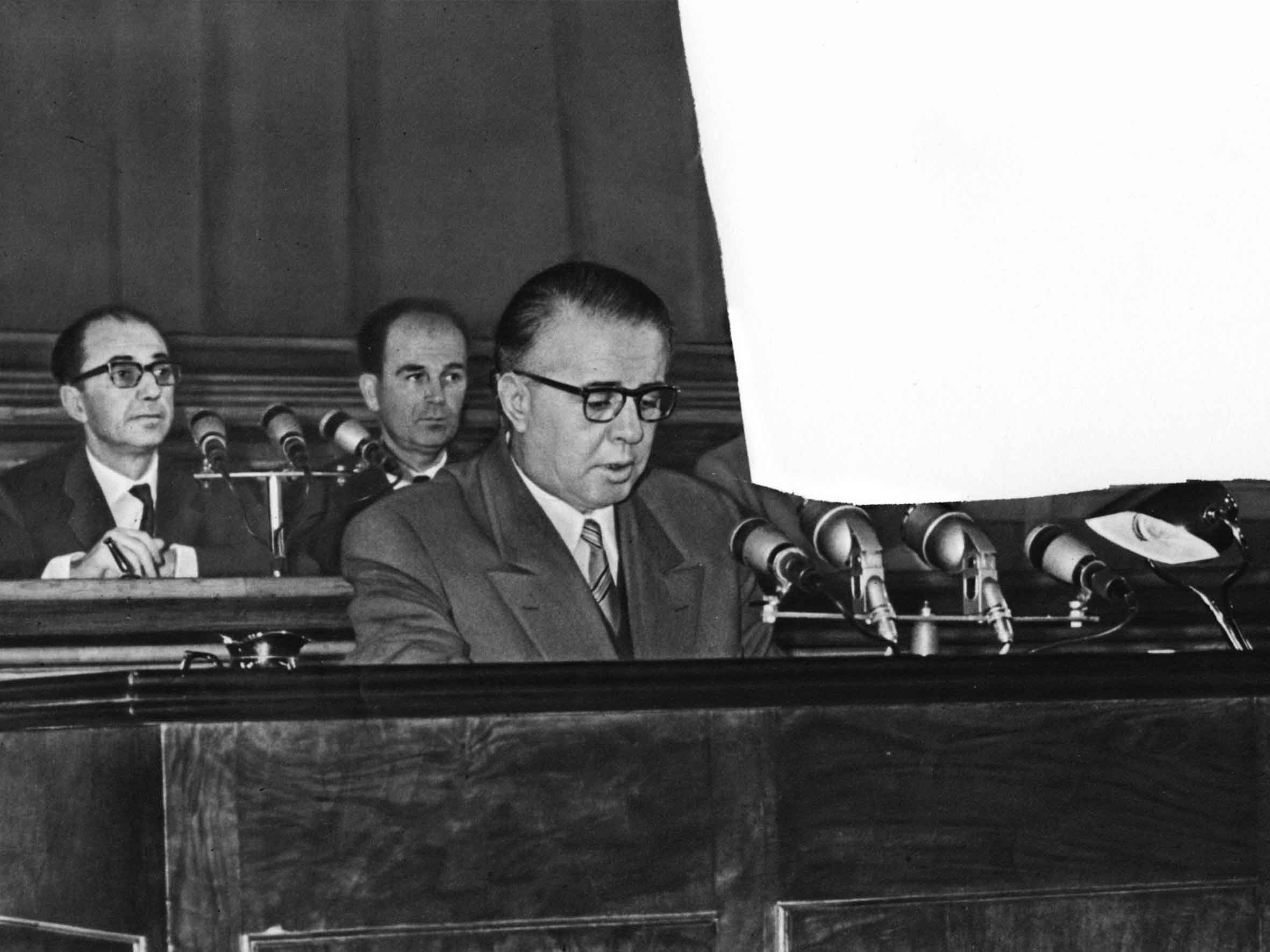
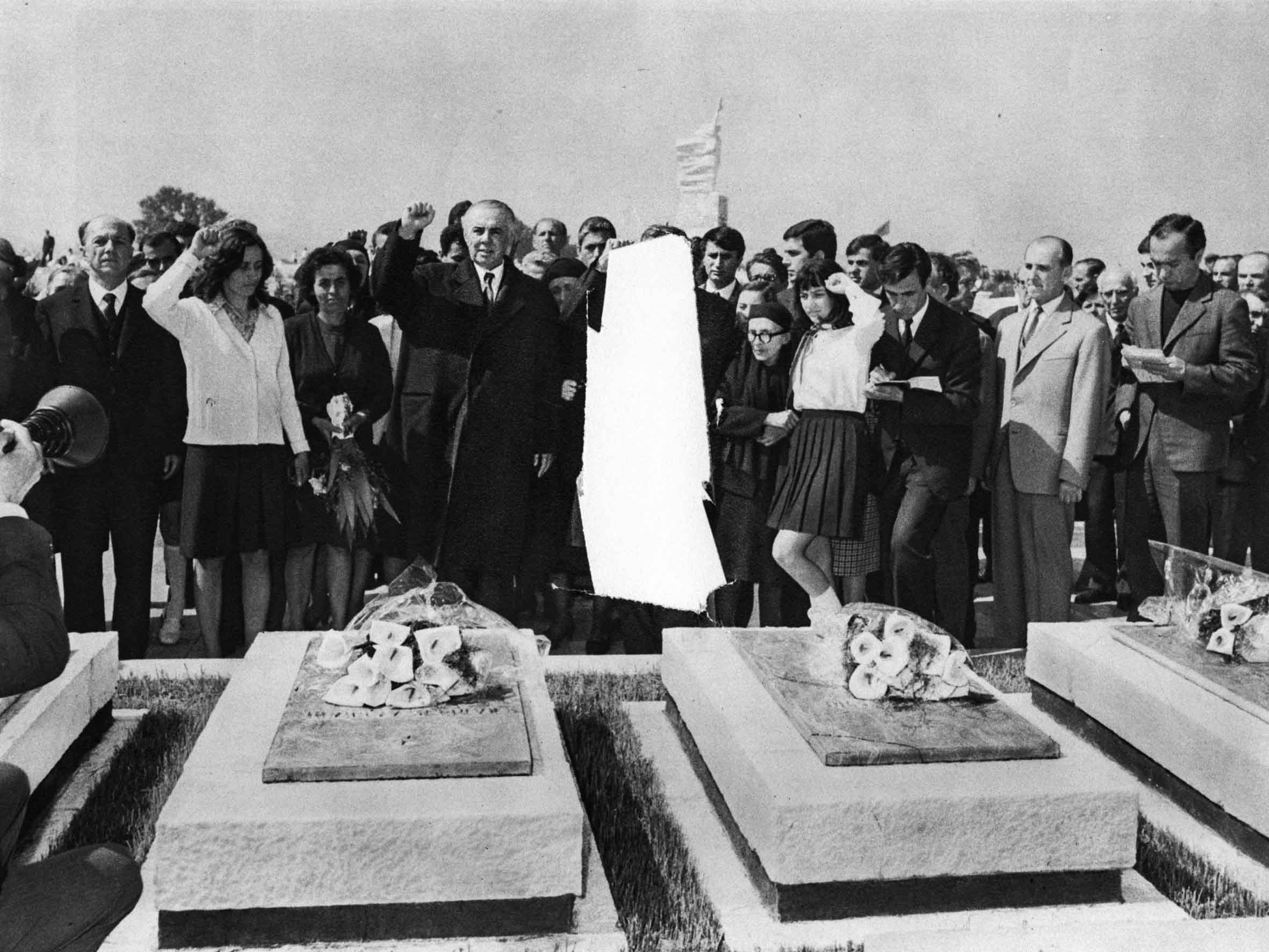
Il lavoro si articola attraverso diverse linee narrative, ognuna delle quali adotta una propria cifra visiva e mette in relazione una diversa forma di spazio con i processi di costruzione, rimozione e trasformazione della memoria. La prima linea riguarda l’archivio e la sua manipolazione e comprende alcuni dettagli tratti dai volumi della collana “Gju më gju me popullin”, pubblicata nel 1978. Si tratta di album fotografici celebrativi, destinati alla circolazione domestica e funzionali alla costruzione dell’immagine ufficiale del regime. Su alcune pagine, i volti dei funzionari successivamente epurati dal Partito sono stati cancellati manualmente dalle persone impaurite dalla possibilità di essere individuati come loro sostenitori. Nati come strumenti della propaganda e simboli di una narrazione apparentemente compatta, questi libri testimoniano oggi un processo di censura esercitato persino nello spazio privato. La cancellazione spontanea dei volti rivela quanto profondamente l’apparato ideologico fosse penetrato nella vita quotidiana. Gli stessi volumi che dovevano rendere eterno il potere si sono così trasformati in registri visivi della sua erosione.
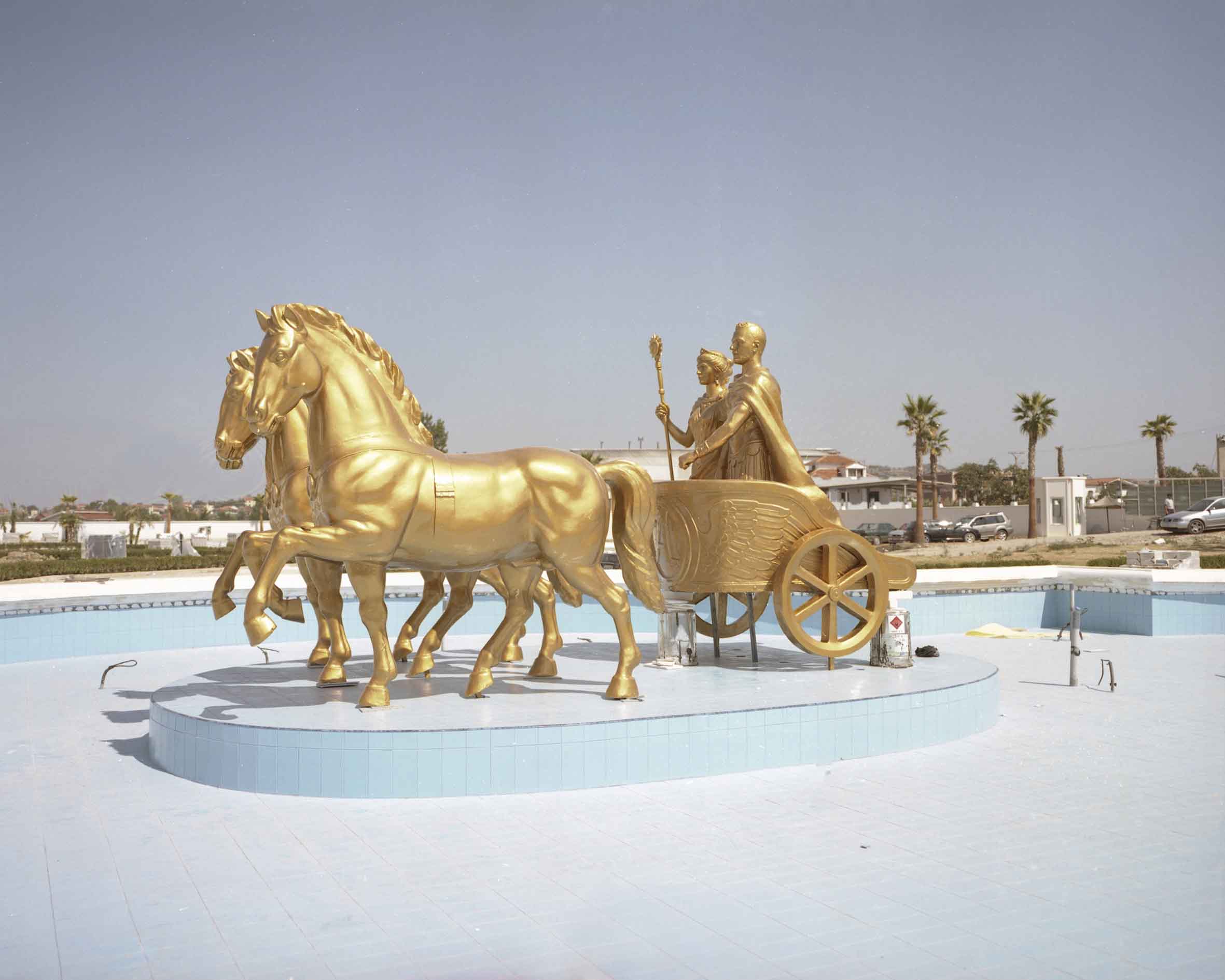
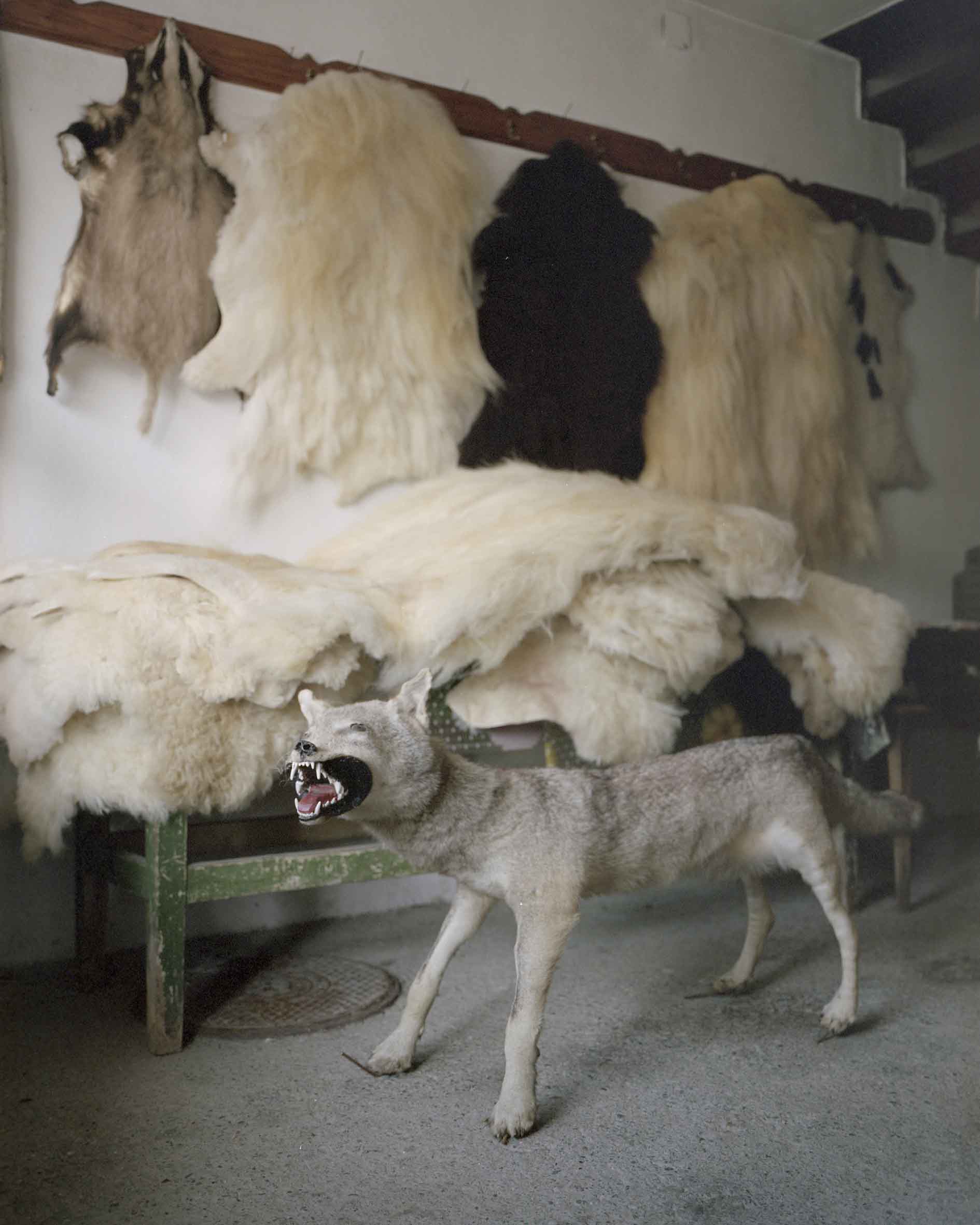
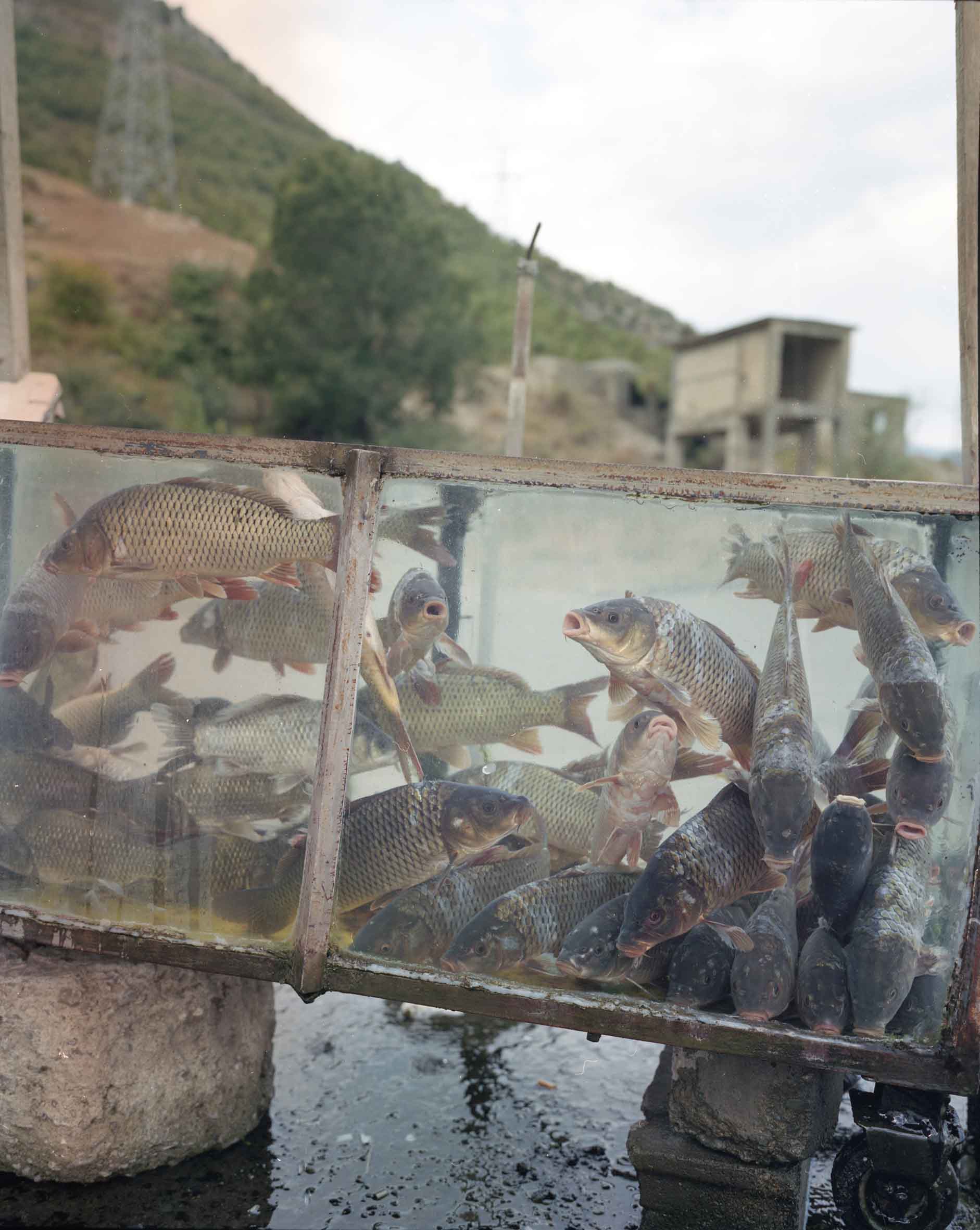
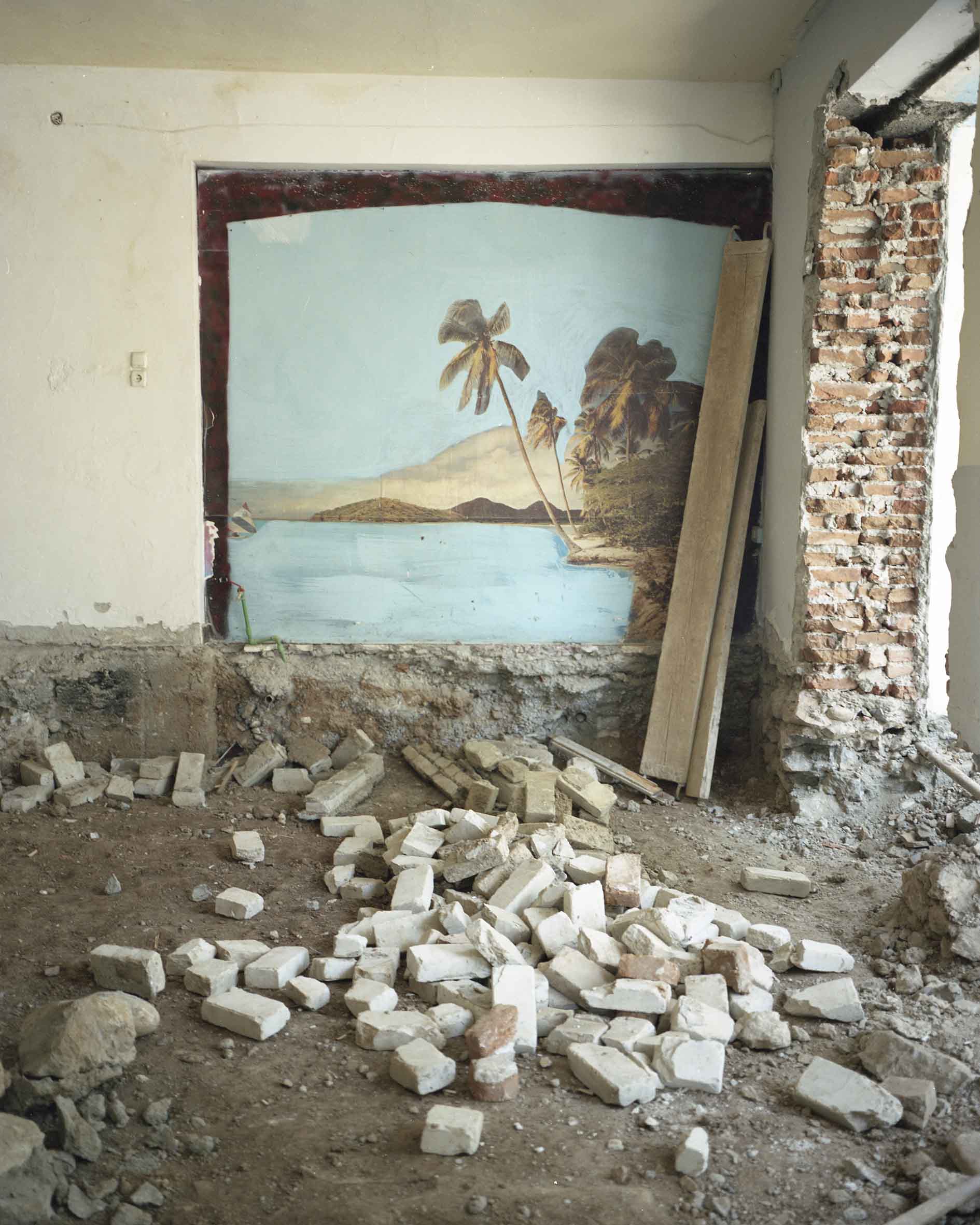
Una seconda linea narrativa è costituita dalle fotografie che rappresentano l’immaginario dell’odierna Albania. Qui le immagini non descrivono il territorio in maniera univoca, ma costruiscono uno spazio sospeso, attraversato da indizi e figure capaci di generare interpretazioni molteplici. Il Paese appare come un luogo continuamente riscrivibile e, proprio per questo, disponibile ad essere occupato, trasformato o utilizzato da chiunque voglia proiettarvi i propri interessi.
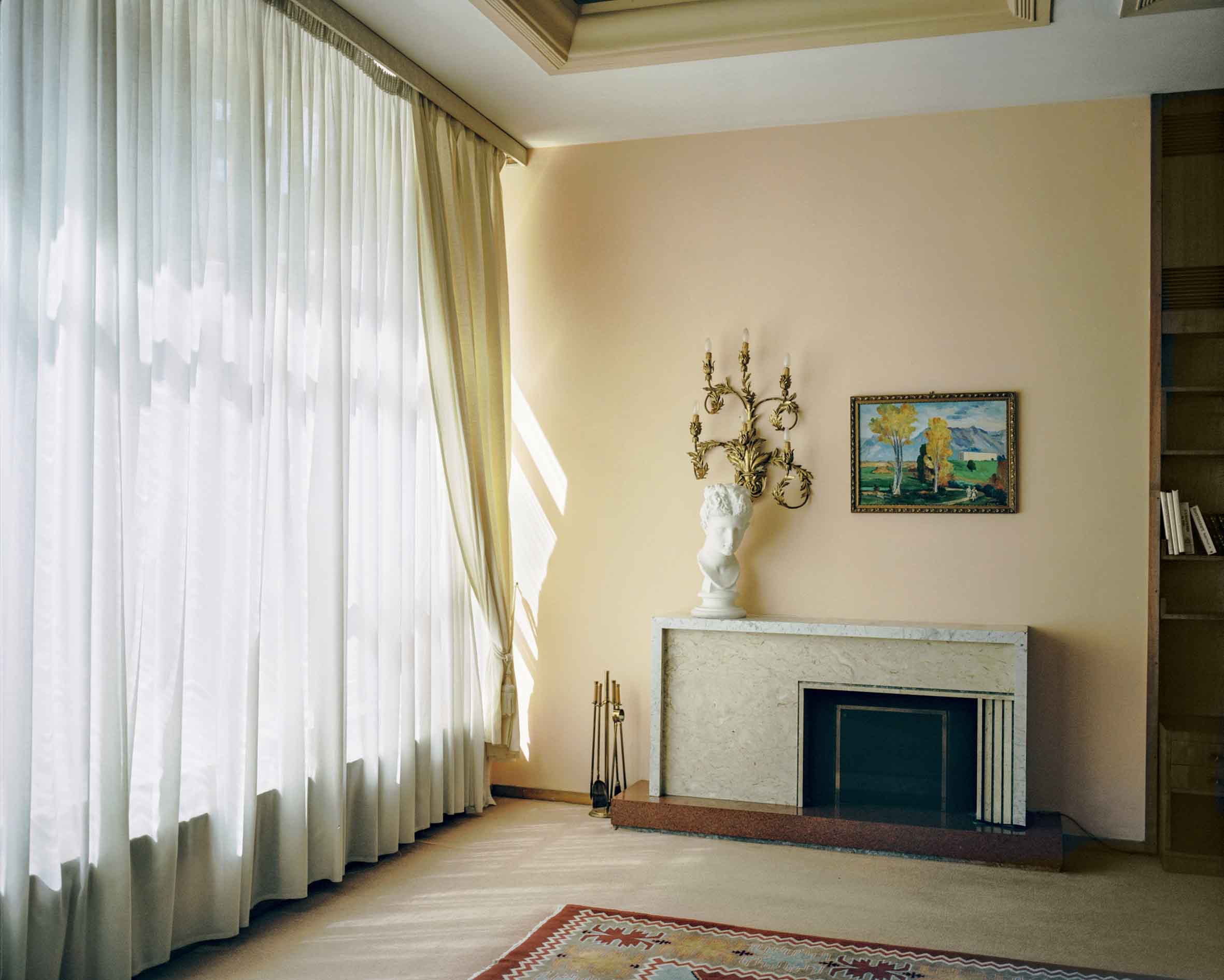
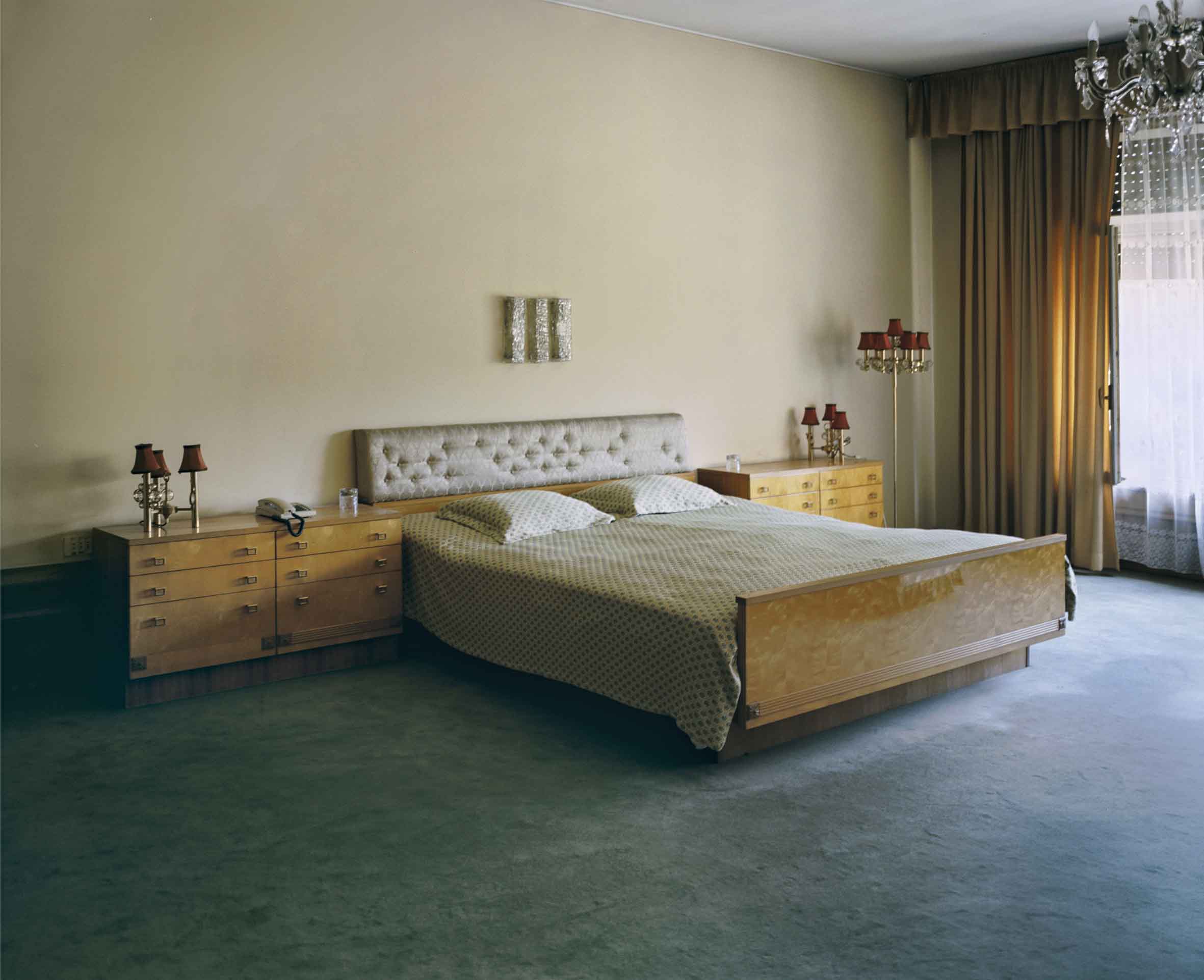
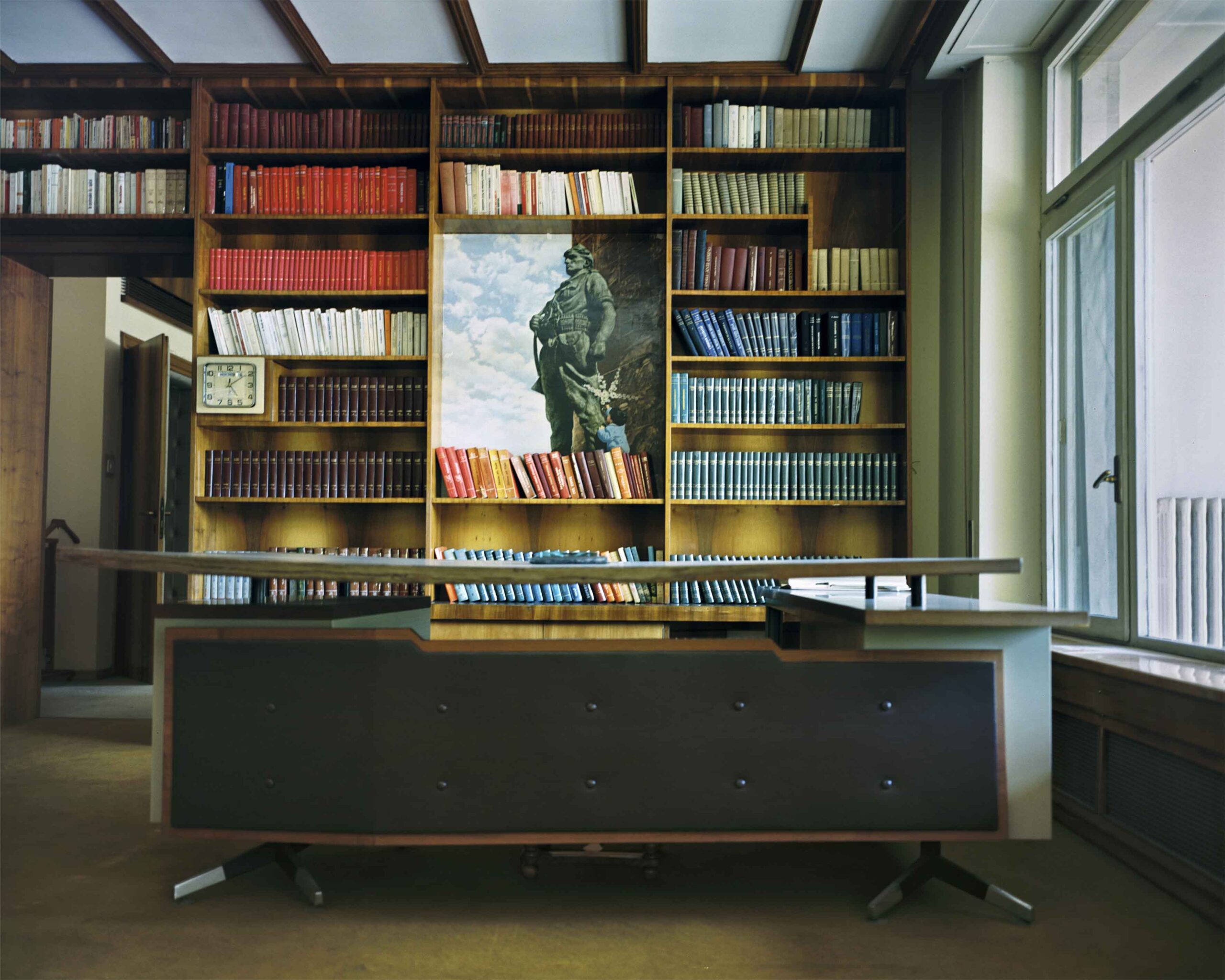
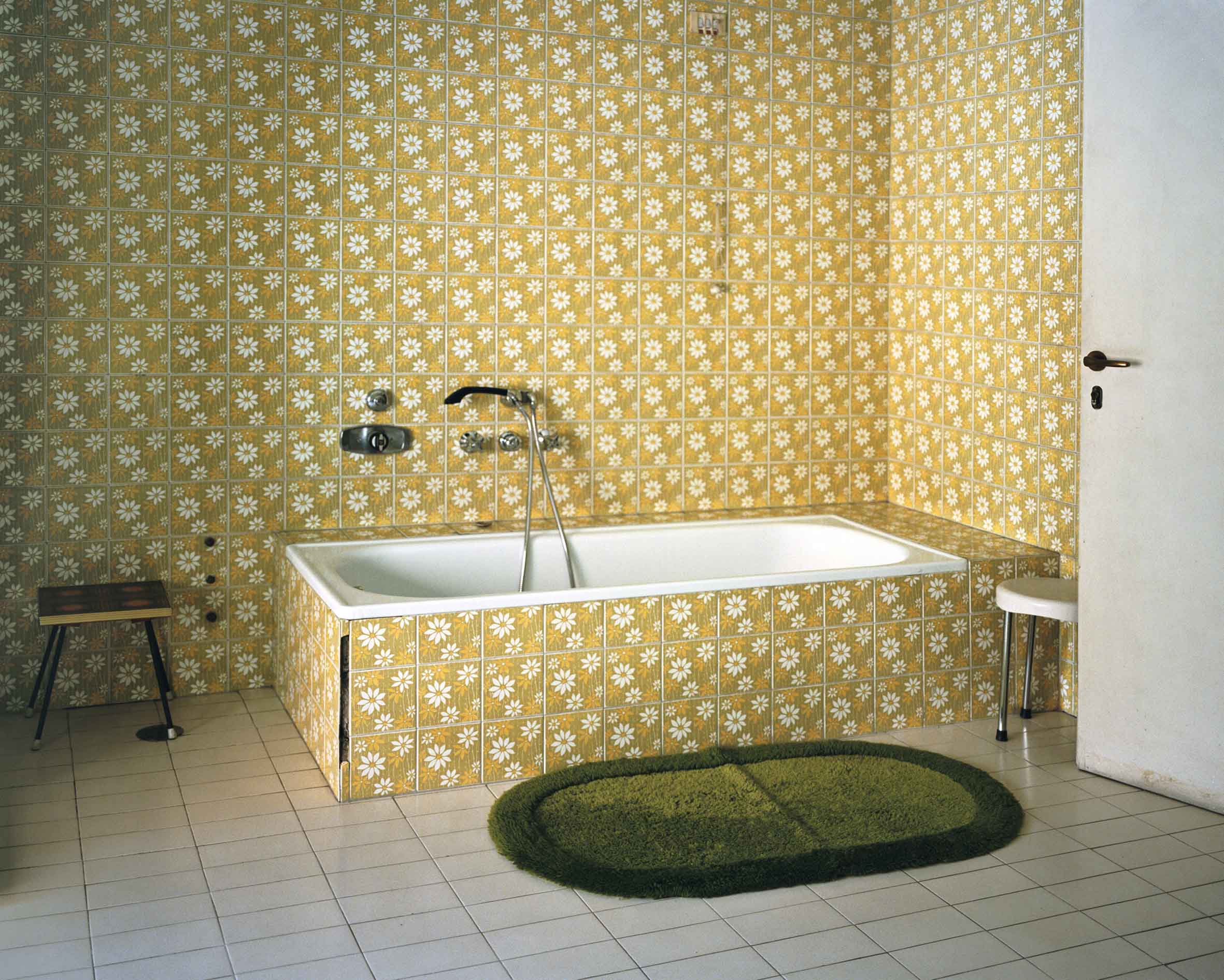
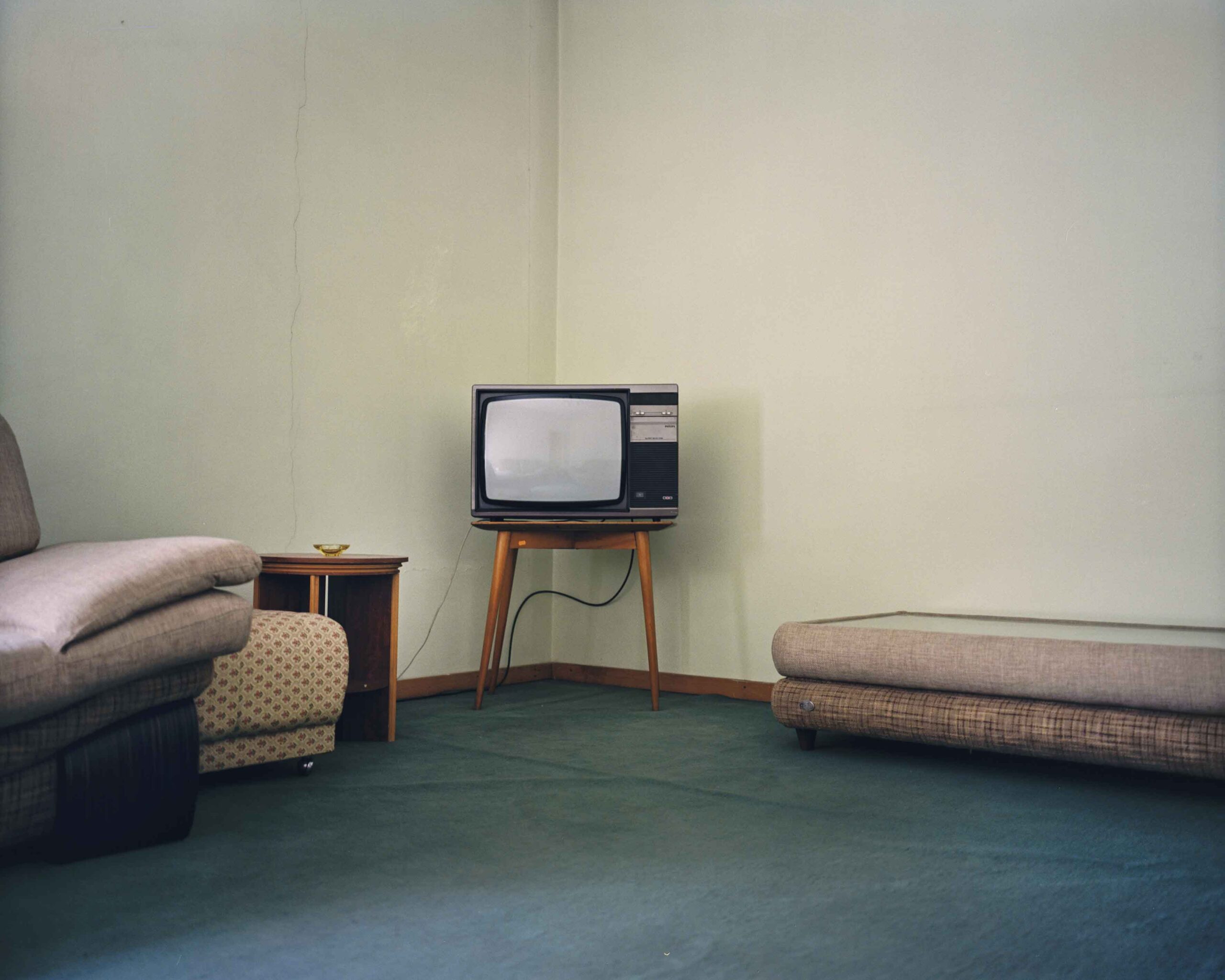
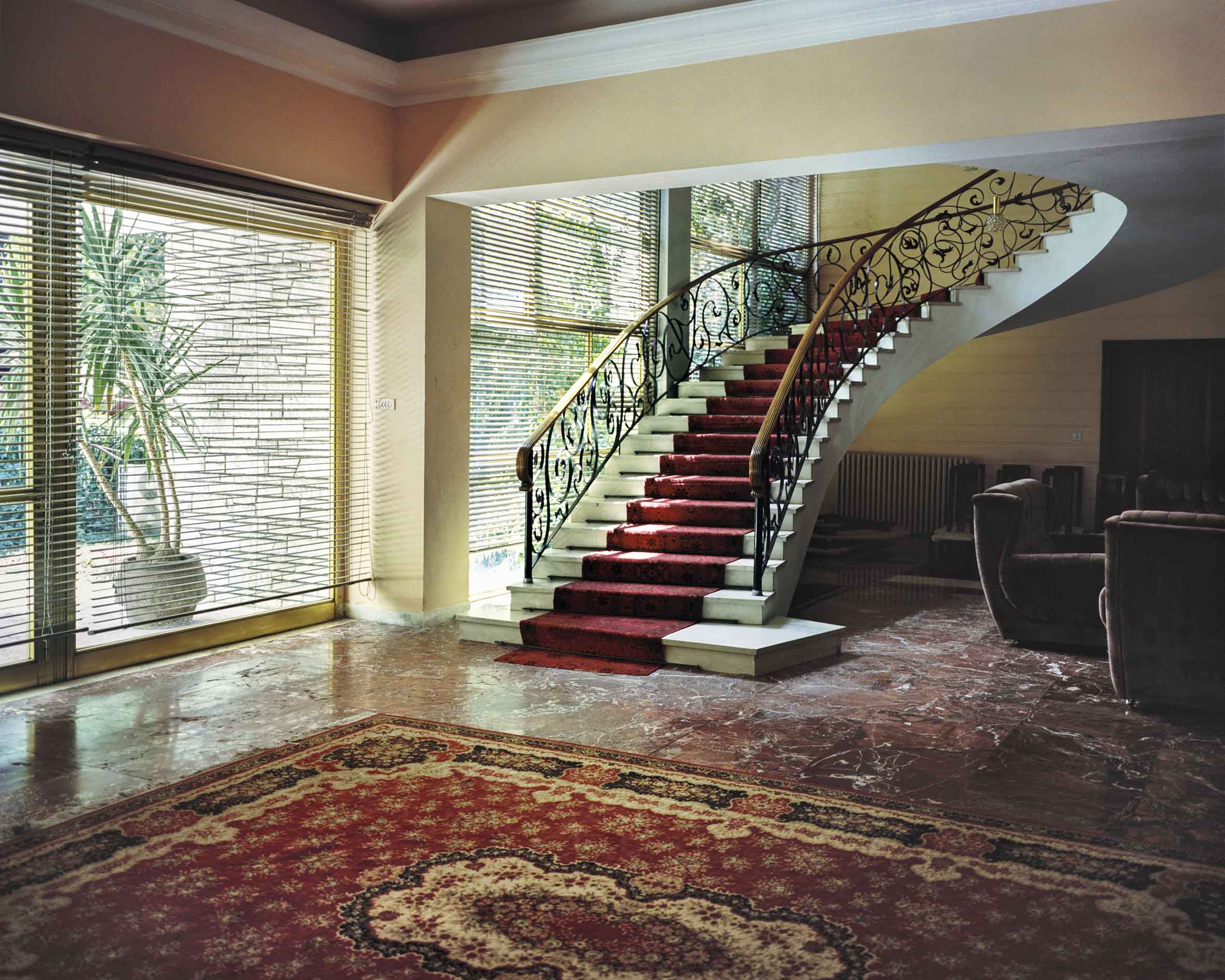
Parallelamente all’indagine sulle dinamiche nascoste, avviene un ingresso fisico nei luoghi privati di chi un tempo deteneva quel potere: gli interni della casa privata del dittatore Enver Hoxa, apparentemente vuoti, ma ancora oggi utilizzati per incontri istituzionali riservati ed esclusivi. AAFR si muove come un contro- archivio all’interno di un territorio in cui le immagini non sono mai innocenti; queste rappresentano un invito a riconoscere il lavoro invisibile dell’apparato e a osservare le assenze con la stessa intensità delle presenze, in un’immagine come in un archivio censurato.
Post-dictatorial Albania presents the paradox of a landscape that, having emerged from one of the most isolationist and authoritarian regimes of the twentieth century, now finds itself at the center of a different kind of siege: one driven by speculative accumulation, the erasure of memory, and the reinvention of territory according to the logic of capital. This project inhabits the space between what is visible and what has been deliberately removed, investigating the relationship between power, memory, and the transformation of space.
The work unfolds through several narrative strands, each adopting its own visual language while examining a different form of space in relation to the processes of constructing, erasing, and reshaping memory. The first strand focuses on the archive and its manipulation, featuring details drawn from the Gju më gju me popullin (“Knee to Knee with the People”) series, published in 1978. These commemorative photo albums were intended for domestic circulation and served to reinforce the regime’s official image. In some copies, however, the faces of officials who were later purged by the Party were manually erased by owners who feared being identified as their supporters. Originally conceived as instruments of propaganda and symbols of a seemingly coherent political narrative, these books now testify to a process of censorship that extended even into the private sphere. The spontaneous erasure of these faces reveals the extent to which the ideological apparatus had permeated everyday life. The very volumes designed to immortalize power have thus become visual records of its gradual erosion.
A second narrative strand consists of photographs depicting the imaginary of contemporary Albania. Rather than offering a definitive representation of the territory, these images construct an ambiguous and suspended space, marked by traces and figures that invite multiple interpretations. The country emerges as a place in constant rewriting and, precisely because of this, as a territory open to occupation, transformation, and appropriation by those seeking to project their own interests onto it.
Alongside this investigation into hidden mechanisms of power, the project enters the private spaces once occupied by those who held that power: the interiors of dictator Enver Hoxha’s private residence. Though seemingly empty, these rooms are still used today for discreet and exclusive institutional meetings. AAFR operates as a counter-archive within a territory where images are never innocent. Rather than offering definitive answers, it invites viewers to recognize the invisible work of the apparatus and to observe absences with the same intensity as presences—both within the image itself and within the censored archive.
Questa scritta – sgrammaticata, ibrida, in un latino deformato – rinvenuta su un muro interno di un ospedale psichiatrico dove ho lavorato come volontaria negli anni ̓90, non è un mero errore. È una frattura, un segno concreto di una lingua spezzata che non serve a comunicare ma a rivelare un fallimento: il fallimento del linguaggio. Parlatori Politicus smaschera un linguaggio pubblico che non comunica, non comprende, non ascolta: una satira estrema di chi riempie lo spazio del mondo con parole che non costruiscono, non accolgono, non curano; il latino deformato evoca lingue “alte” della Chiesa, del diritto e della medicina ma qui, prive di senso, diventano lingue di chi parla “per mestiere” e parla per non dire. Parole che navigano senza senso in un mondo che confonde ruoli e non distingue più tra devianza e differenza. L’assenza di una lingua condivisa, ma soprattutto di un autentico tentativo di ascolto, ci condanna a una solitudine muta. La follia oggi risiede nei dialoghi interrotti e nelle parole che fingono di includere e invece escludono. È una follia sociale che si finge normalità. La voce del paziente recluso nel manicomio percepisce la parola “politica” e la intende nel senso peggiore: spettacolare, ambigua, manipolatrice. Questa incisione oggi titola il mio lavoro e testimonia con forza una comunicazione fallita, ridotta a parata e messinscena. Ho raccolto tracce di una storia vera, svoltasi all’interno di un’istituzione, che resta ancora oggi irrisolta. Le cards riprodotte in questo libro sono fatte a mano e contengono simboli, embrioni delle attuali flash cards utilizzate per la comunicazione aumentati-va alternativa. Sono reperti originali appartenuti a un medico che, all’epoca, le usava per cercare un contatto quando le parole non bastavano più a comunicare con i pazienti. Questi reperti si intrecciano agli estratti delle anamnesi di questo emblematico paziente e alle domande poste durante la sua valutazione. Le stanze imbottite ancora conservano, nel silenzio ovattato delle loro pareti, le tracce di chi ha provato a parlare e non è stato capito. Mi chiedo oggi, qui, fuori dal manicomio, chi parli davvero e soprattutto chi ci sia ad ascoltare.
This inscription – ungrammatical, hybrid, in a deformed Latin – found on an interior wall of a psychiatric hospital where I volunteered in the 1990s, is not a mere mistake. It is a fracture, a concrete sign of a broken language that serves not to communicate but to reveal a failure: the failure of language. Parlatori Politicus unmasks a public language that does not communicate, does not understand, does not listen: an extreme satire of those who fill the world’s space with words that neither build, wel-come, nor heal. The distorted Latin evokes “high” languages of the Church, of law and of medicine, yet now stripped of any meaning they become the languages of those who speak “by trade” and speak to say nothing. Words that drift aimlessly in a world that confuses roles and no longer distinguishes between deviance and difference. The absence of a shared language, but above all of an authentic attempt to listen, condemns us to silent solitude. Madness today lies in broken dialogues and in words that pretend to include but instead exclude. It is a social madness masquerading as normality. The voice of the patient confined in the asylum perceives the word “politics” and understands it in its worst sense: spectacular, ambiguous, manipulative. This inscription now titles my work and becomes the symbol of failed communication reduced to a parade and a performance. In this work I collected traces of a true story, set within an institution, that remains unresolved to this day. The cards reproduced in this book are handmade and bear symbols-embryos of the current flashcards used for augmentative and alternative communica-tion. They are original artifacts that belonged to a doctor who, at the time, used them to seek contact when words were no longer enough to communicate with patients. These artifacts are intertwined with extracts from the medical history of this emblematic patient and the questions asked during his evaluation. The padded rooms still preserve, in the muffled silence of their walls, the traces of those who tried to speak and were not understood. Today I wonder, here outside the asylum, who is really speaking and, above all, who is there to listen.