
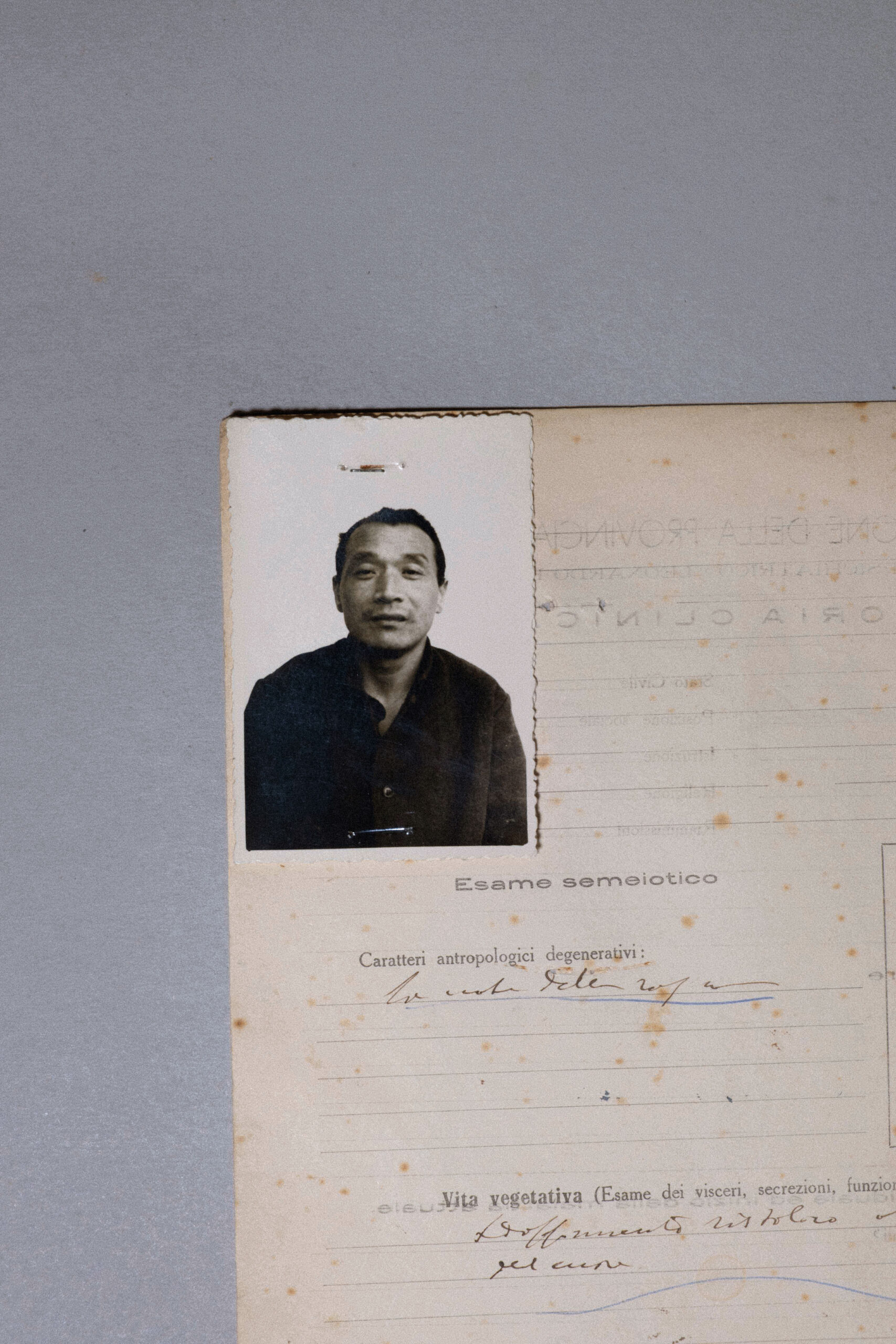
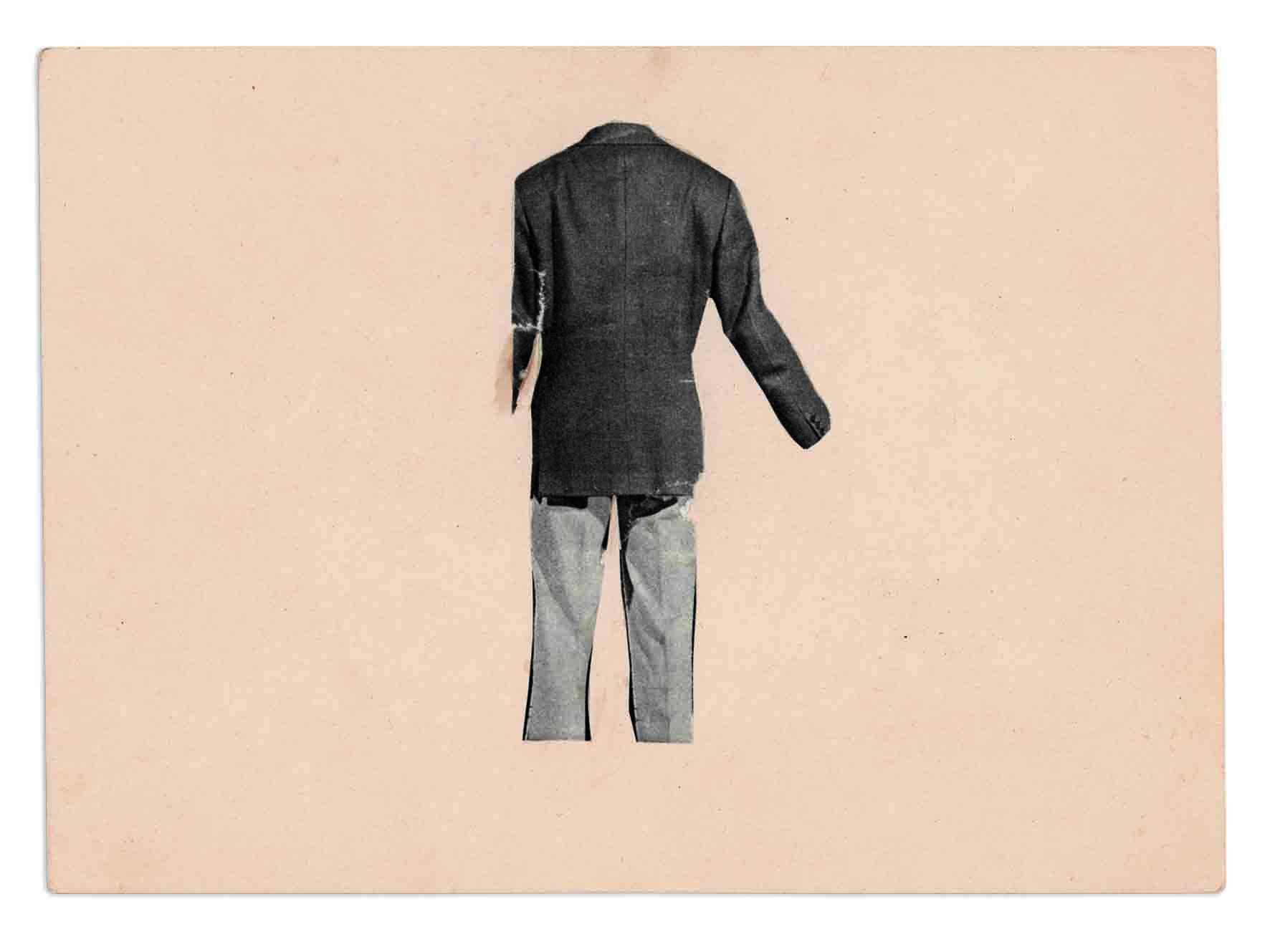
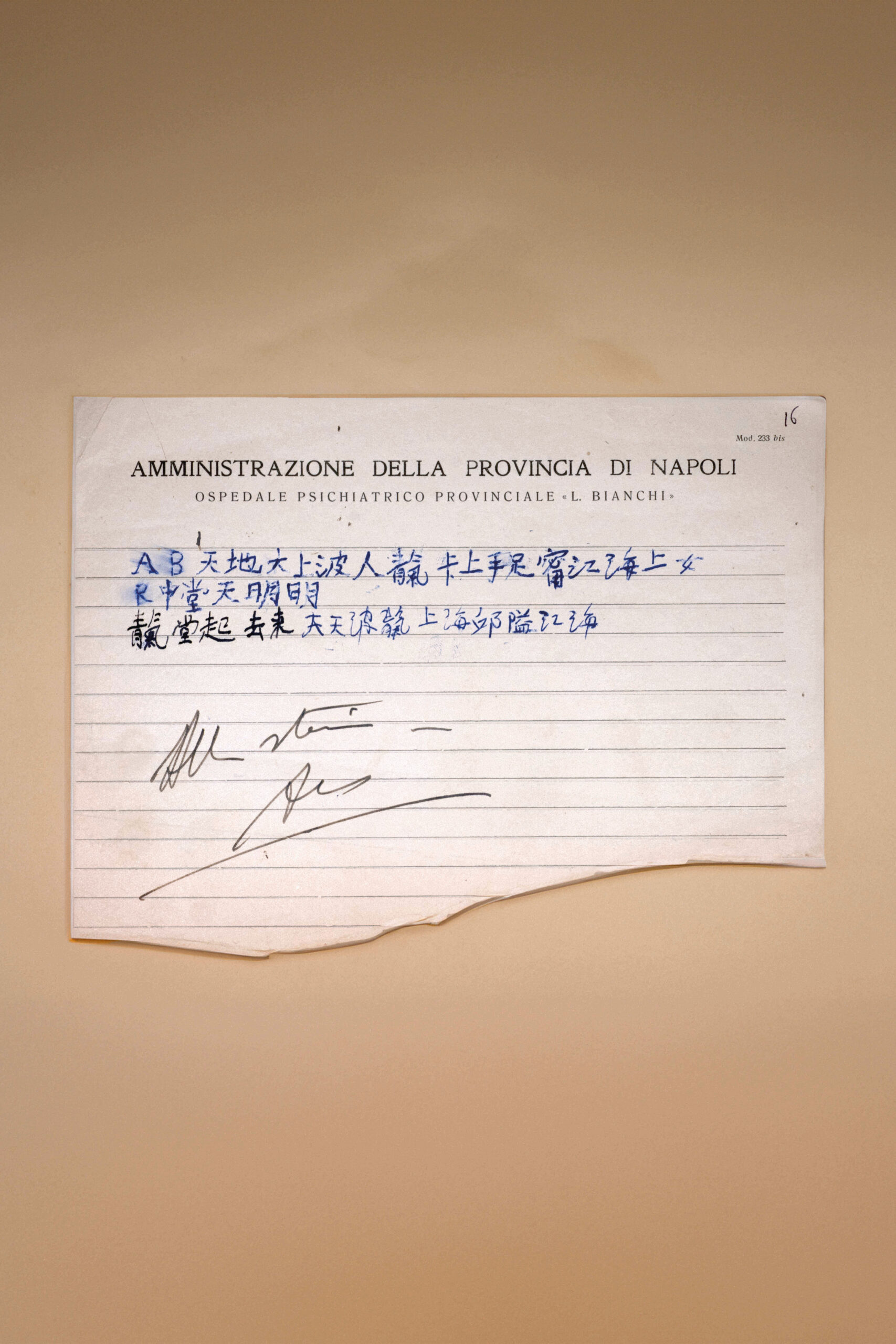


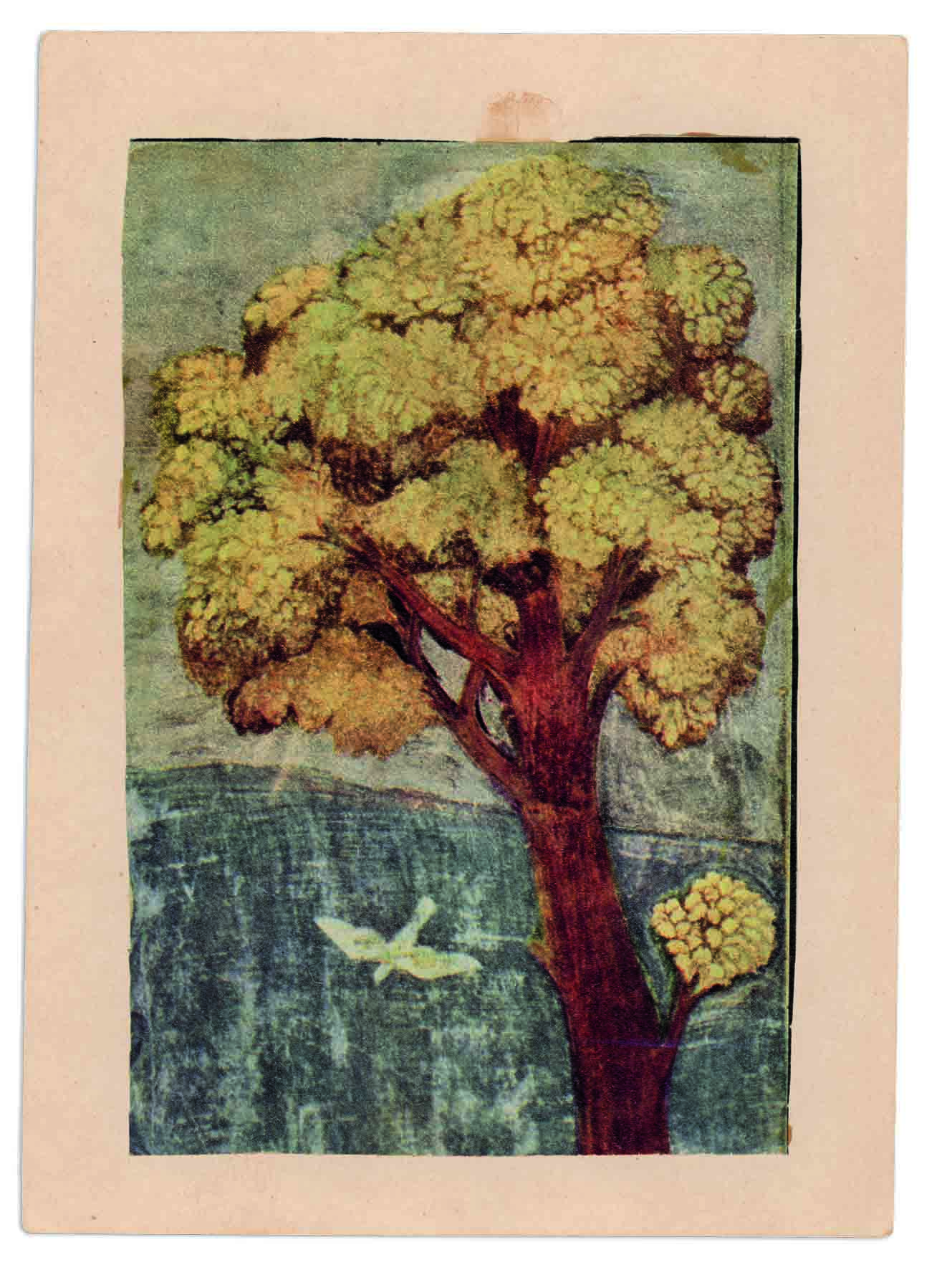

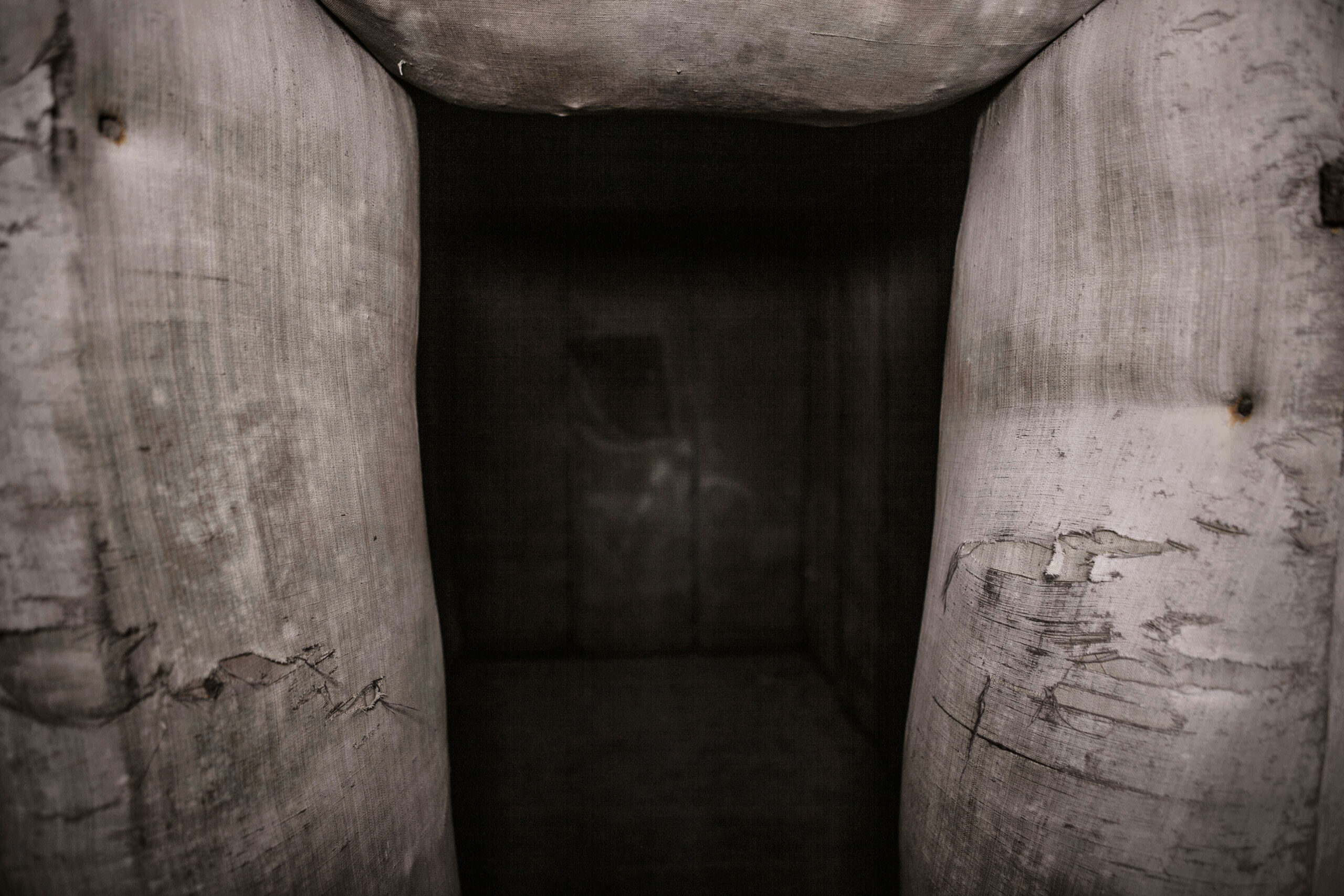
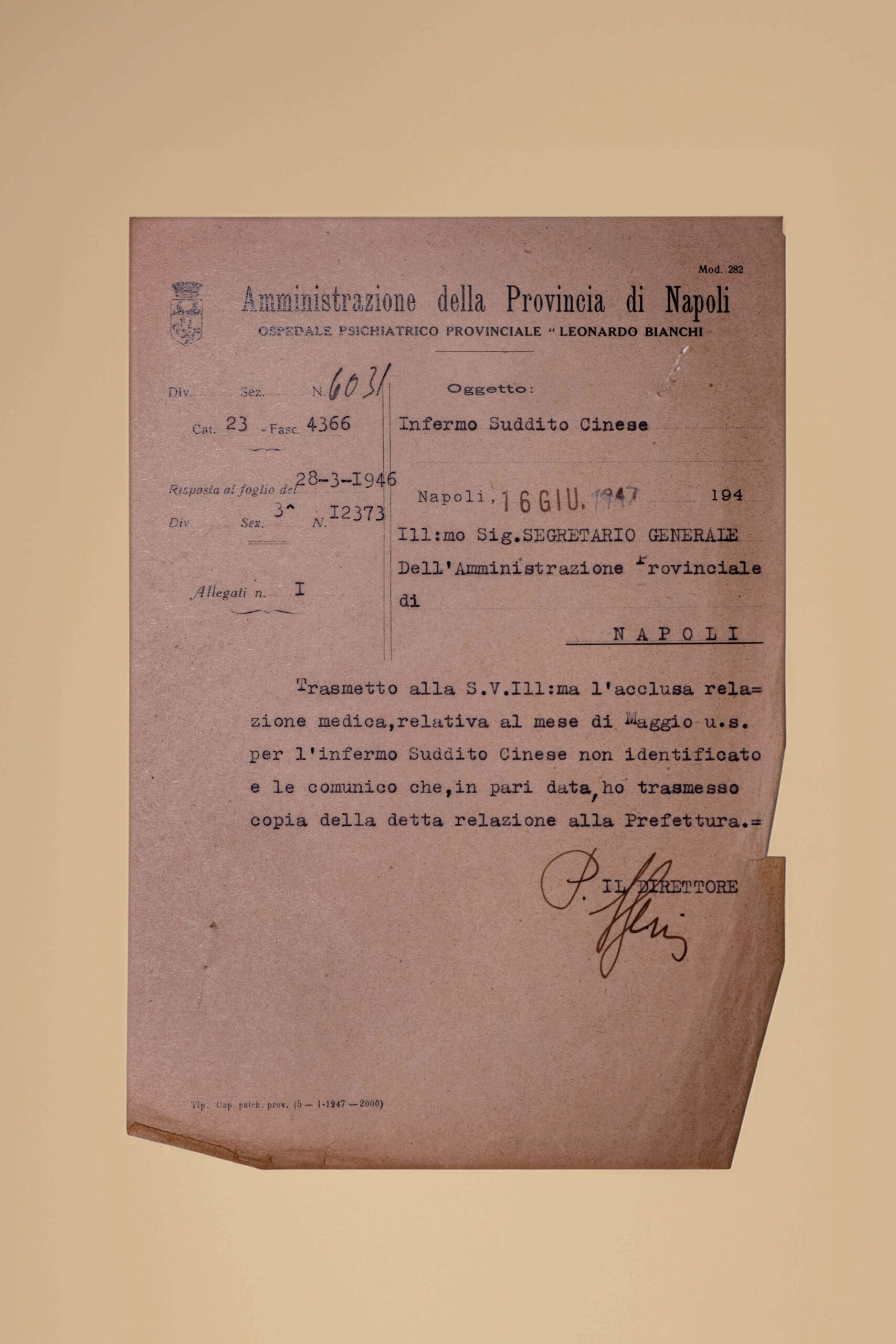

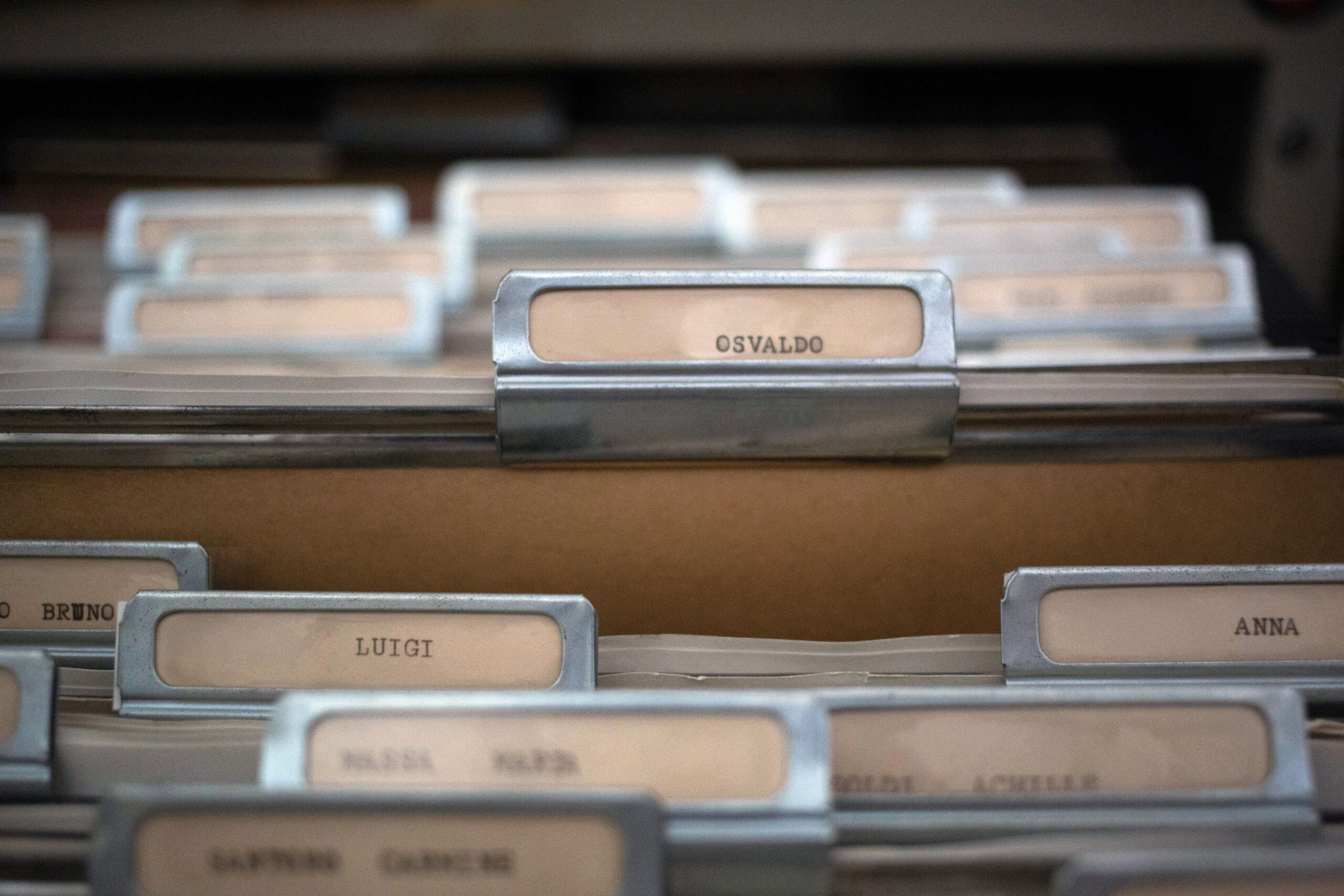

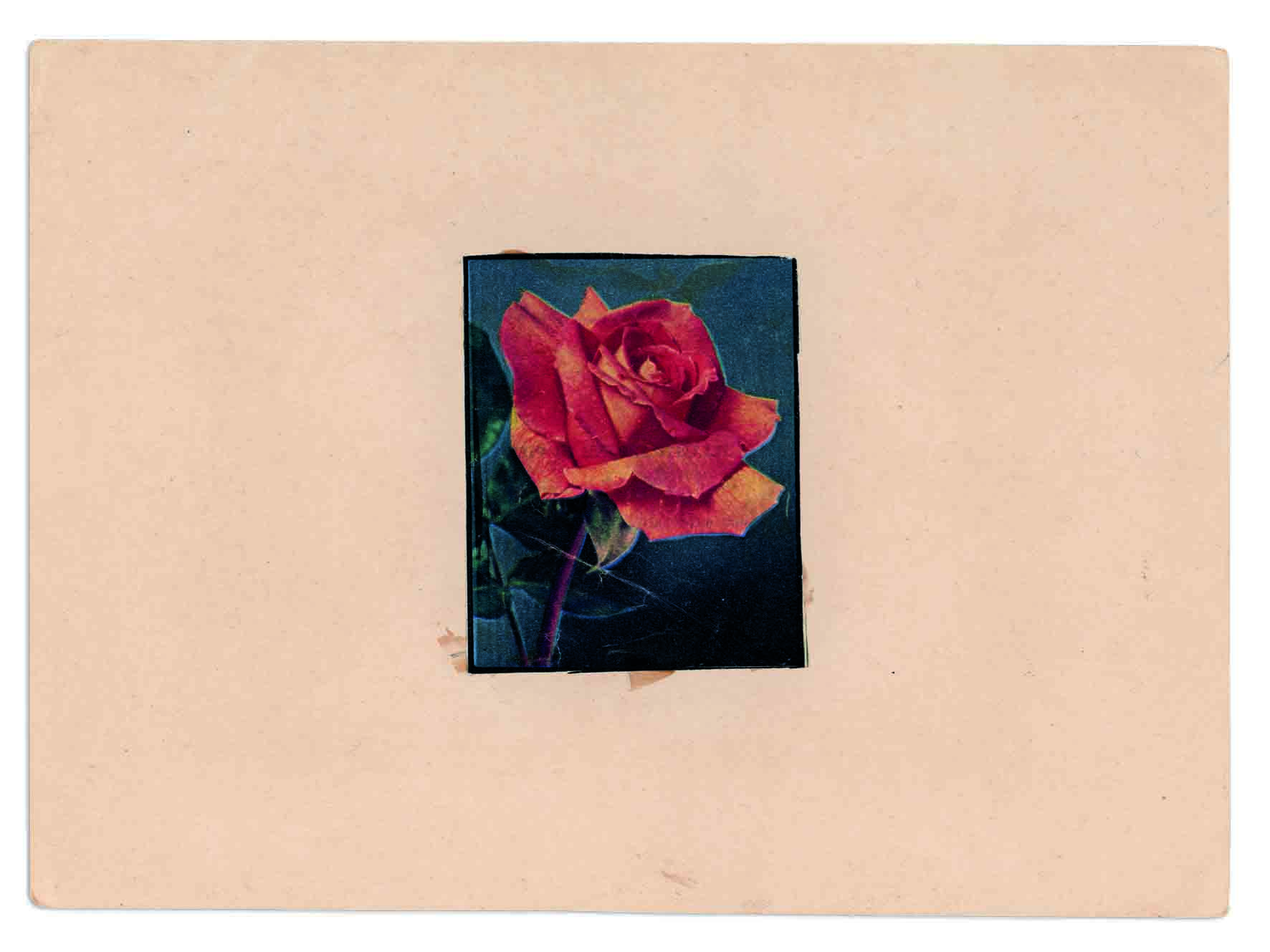
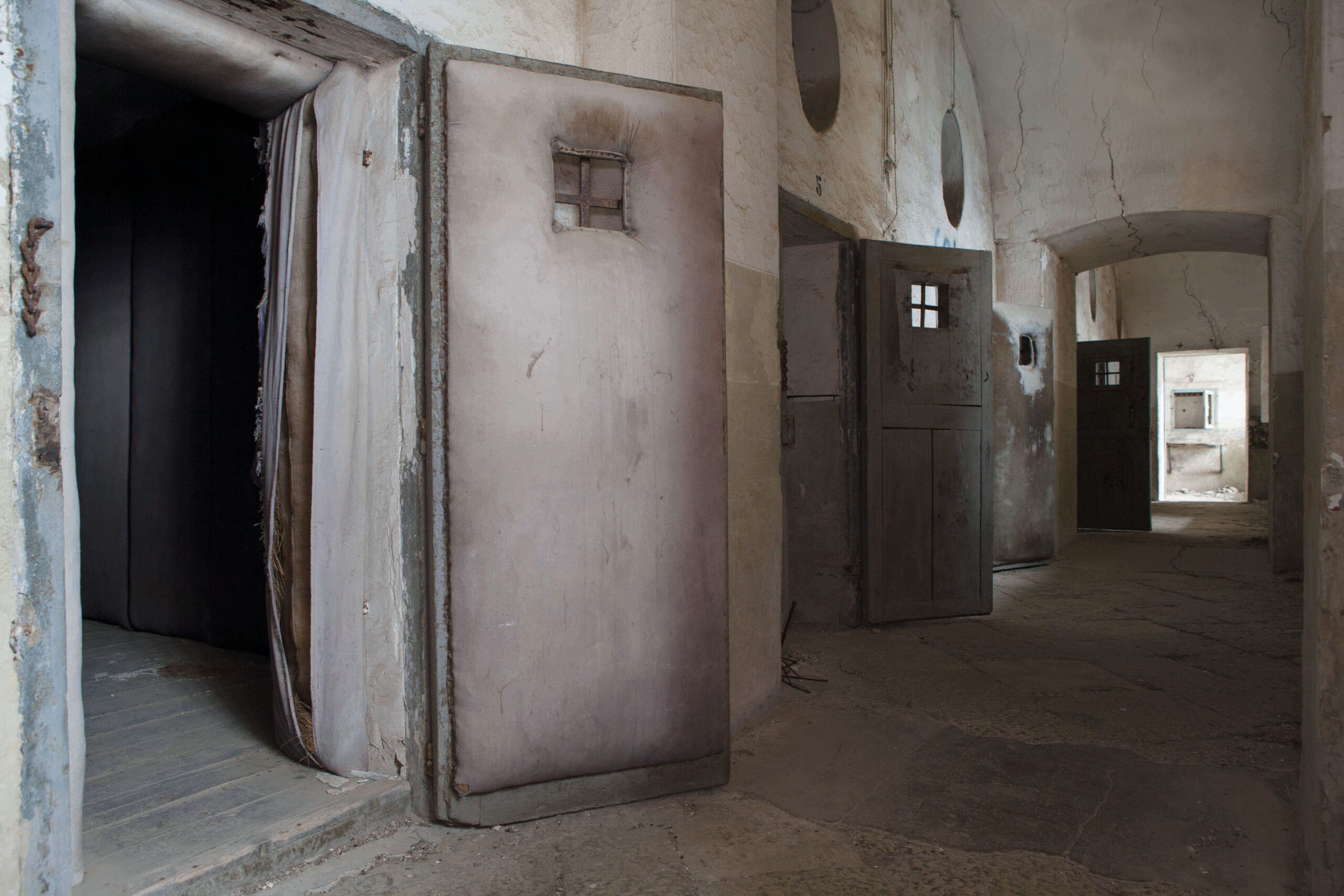
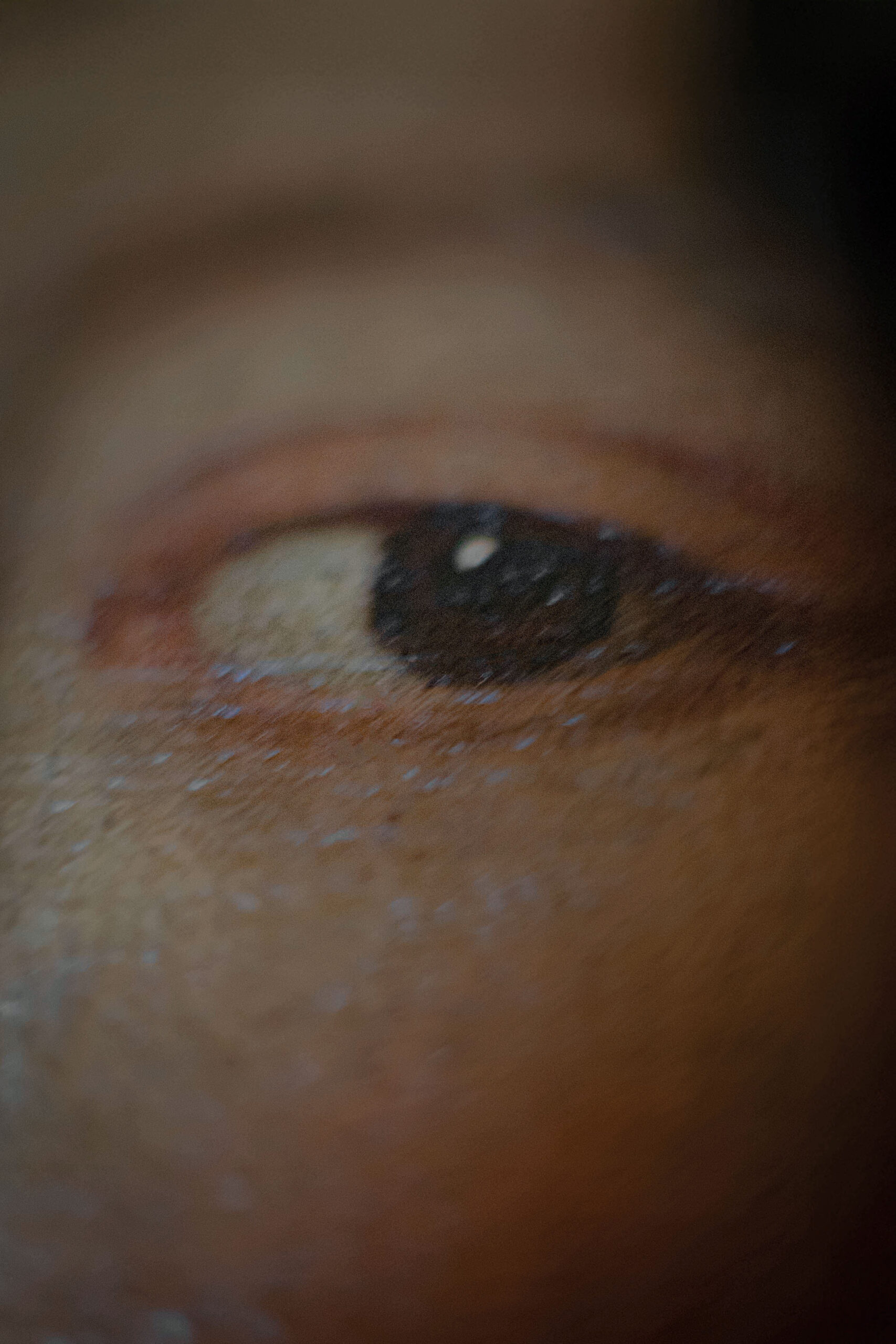
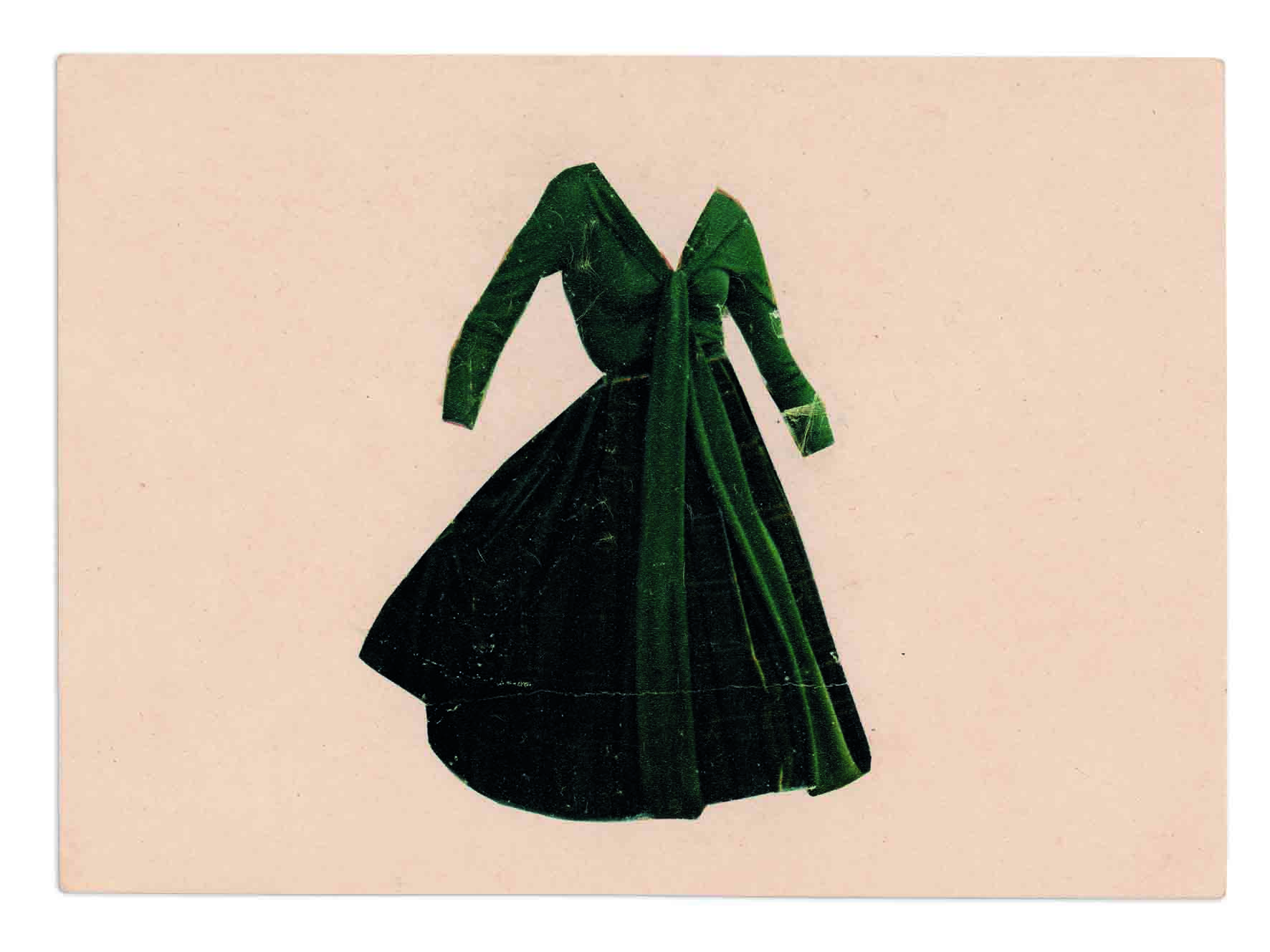

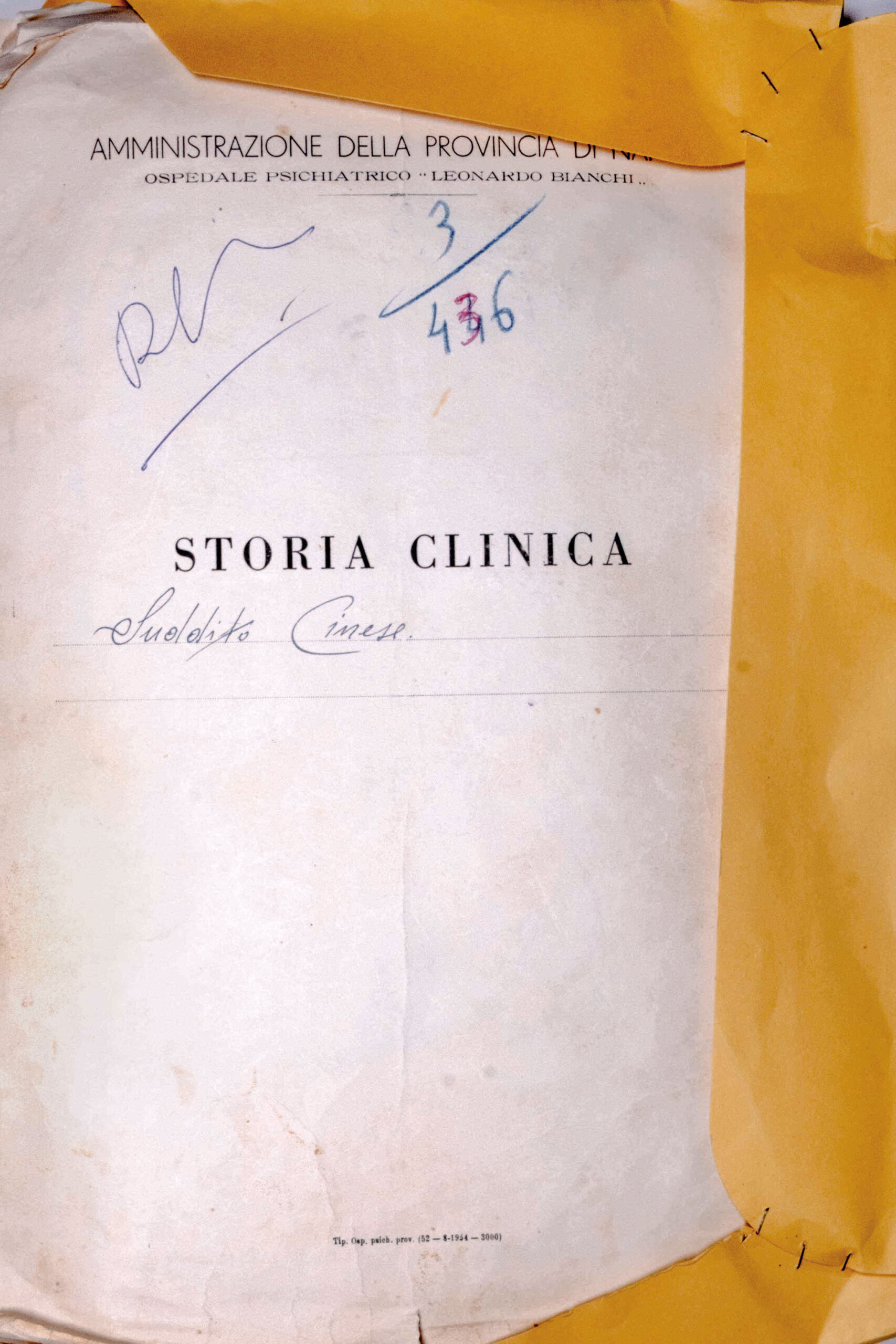


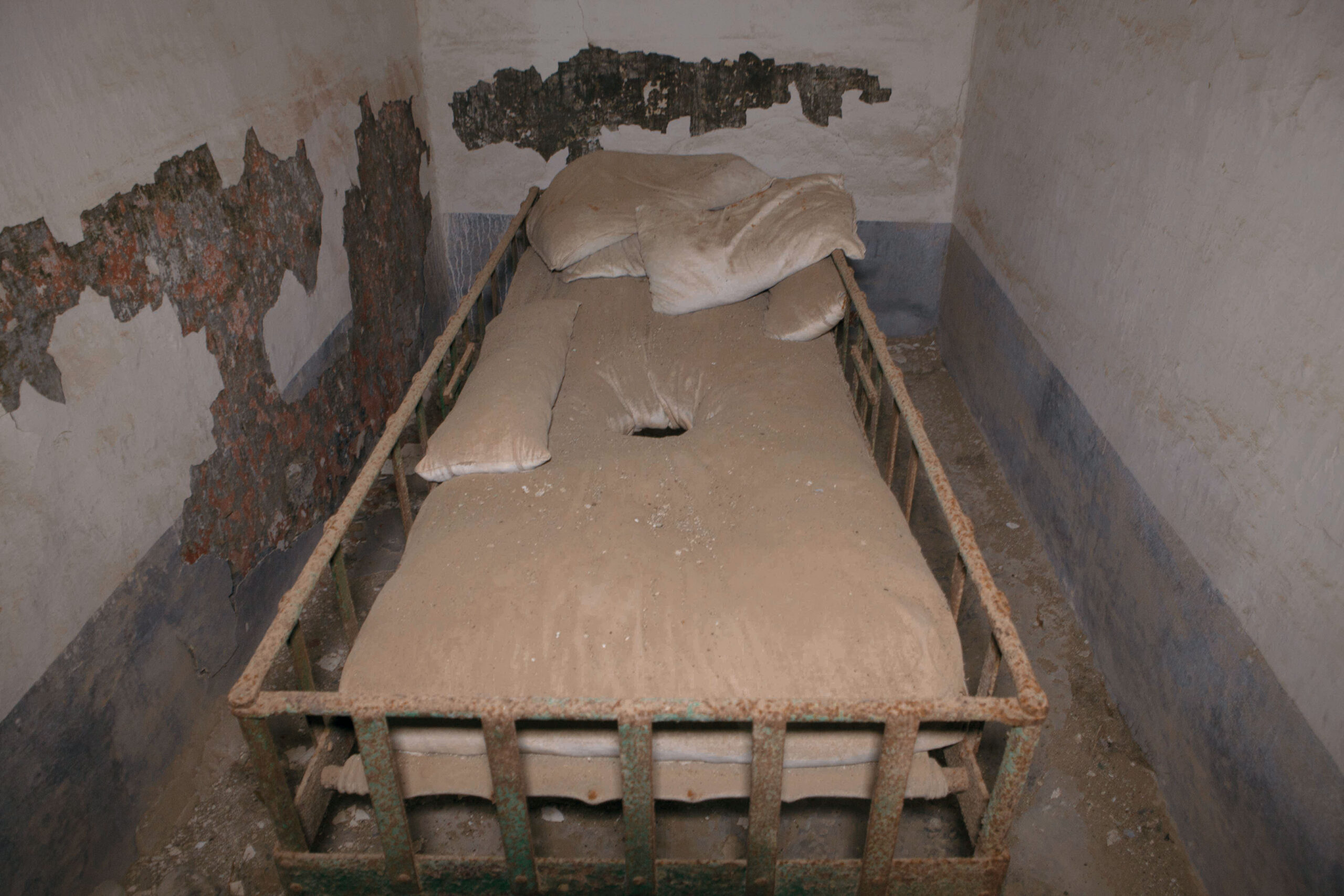
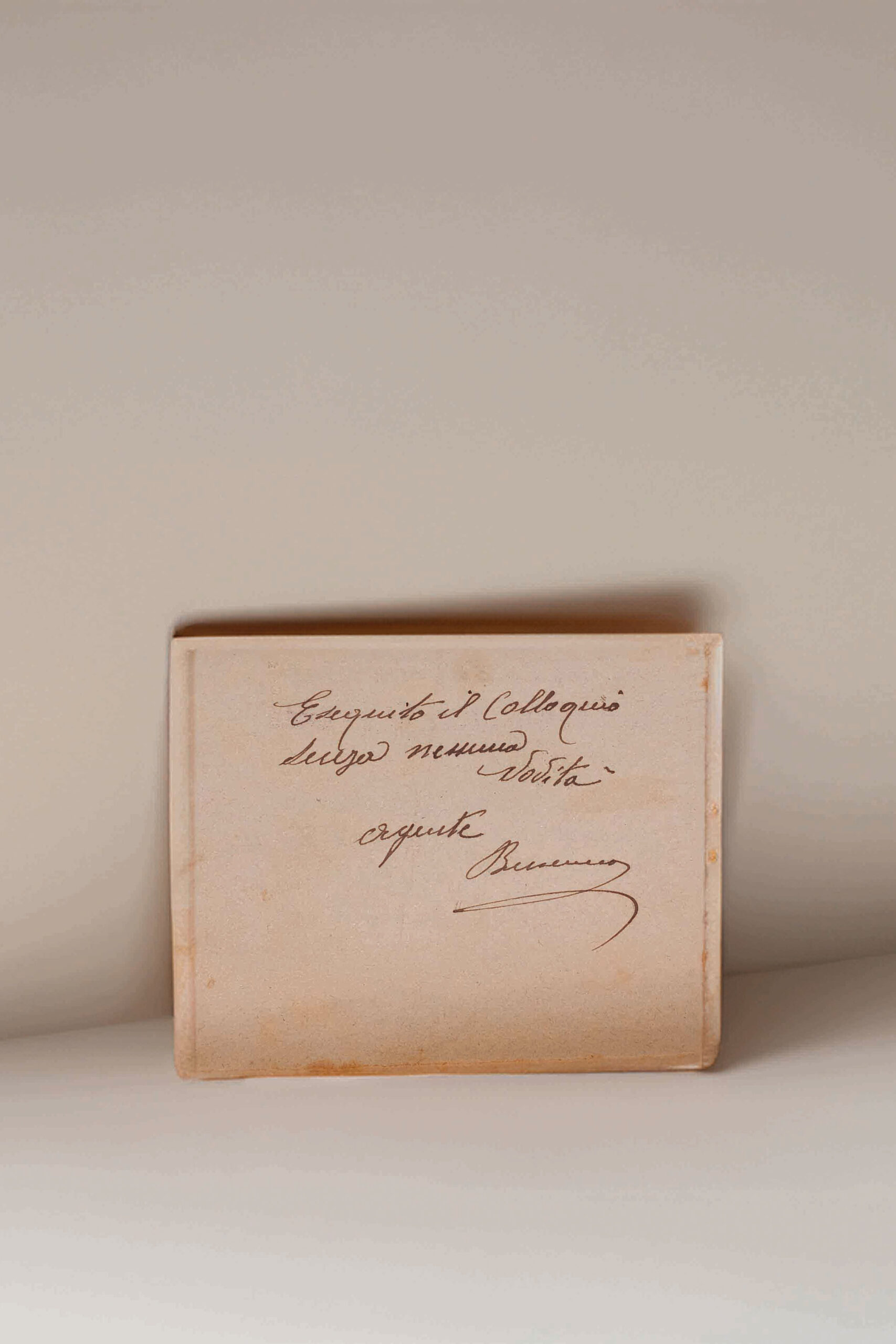
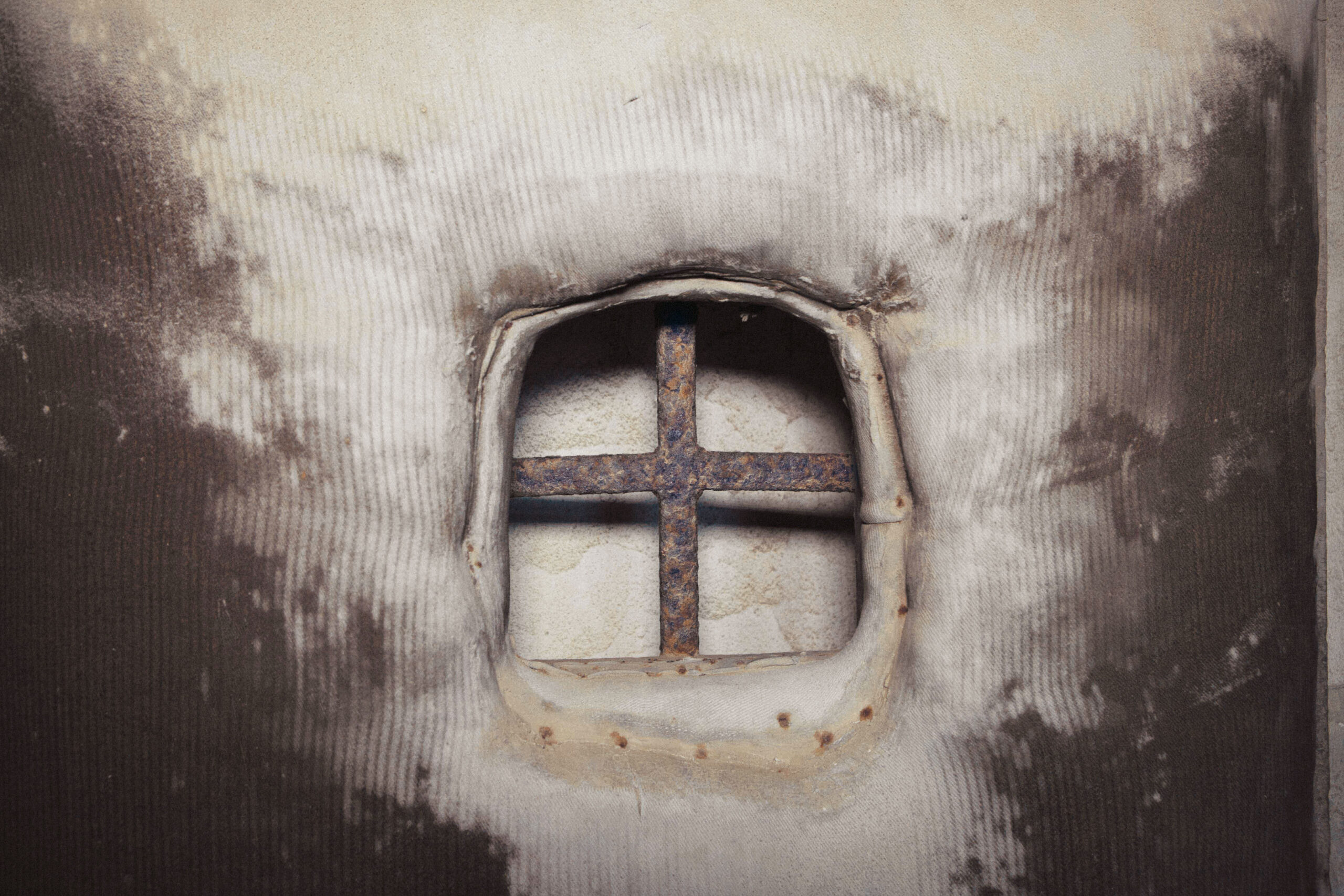
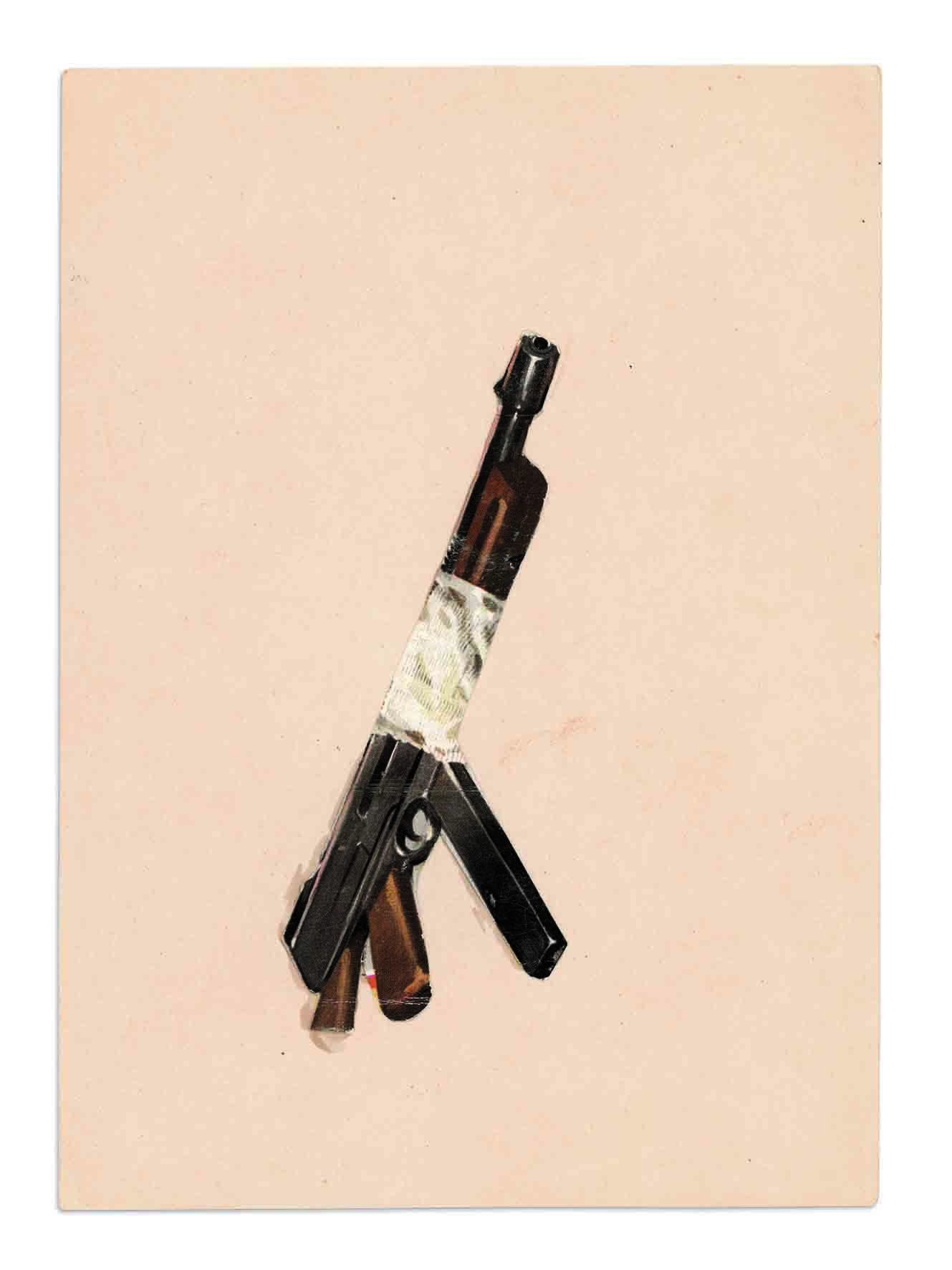
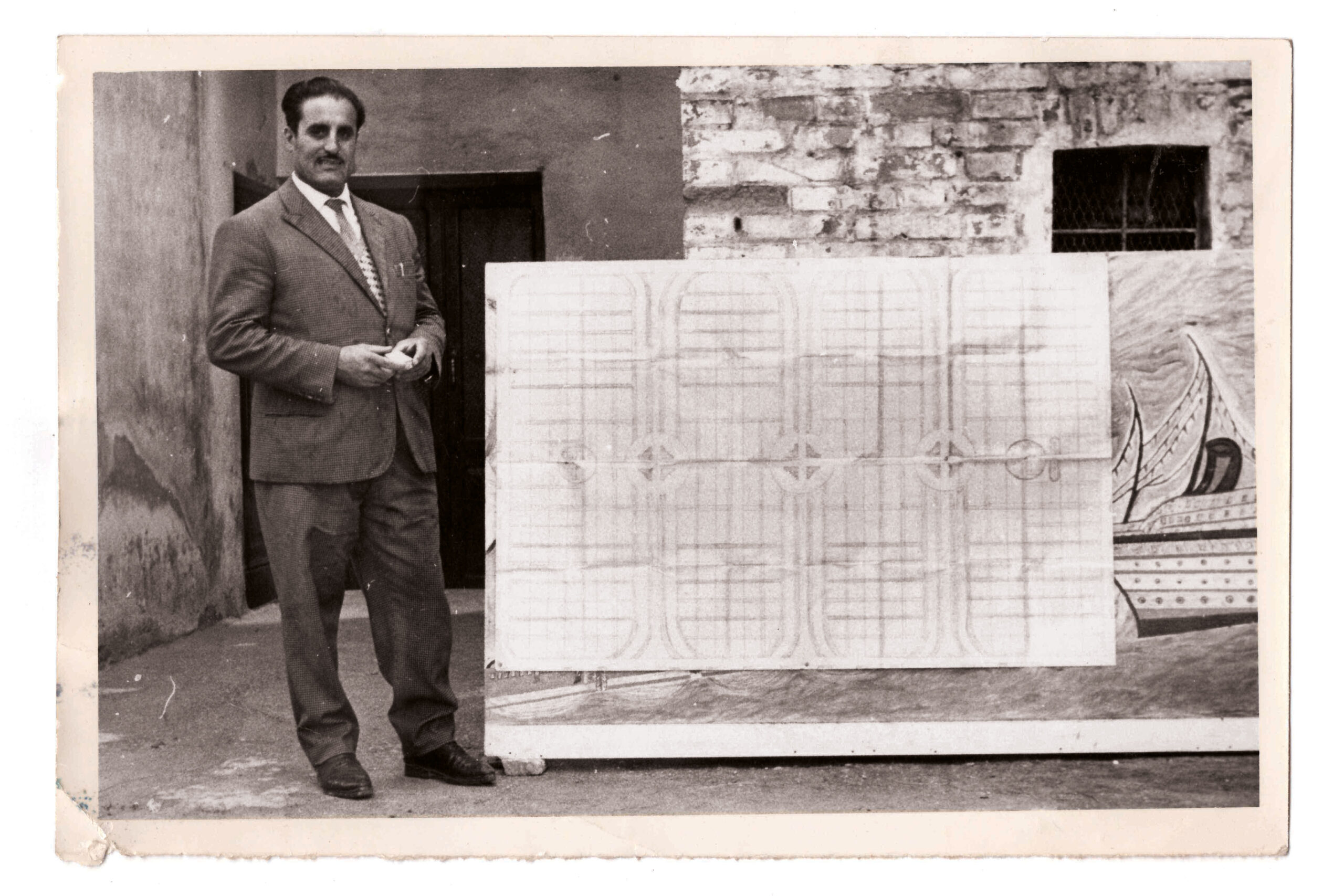

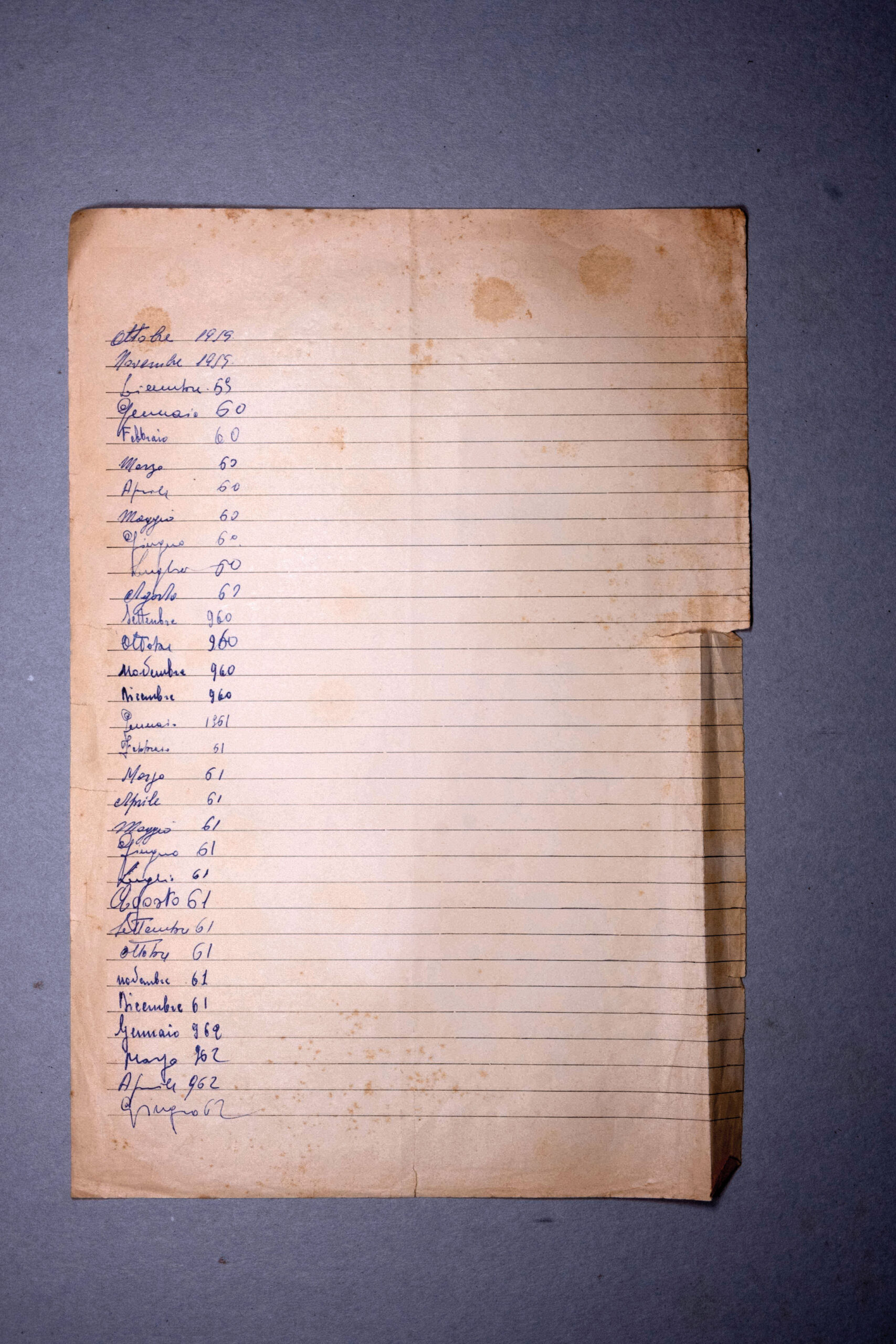
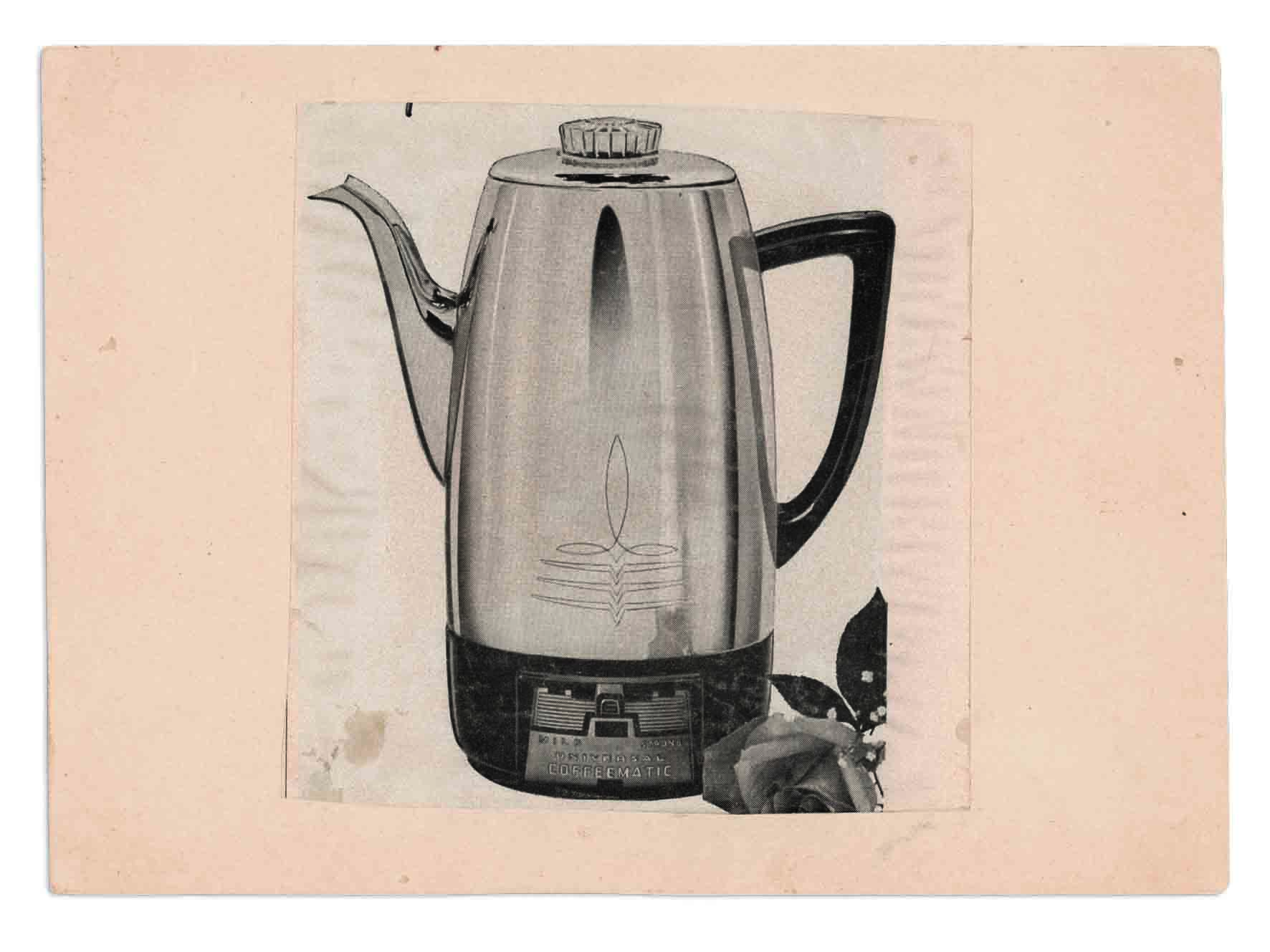

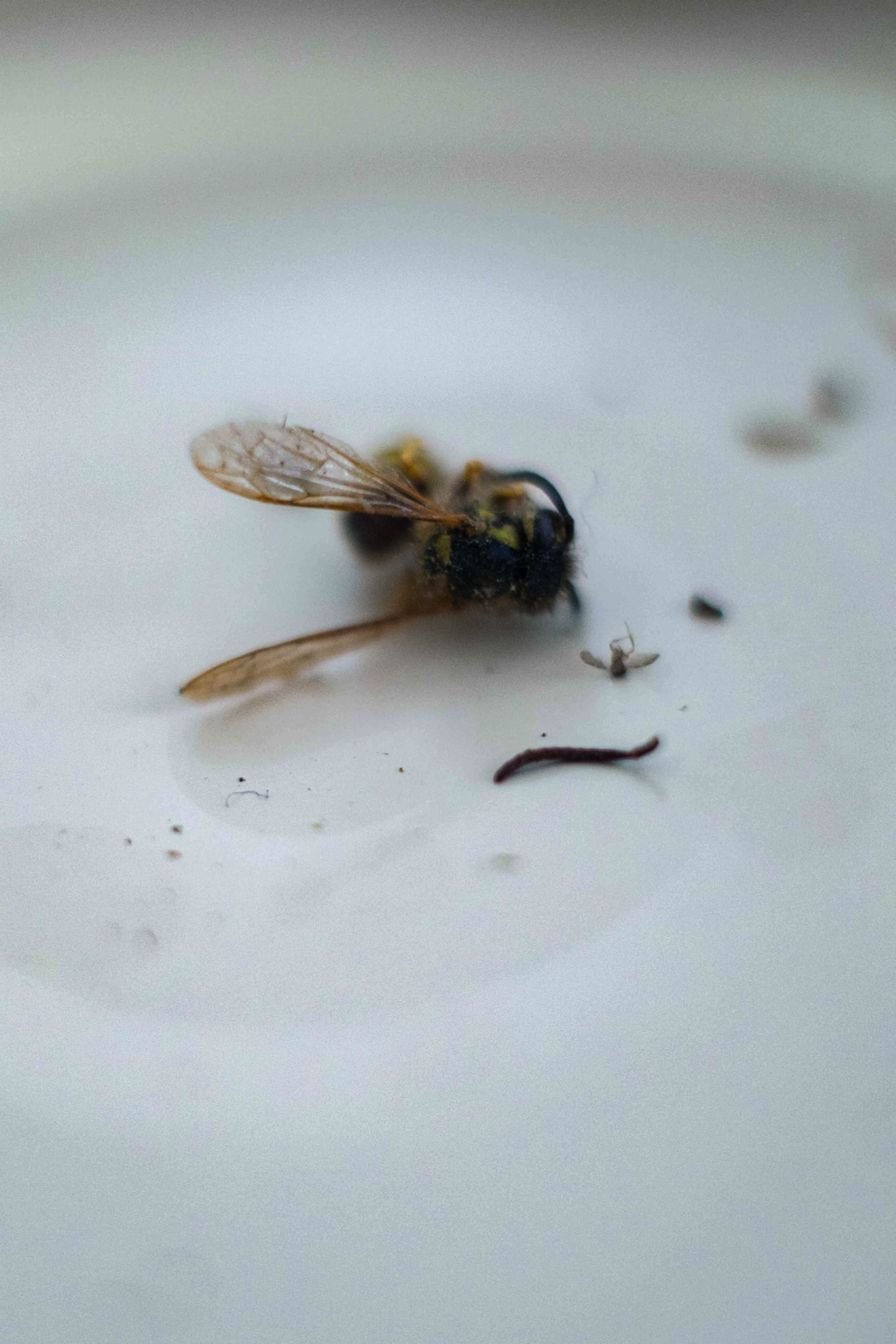
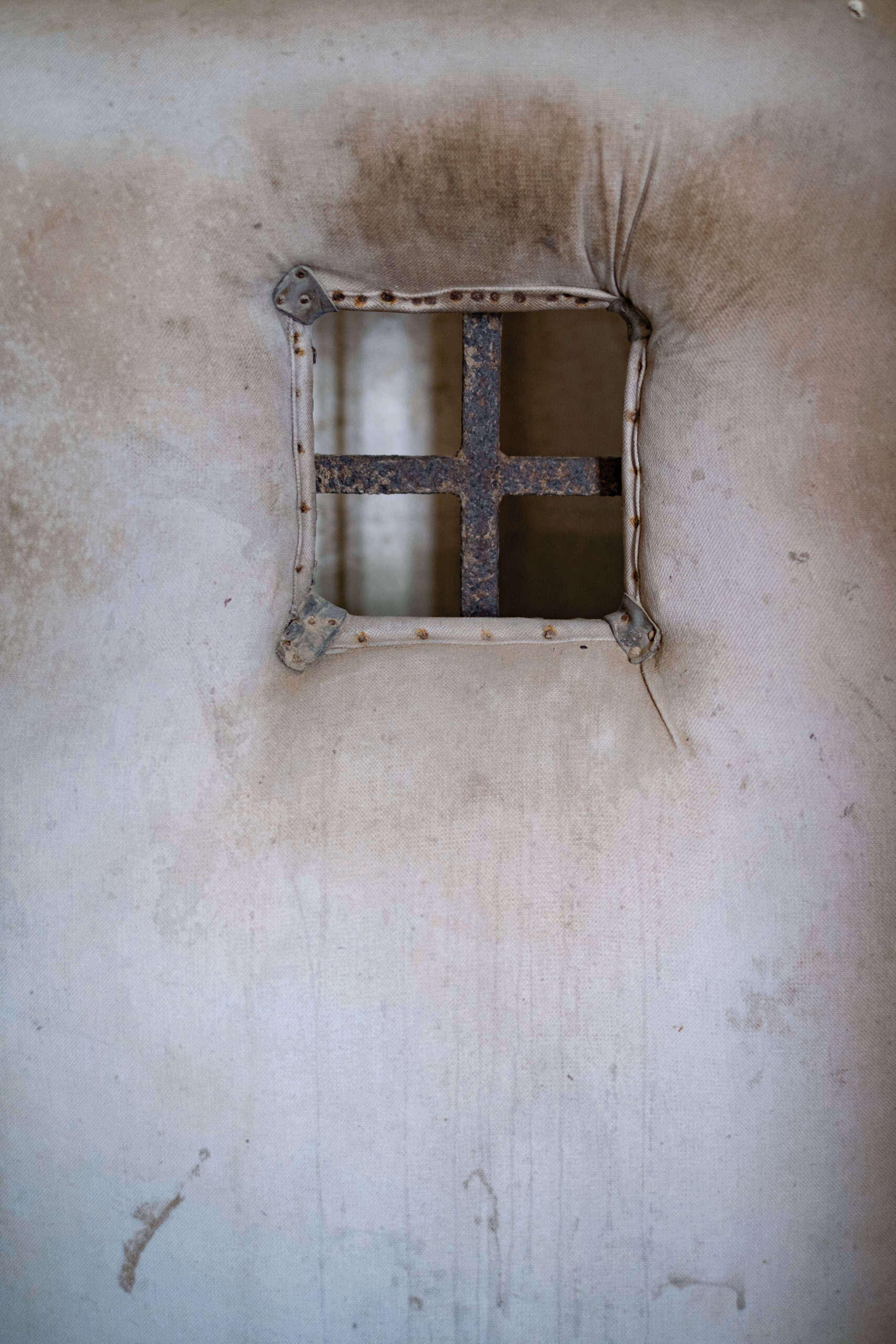

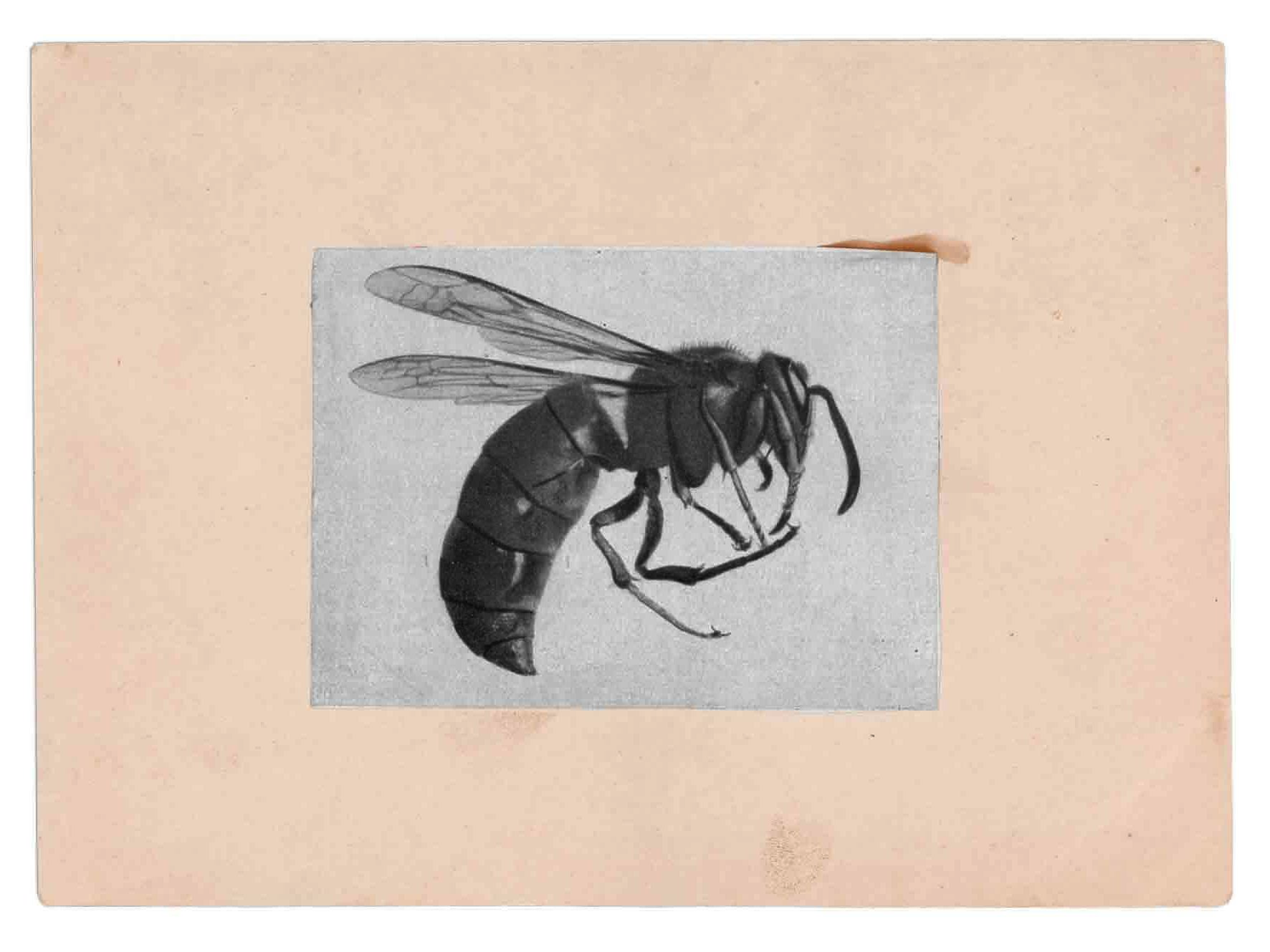
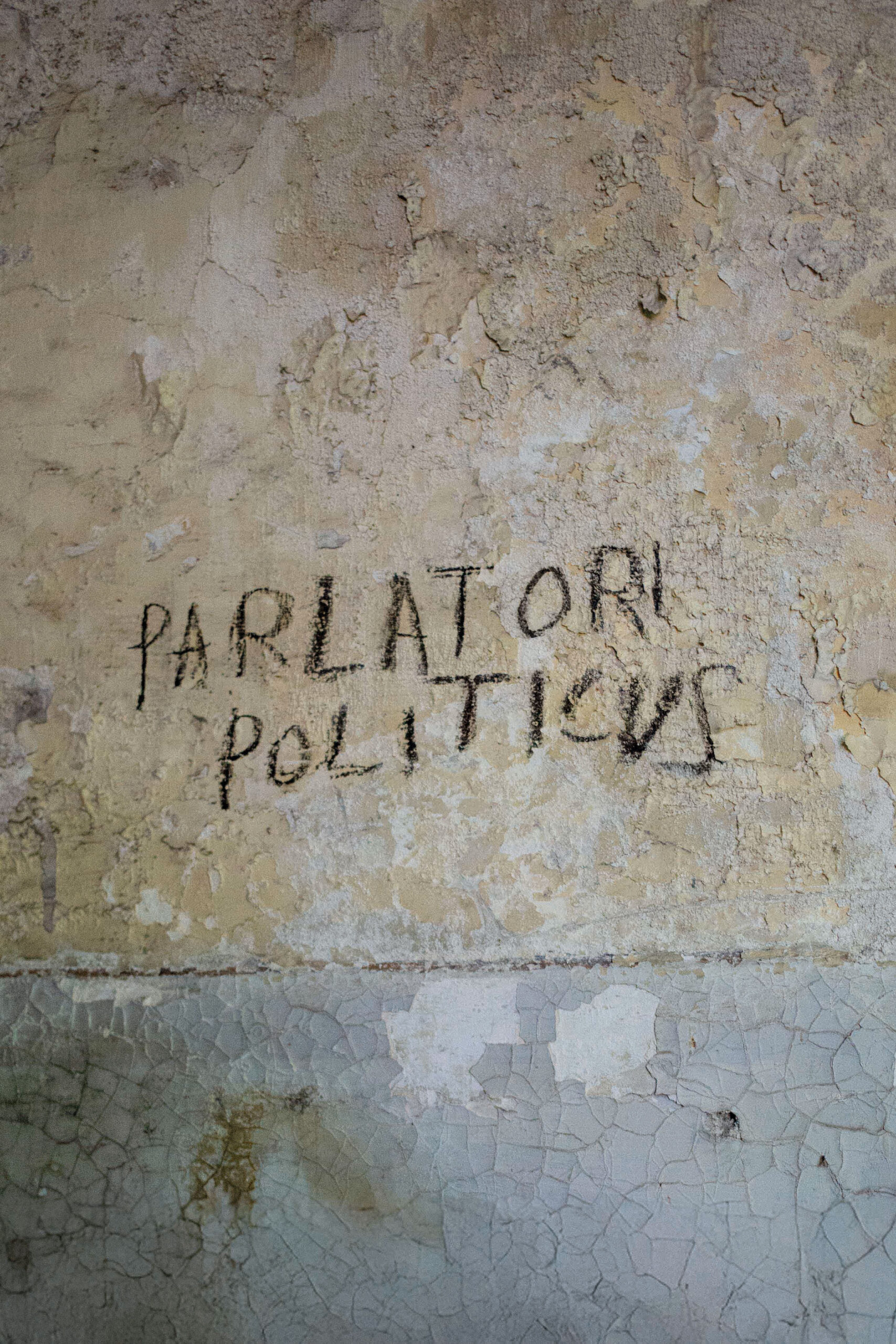
Questa scritta – sgrammaticata, ibrida, in un latino deformato – rinvenuta su un muro interno di un ospedale psichiatrico dove ho lavorato come volontaria negli anni ̓90, non è un mero errore. È una frattura, un segno concreto di una lingua spezzata che non serve a comunicare ma a rivelare un fallimento: il fallimento del linguaggio. Parlatori Politicus smaschera un linguaggio pubblico che non comunica, non comprende, non ascolta: una satira estrema di chi riempie lo spazio del mondo con parole che non costruiscono, non accolgono, non curano; il latino deformato evoca lingue “alte” della Chiesa, del diritto e della medicina ma qui, prive di senso, diventano lingue di chi parla “per mestiere” e parla per non dire. Parole che navigano senza senso in un mondo che confonde ruoli e non distingue più tra devianza e differenza. L’assenza di una lingua condivisa, ma soprattutto di un autentico tentativo di ascolto, ci condanna a una solitudine muta. La follia oggi risiede nei dialoghi interrotti e nelle parole che fingono di includere e invece escludono. È una follia sociale che si finge normalità. La voce del paziente recluso nel manicomio percepisce la parola “politica” e la intende nel senso peggiore: spettacolare, ambigua, manipolatrice. Questa incisione oggi titola il mio lavoro e testimonia con forza una comunicazione fallita, ridotta a parata e messinscena. Ho raccolto tracce di una storia vera, svoltasi all’interno di un’istituzione, che resta ancora oggi irrisolta. Le cards riprodotte in questo libro sono fatte a mano e contengono simboli, embrioni delle attuali flash cards utilizzate per la comunicazione aumentati-va alternativa. Sono reperti originali appartenuti a un medico che, all’epoca, le usava per cercare un contatto quando le parole non bastavano più a comunicare con i pazienti. Questi reperti si intrecciano agli estratti delle anamnesi di questo emblematico paziente e alle domande poste durante la sua valutazione. Le stanze imbottite ancora conservano, nel silenzio ovattato delle loro pareti, le tracce di chi ha provato a parlare e non è stato capito. Mi chiedo oggi, qui, fuori dal manicomio, chi parli davvero e soprattutto chi ci sia ad ascoltare.
This inscription – ungrammatical, hybrid, in a deformed Latin – found on an interior wall of a psychiatric hospital where I volunteered in the 1990s, is not a mere mistake. It is a fracture, a concrete sign of a broken language that serves not to communicate but to reveal a failure: the failure of language. Parlatori Politicus unmasks a public language that does not communicate, does not understand, does not listen: an extreme satire of those who fill the world’s space with words that neither build, wel-come, nor heal. The distorted Latin evokes “high” languages of the Church, of law and of medicine, yet now stripped of any meaning they become the languages of those who speak “by trade” and speak to say nothing. Words that drift aimlessly in a world that confuses roles and no longer distinguishes between deviance and difference. The absence of a shared language, but above all of an authentic attempt to listen, condemns us to silent solitude. Madness today lies in broken dialogues and in words that pretend to include but instead exclude. It is a social madness masquerading as normality. The voice of the patient confined in the asylum perceives the word “politics” and understands it in its worst sense: spectacular, ambiguous, manipulative. This inscription now titles my work and becomes the symbol of failed communication reduced to a parade and a performance. In this work I collected traces of a true story, set within an institution, that remains unresolved to this day. The cards reproduced in this book are handmade and bear symbols-embryos of the current flashcards used for augmentative and alternative communica-tion. They are original artifacts that belonged to a doctor who, at the time, used them to seek contact when words were no longer enough to communicate with patients. These artifacts are intertwined with extracts from the medical history of this emblematic patient and the questions asked during his evaluation. The padded rooms still preserve, in the muffled silence of their walls, the traces of those who tried to speak and were not understood. Today I wonder, here outside the asylum, who is really speaking and, above all, who is there to listen.
Questa scritta – sgrammaticata, ibrida, in un latino deformato – rinvenuta su un muro interno di un ospedale psichiatrico dove ho lavorato come volontaria negli anni ̓90, non è un mero errore. È una frattura, un segno concreto di una lingua spezzata che non serve a comunicare ma a rivelare un fallimento: il fallimento del linguaggio. Parlatori Politicus smaschera un linguaggio pubblico che non comunica, non comprende, non ascolta: una satira estrema di chi riempie lo spazio del mondo con parole che non costruiscono, non accolgono, non curano; il latino deformato evoca lingue “alte” della Chiesa, del diritto e della medicina ma qui, prive di senso, diventano lingue di chi parla “per mestiere” e parla per non dire. Parole che navigano senza senso in un mondo che confonde ruoli e non distingue più tra devianza e differenza. L’assenza di una lingua condivisa, ma soprattutto di un autentico tentativo di ascolto, ci condanna a una solitudine muta. La follia oggi risiede nei dialoghi interrotti e nelle parole che fingono di includere e invece escludono. È una follia sociale che si finge normalità. La voce del paziente recluso nel manicomio percepisce la parola “politica” e la intende nel senso peggiore: spettacolare, ambigua, manipolatrice. Questa incisione oggi titola il mio lavoro e testimonia con forza una comunicazione fallita, ridotta a parata e messinscena. Ho raccolto tracce di una storia vera, svoltasi all’interno di un’istituzione, che resta ancora oggi irrisolta. Le cards riprodotte in questo libro sono fatte a mano e contengono simboli, embrioni delle attuali flash cards utilizzate per la comunicazione aumentati-va alternativa. Sono reperti originali appartenuti a un medico che, all’epoca, le usava per cercare un contatto quando le parole non bastavano più a comunicare con i pazienti. Questi reperti si intrecciano agli estratti delle anamnesi di questo emblematico paziente e alle domande poste durante la sua valutazione. Le stanze imbottite ancora conservano, nel silenzio ovattato delle loro pareti, le tracce di chi ha provato a parlare e non è stato capito. Mi chiedo oggi, qui, fuori dal manicomio, chi parli davvero e soprattutto chi ci sia ad ascoltare.
This inscription – ungrammatical, hybrid, in a deformed Latin – found on an interior wall of a psychiatric hospital where I volunteered in the 1990s, is not a mere mistake. It is a fracture, a concrete sign of a broken language that serves not to communicate but to reveal a failure: the failure of language. Parlatori Politicus unmasks a public language that does not communicate, does not understand, does not listen: an extreme satire of those who fill the world’s space with words that neither build, wel-come, nor heal. The distorted Latin evokes “high” languages of the Church, of law and of medicine, yet now stripped of any meaning they become the languages of those who speak “by trade” and speak to say nothing. Words that drift aimlessly in a world that confuses roles and no longer distinguishes between deviance and difference. The absence of a shared language, but above all of an authentic attempt to listen, condemns us to silent solitude. Madness today lies in broken dialogues and in words that pretend to include but instead exclude. It is a social madness masquerading as normality. The voice of the patient confined in the asylum perceives the word “politics” and understands it in its worst sense: spectacular, ambiguous, manipulative. This inscription now titles my work and becomes the symbol of failed communication reduced to a parade and a performance. In this work I collected traces of a true story, set within an institution, that remains unresolved to this day. The cards reproduced in this book are handmade and bear symbols-embryos of the current flashcards used for augmentative and alternative communica-tion. They are original artifacts that belonged to a doctor who, at the time, used them to seek contact when words were no longer enough to communicate with patients. These artifacts are intertwined with extracts from the medical history of this emblematic patient and the questions asked during his evaluation. The padded rooms still preserve, in the muffled silence of their walls, the traces of those who tried to speak and were not understood. Today I wonder, here outside the asylum, who is really speaking and, above all, who is there to listen.