
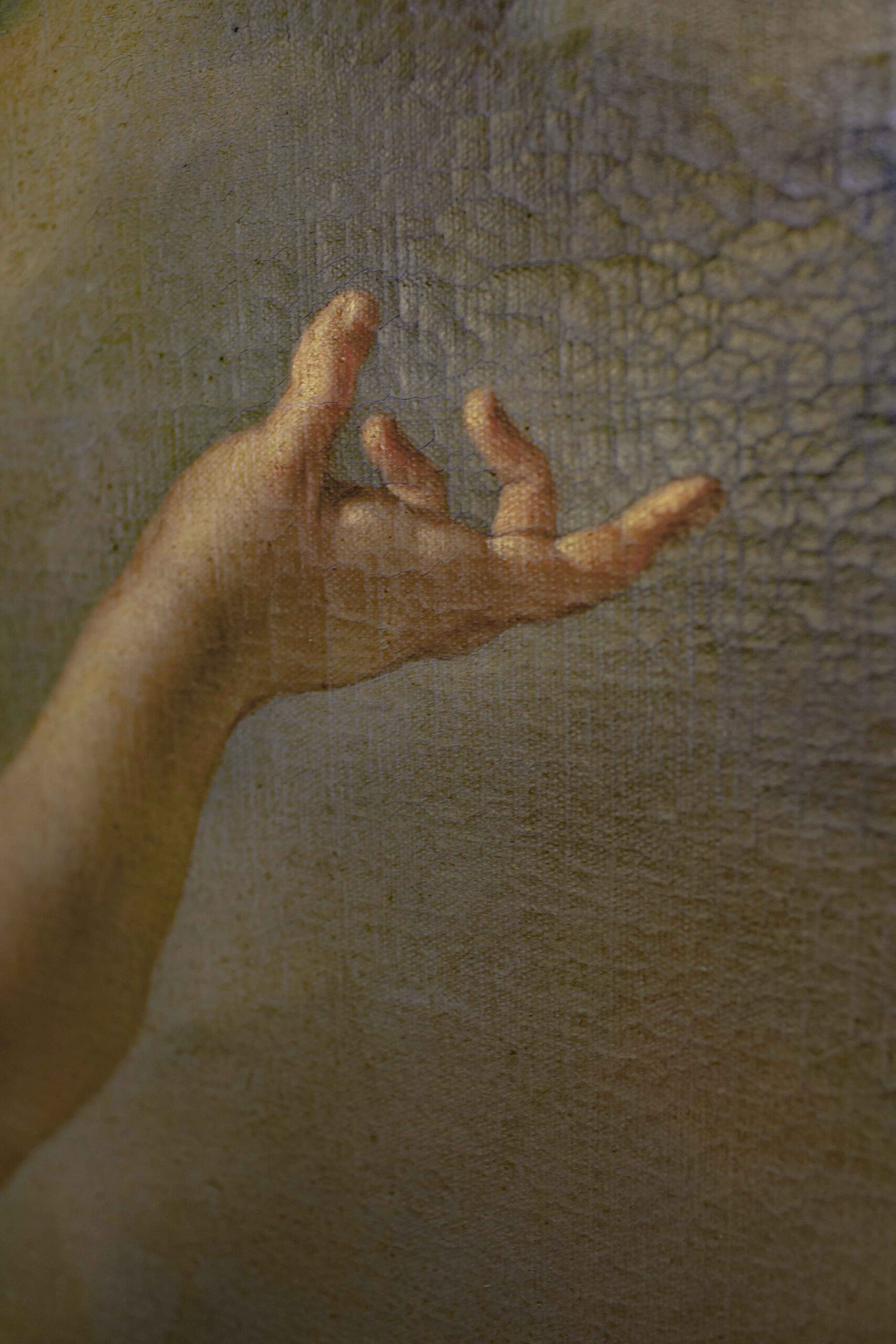
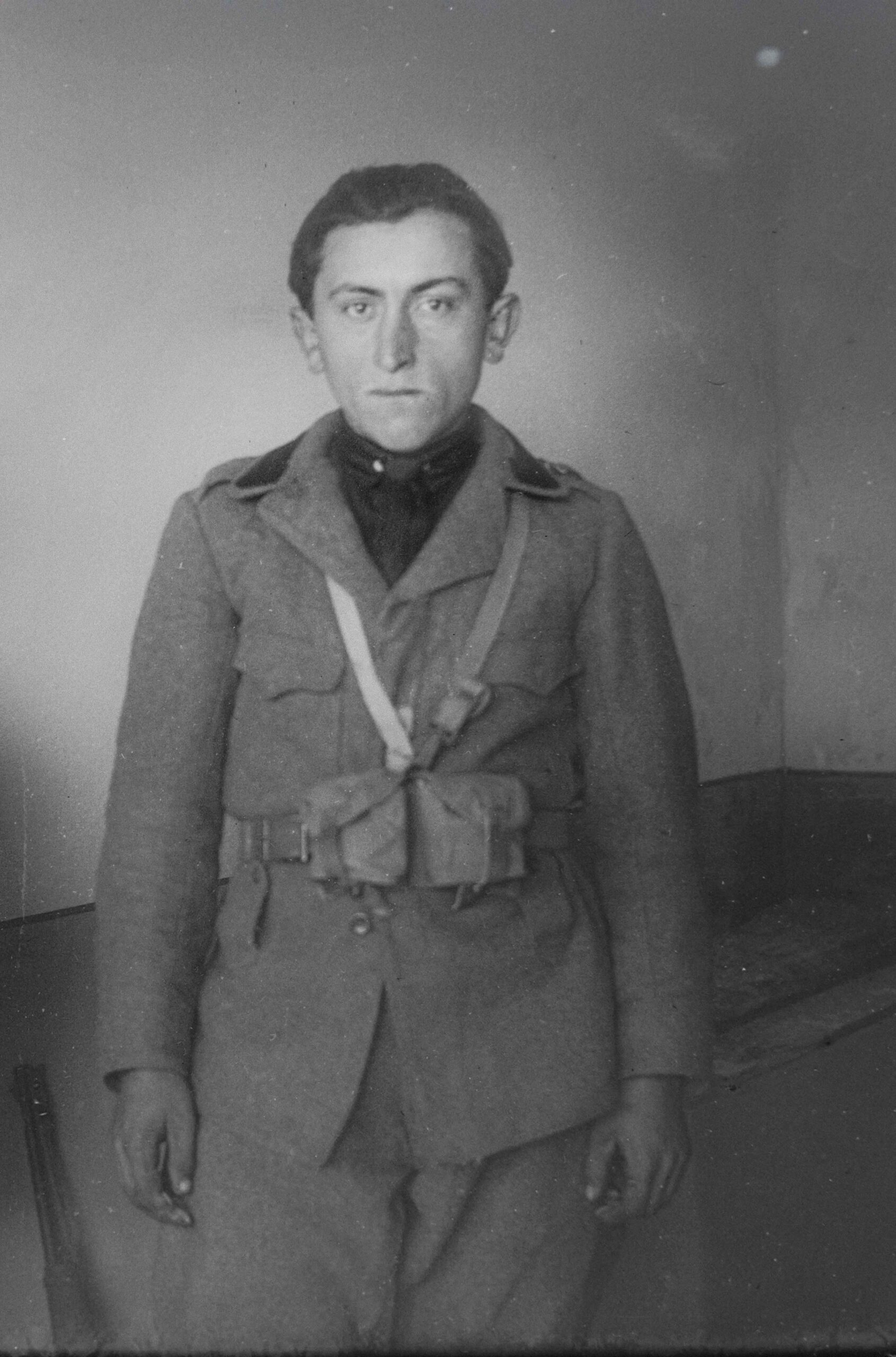
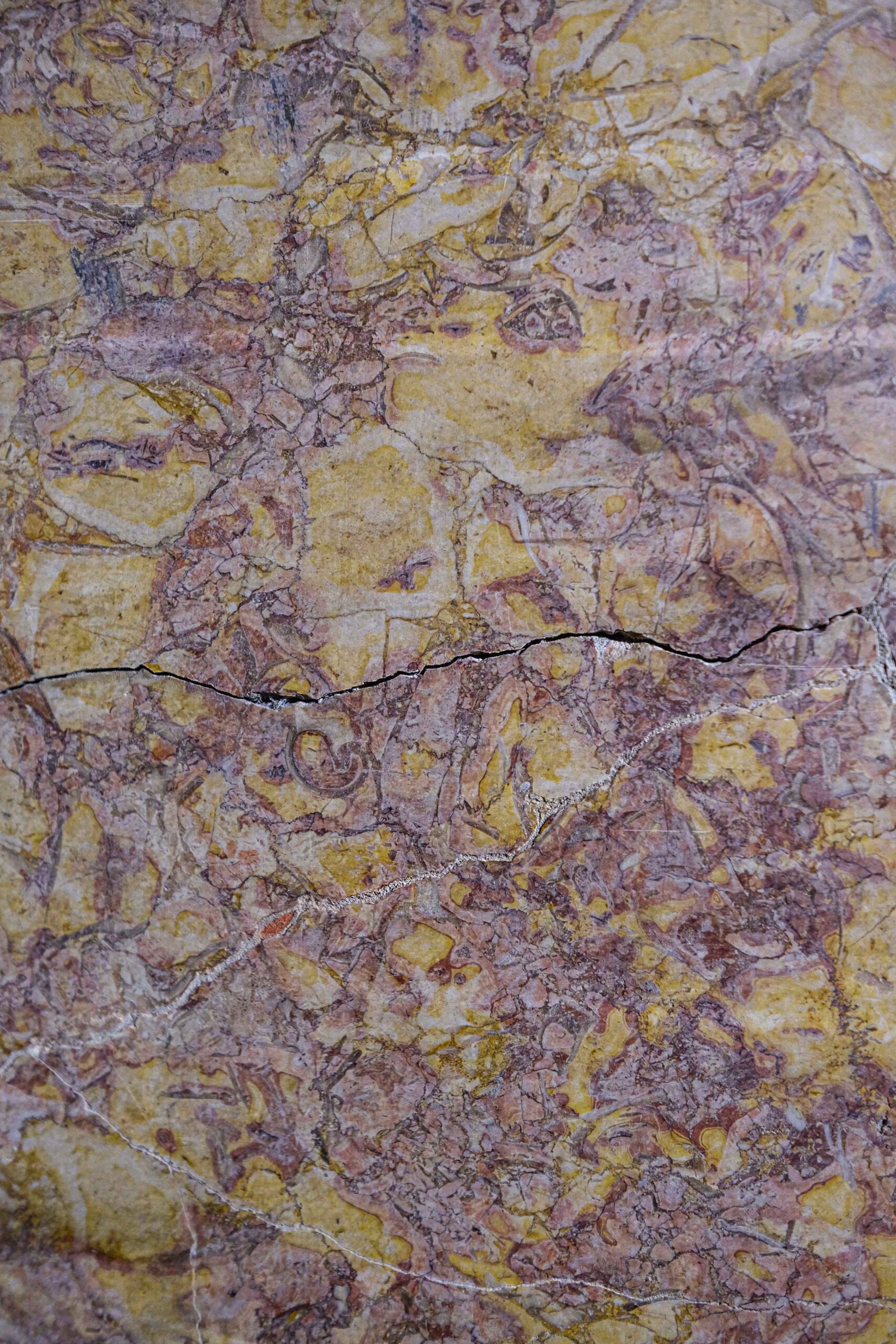
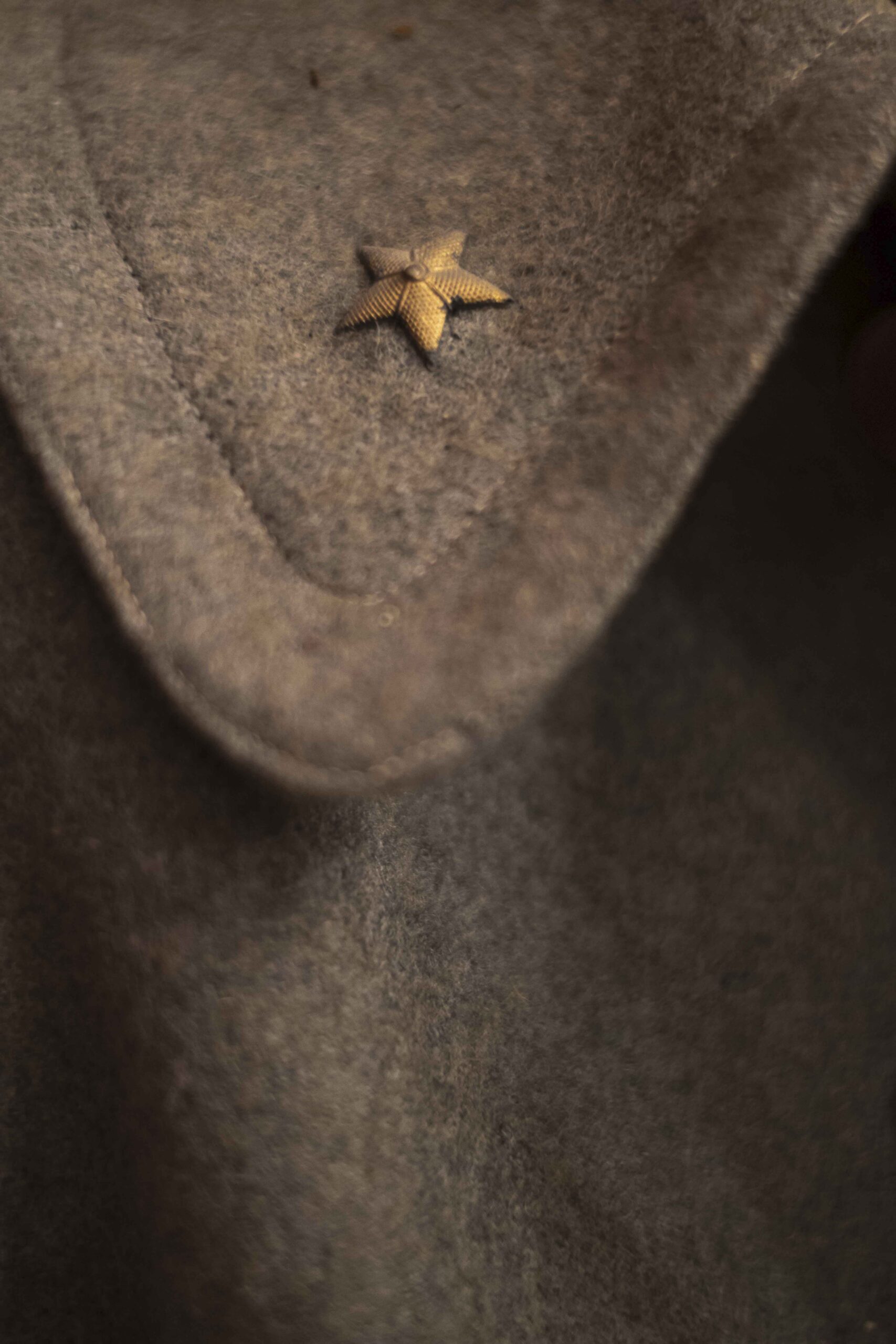
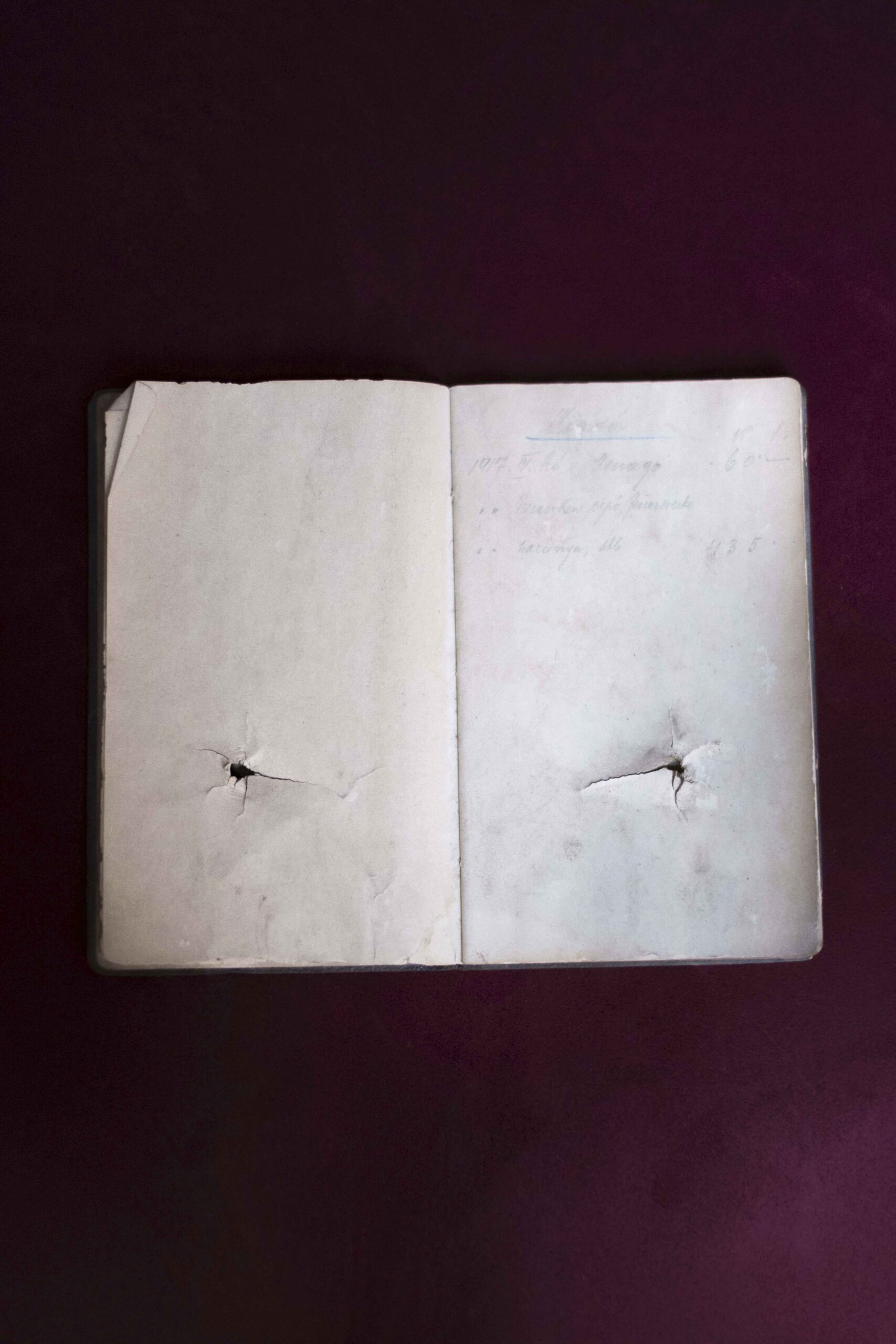
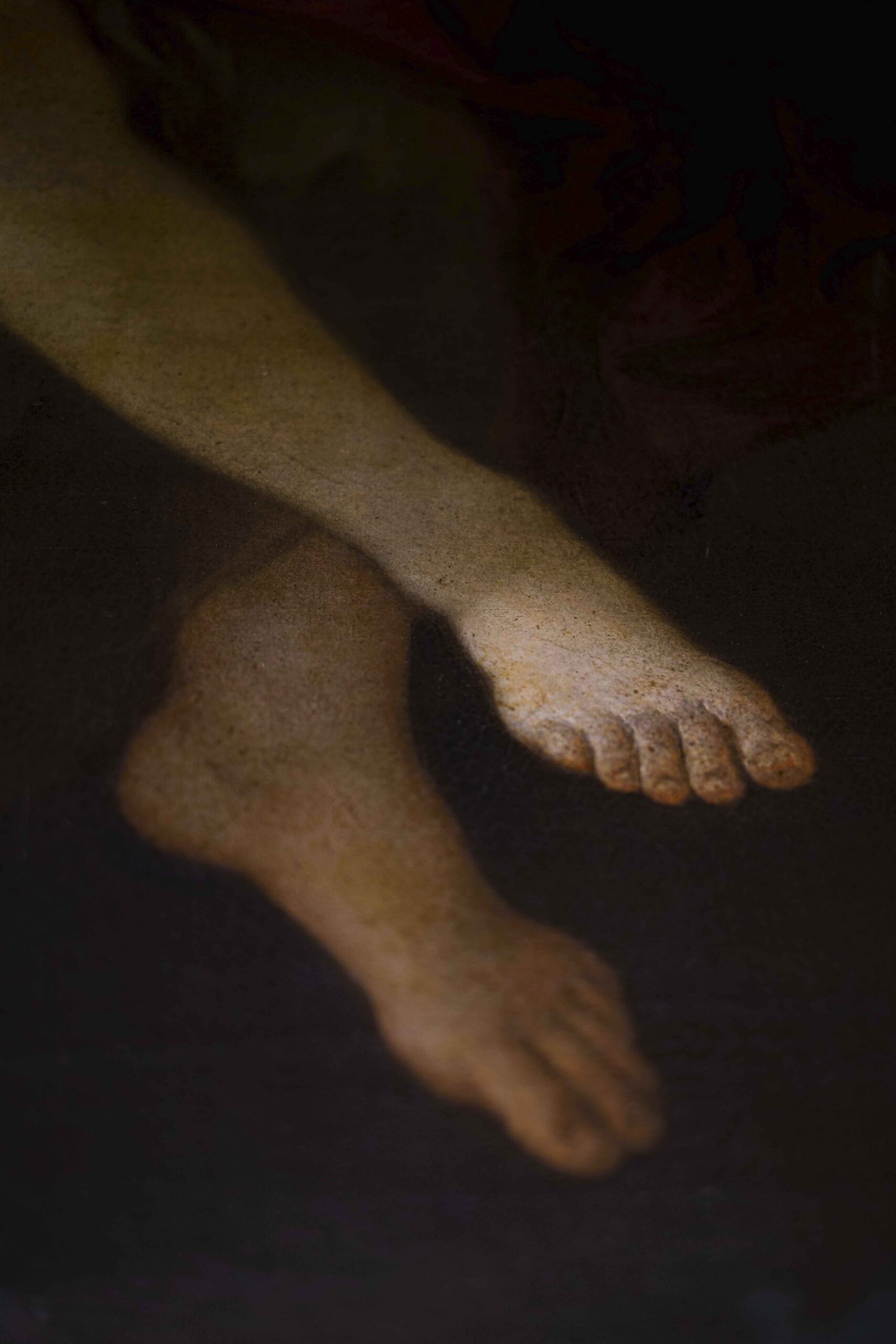
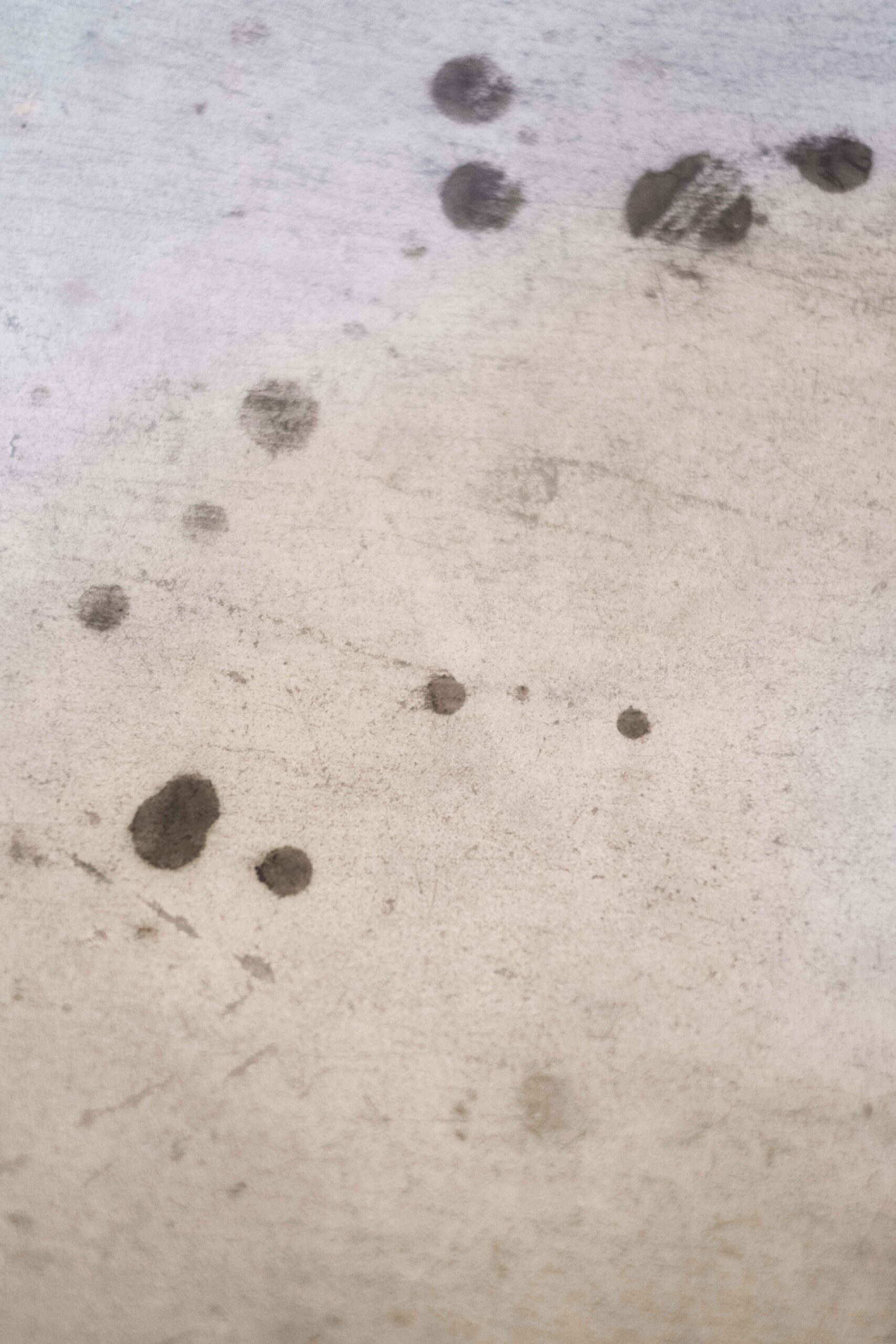
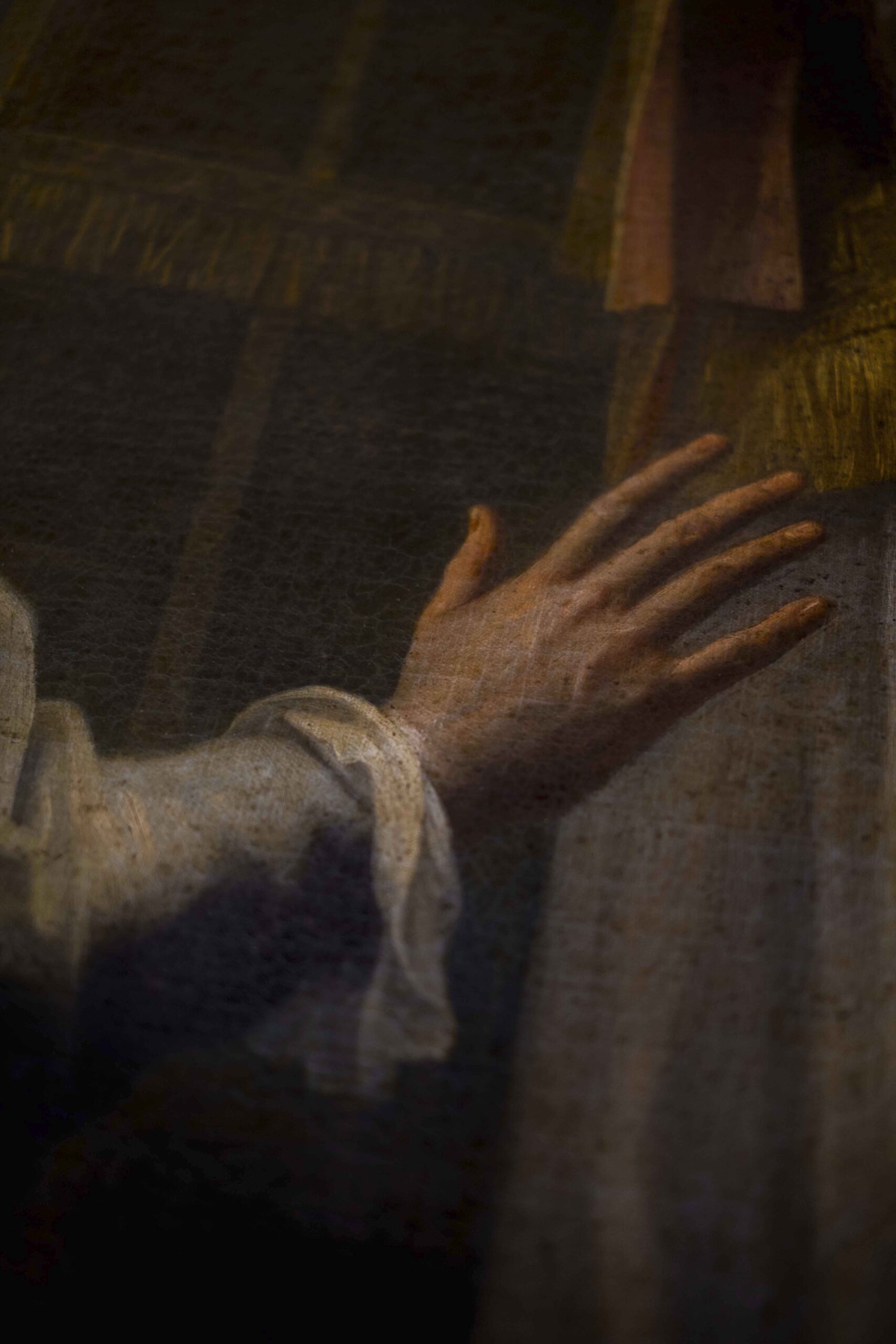
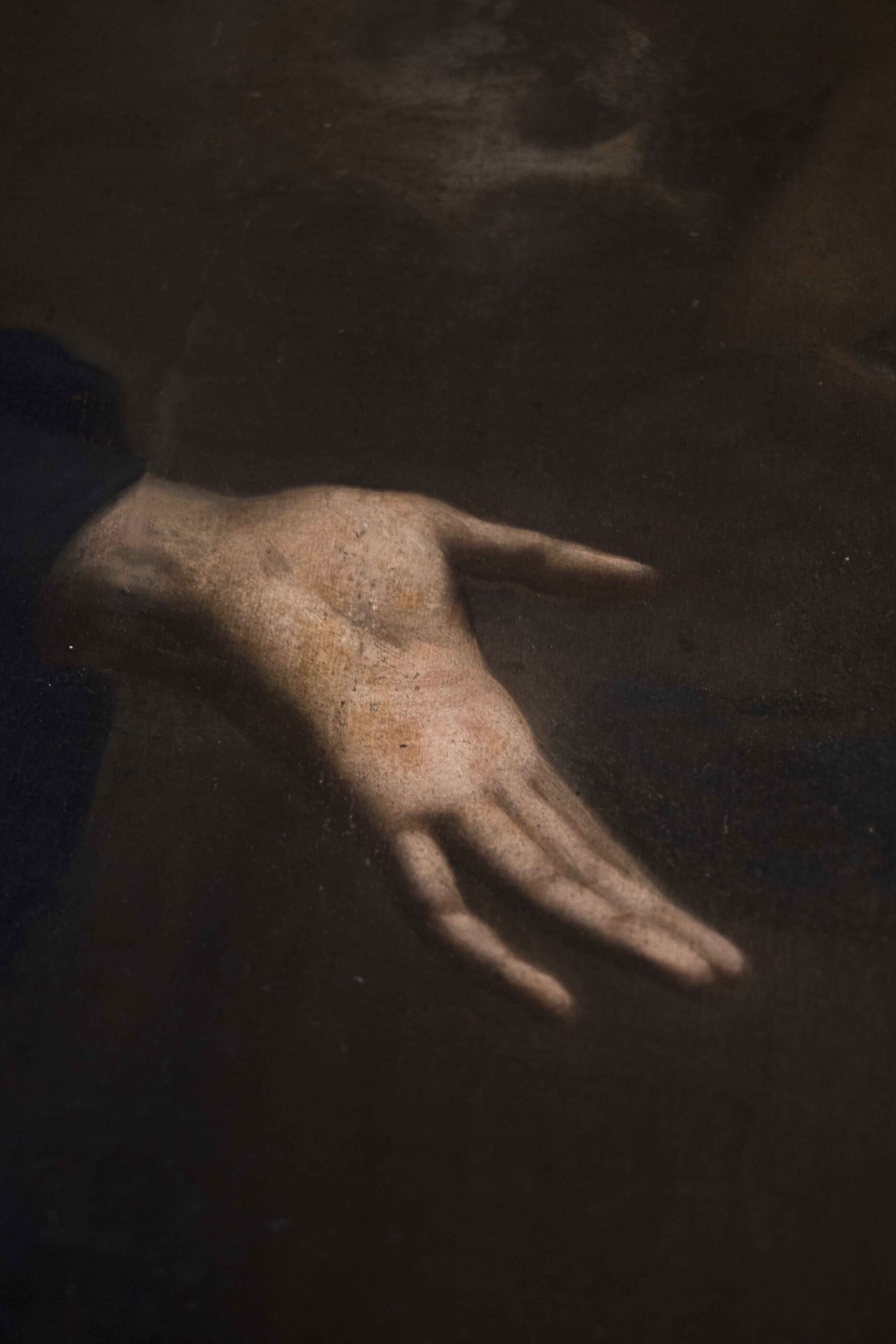

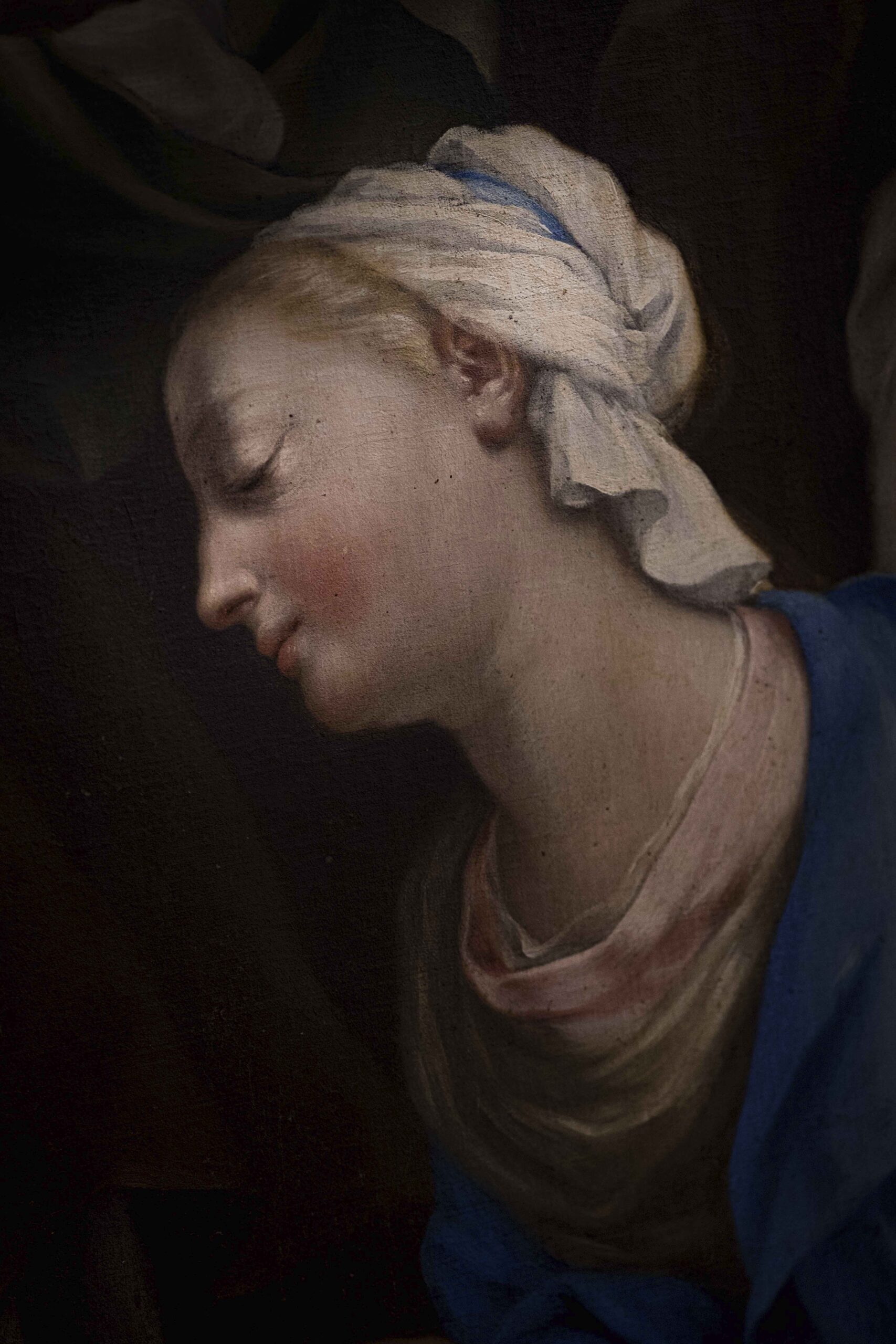
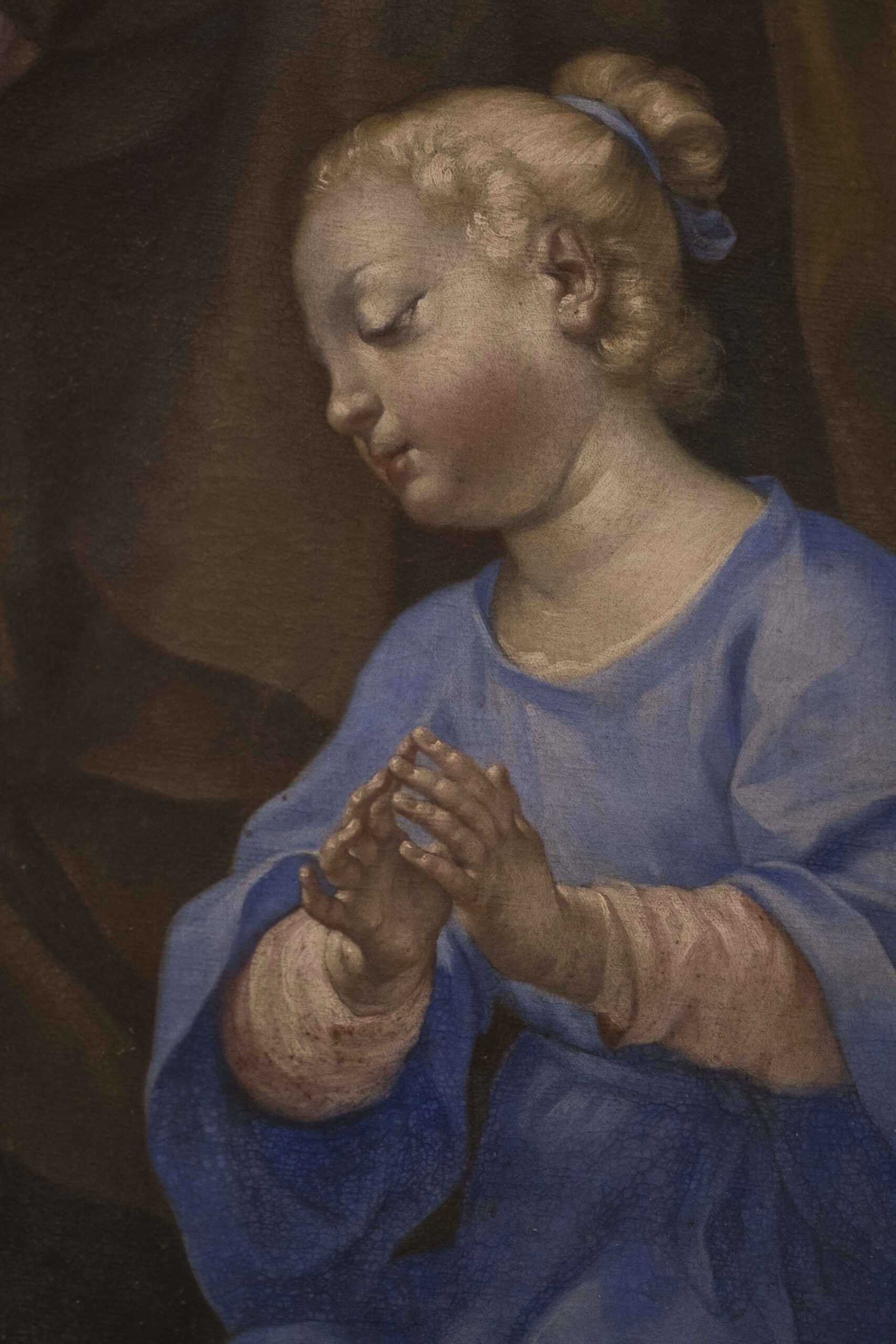
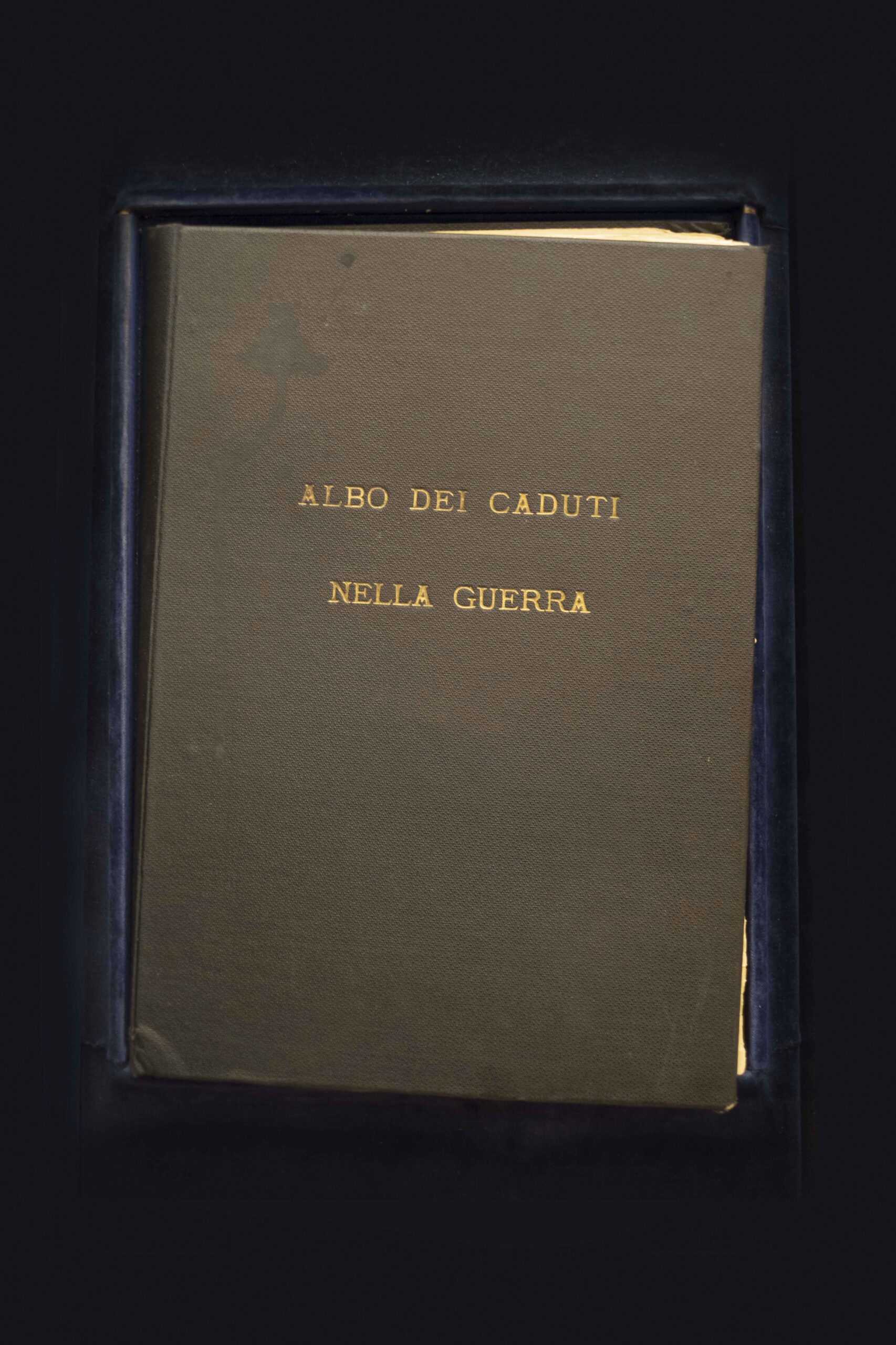
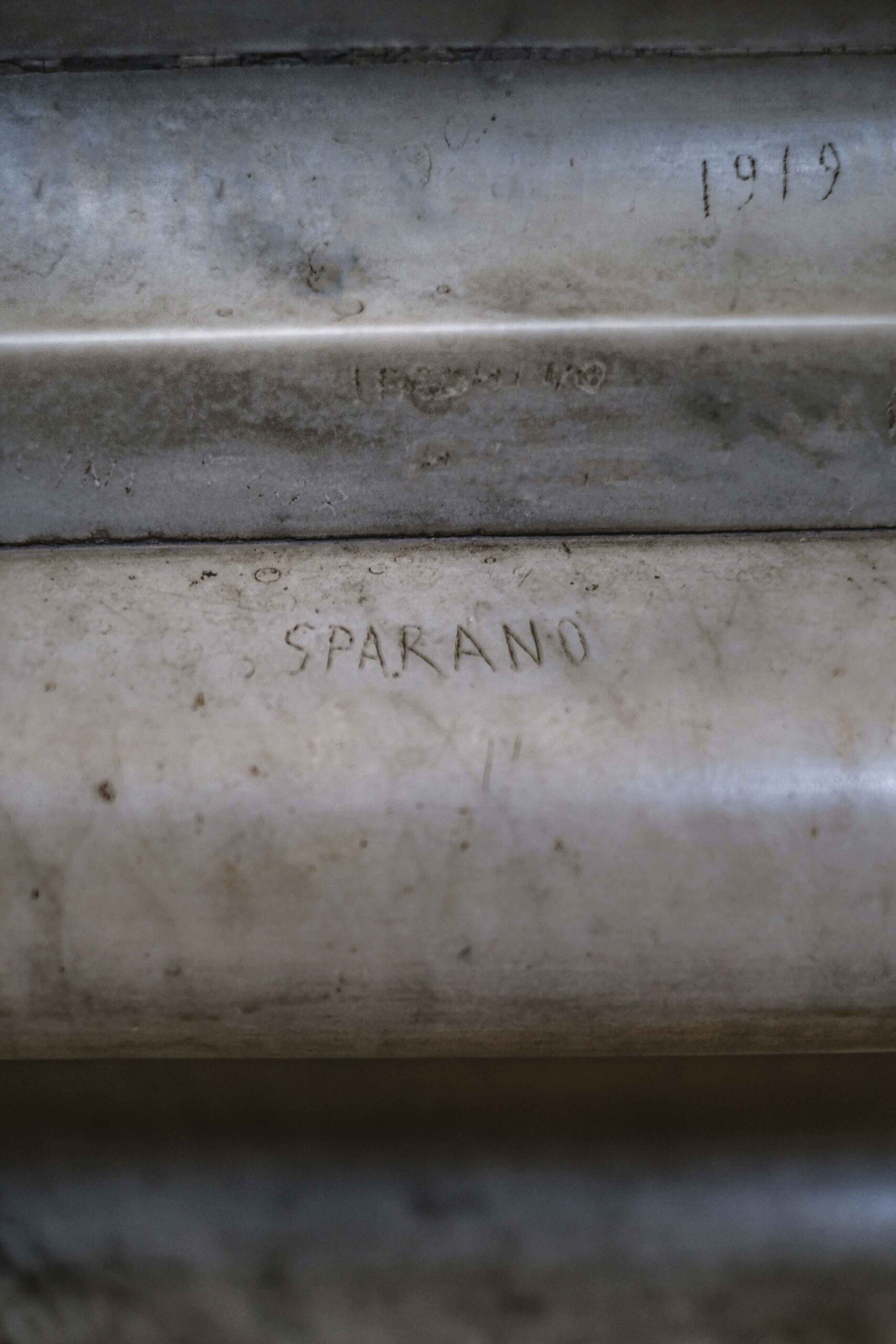
La Chiesa della Scuola Militare Nunziatella di Napoli ha visto passare tra le sue mura voci, segni e storie di giovanissimi e dei loro cari che in quei luoghi hanno lasciato echi ancora udibili per chi porge l’orecchio ed ha voglia di ascoltare. A MIA MADRE è un viaggio nella memoria che ascolta le storie di giovani soldati che sono passati tra le suggestive mura della Chiesa della Nunziatella di Napoli, coloro che li aspettavano e le confessioni di chi vi faceva ritorno con il cuore più pesante.È un meta-racconto che narra e raccoglie sensazioni, soffermandosi su ciò che possono aver provato i giovani soldati dopo l’abbandono degli affetti più cari, il combattimento della paura e la perdita della spensieratezza giovanile per diventare, improvvisamente e inevitabilmente, grandi.A testimonianza di quell’innocenza perduta, il titolo riprende l’ultima parte del libro che è dedicata alla lunga lettera – intitolata “A mia madre” – di un giovane soldato il cui diario – trascritto nella prima parte del libro – lo ritrae spensierato e fiducioso “di fare bene il suo dovere” durante i giorni dell’addestramento, ma, una volta andato in guerra e catturato dai nemici, ecco che invoca il nome della madre, con la speranza di alleviare il proprio dolore e lenire le proprie ferite: «In ogni avversità, davanti alle più dure fatiche, anche quando mi sembrava di impazzire bastava che pronunziassi il tuo dolce nome perché riuscissi ad assuefarmi al duro destino».
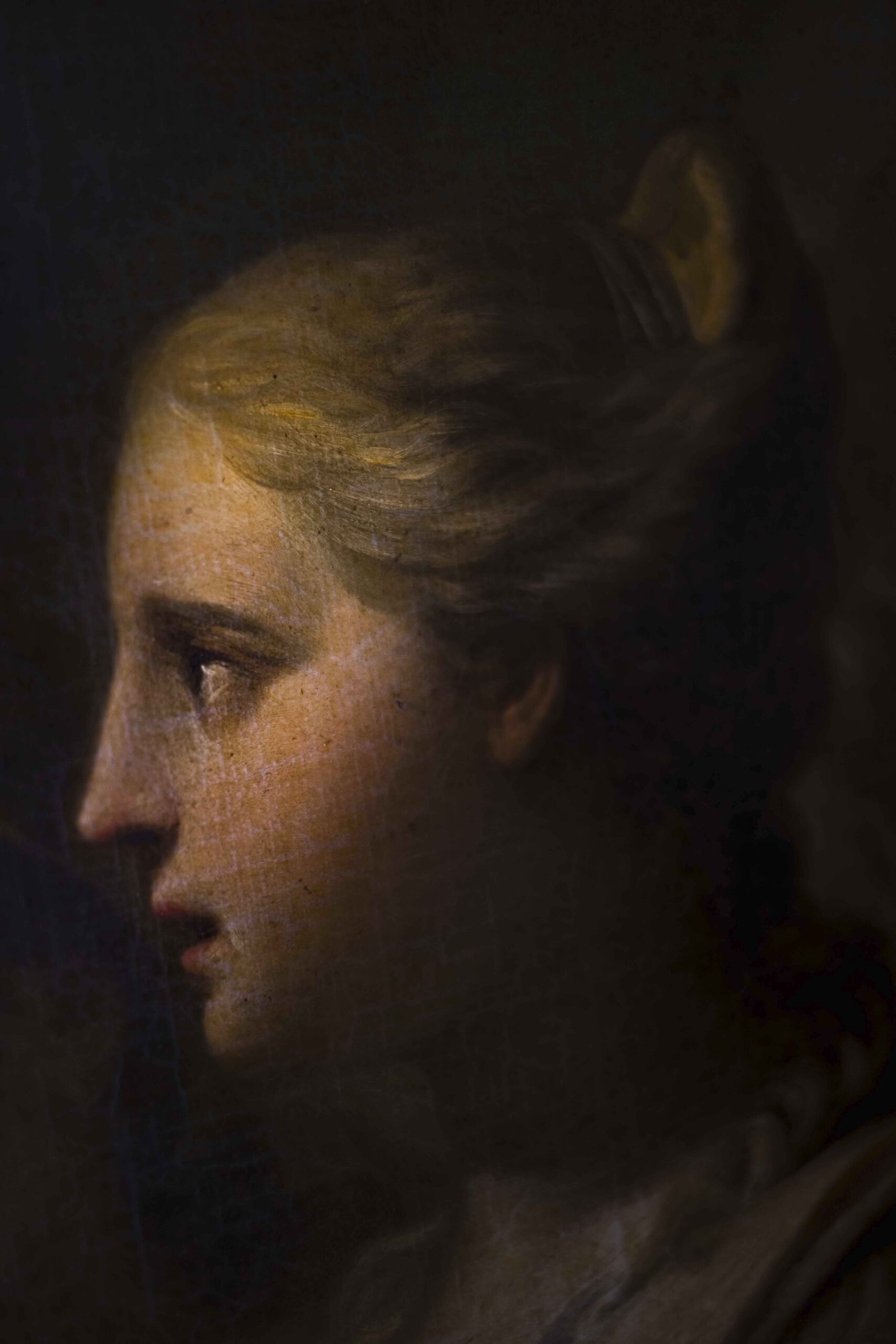
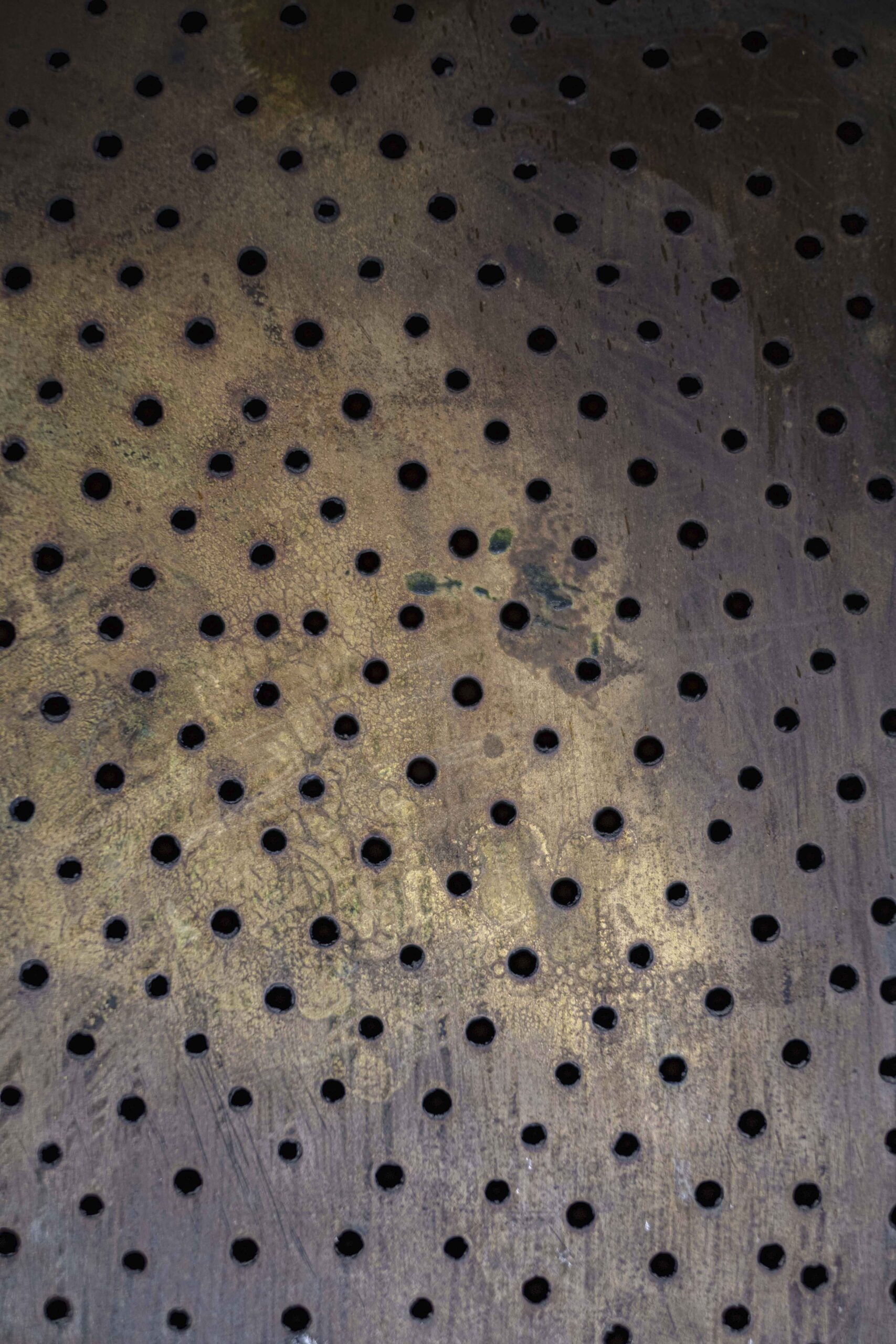
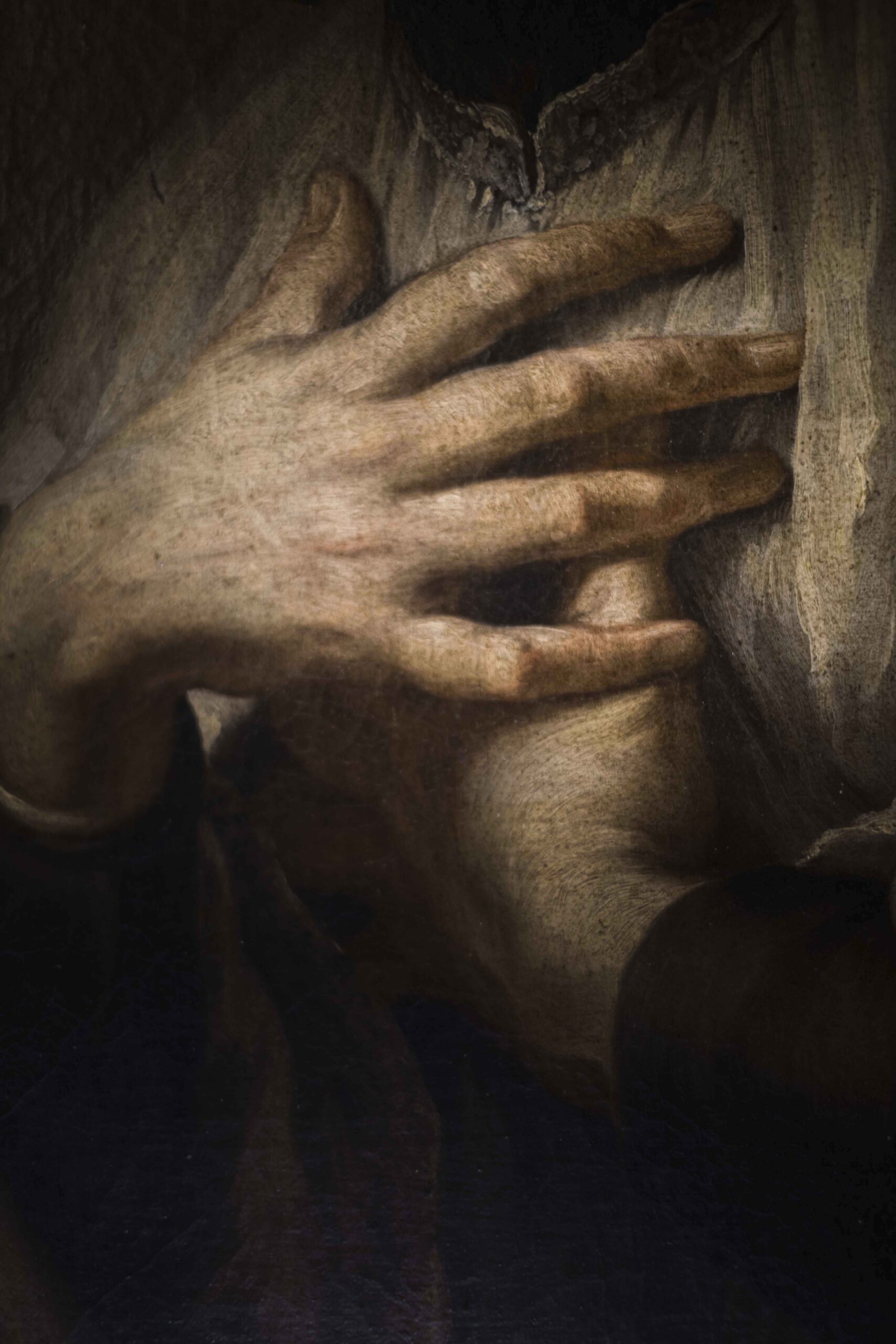
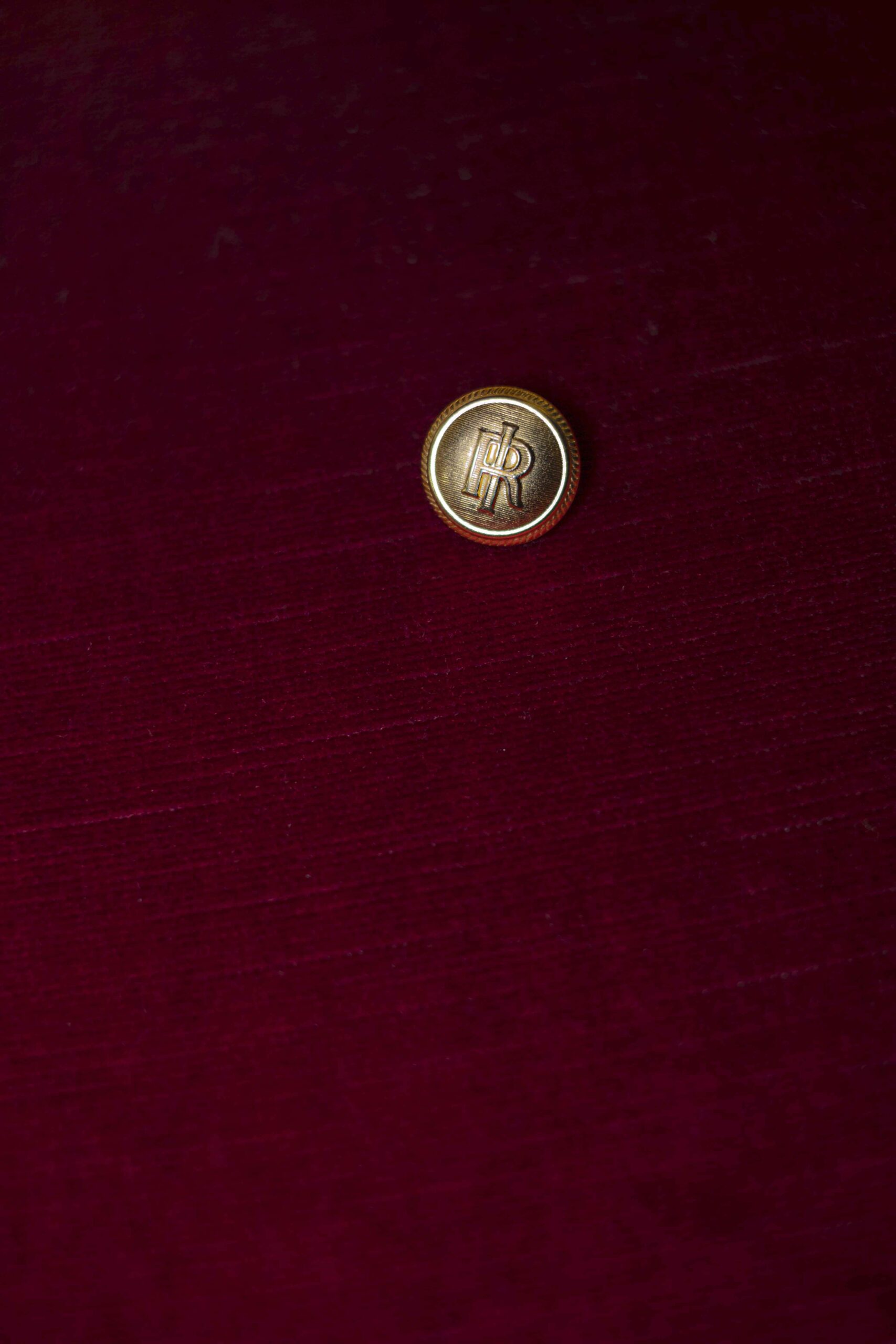
A mia madre rappresenta la testimonianza reale della capacità della fotografa di andare oltre le immagini, per restituire il senso più profondo delle proprie emozioni, per dare significato e valore alla propria creatività, per far riemergere storie che chiedono di essere riportate alla luce. Nella ricerca fotografica di De Rosa il concetto di correlativo oggettivo si riferisce all’utilizzo di elementi visivi che evocano emozioni piuttosto che rappresentare il soggetto in modo oggettivo o da connoisseur. Il suo lavoro si basa sull’utilizzo di colore, luce, composizione e altri elementi visivi che utilizza per creare una connessione emotiva con l’osservatore senza necessariamente fornire una rappresentazione diretta della realtà. Un desiderio di sincronia, di provare per qualche istante ciò che, custodito da una memoria collettiva, resta senza tempo e che ancora oggi è energicamente presente.“Le immagini di Yvonne De Rosa sono correlativi oggettivi e le fotografie vernacolari, sono virgole e punti di paragrafi che scrivono un altro racconto. Gli oggetti del soldato, come nel brano Soldier’sThings di Tom Waits, sono pezzi vagabondi di un “uno” andato in frantumi nelle trincee di mille guerre che ancora strappano i figli alle madri. A mia madre è un archivio in cui Yvonne De Rosa, mentre riafferma il valore di verità e memoria, insinua la finzione narrativa. Un archivio che produce impressioni, percezioni non traiettorie e percorsi.”
Simone Azzoni
The Church of the Nunziatella Military School in Naples has witnessed within its walls the voices, signs, and stories of very young people and their loved ones, who have left behind echoes still audible to those who lend an ear and wish to listen. A MIA MADRE is a journey into memory that listens to the stories of young soldiers who passed through the evocative walls of the Church of the Nunziatella in Naples, of those who waited for them, and of the confessions of those who returned with heavier hearts.It is a meta-narrative that tells and gathers sensations, focusing on what young soldiers might have felt after leaving behind their dearest affections, confronting fear, and losing the carefree spirit of youth to become, suddenly and inevitably, adults.As a testimony to that lost innocence, the title recalls the final part of the book, which is dedicated to a long letter—entitled “To My Mother”—written by a young soldier whose diary—transcribed in the first part of the book—portrays him as carefree and confident “of doing his duty well” during the days of training. But once he went to war and was captured by the enemy, he invoked his mother’s name, hoping to ease his pain and soothe his wounds:“In every adversity, before the hardest labors, even when I thought I was going mad, it was enough for me to pronounce your sweet name to accustom myself to my harsh fate.”
A mia madre stands as a real testimony to the photographer’s ability to go beyond images, to convey the deepest meaning of her emotions, to give purpose and value to her creativity, and to bring back to light stories that ask to be remembered. In De Rosa’s photographic research, the concept of objective correlative refers to the use of visual elements that evoke emotions rather than representing the subject in an objective or connoisseur’s manner. Her work relies on the use of color, light, composition, and other visual elements that she employs to create an emotional connection with the viewer without necessarily providing a direct representation of reality.A desire for synchrony—to feel, for a brief moment, what is preserved in a collective memory that remains timeless and still vibrantly present today. “Yvonne De Rosa’s images are objective correlatives, and vernacular photographs are commas and periods in paragraphs that write another story. The soldier’s belongings, as in Tom Waits’ song ‘Soldier’s Things,’ are wandering fragments of a ‘whole’ shattered in the trenches of a thousand wars that still tear sons from their mothers. ‘A mia madre’ is an archive in which Yvonne De Rosa, while reaffirming the value of truth and memory, subtly introduces narrative fiction. An archive that produces impressions, non-linear perceptions, and pathways.”
Simone Azzoni
La Chiesa della Scuola Militare Nunziatella di Napoli ha visto passare tra le sue mura voci, segni e storie di giovanissimi e dei loro cari che in quei luoghi hanno lasciato echi ancora udibili per chi porge l’orecchio ed ha voglia di ascoltare. A MIA MADRE è un viaggio nella memoria che ascolta le storie di giovani soldati che sono passati tra le suggestive mura della Chiesa della Nunziatella di Napoli, coloro che li aspettavano e le confessioni di chi vi faceva ritorno con il cuore più pesante.È un meta-racconto che narra e raccoglie sensazioni, soffermandosi su ciò che possono aver provato i giovani soldati dopo l’abbandono degli affetti più cari, il combattimento della paura e la perdita della spensieratezza giovanile per diventare, improvvisamente e inevitabilmente, grandi.A testimonianza di quell’innocenza perduta, il titolo riprende l’ultima parte del libro che è dedicata alla lunga lettera – intitolata “A mia madre” – di un giovane soldato il cui diario – trascritto nella prima parte del libro – lo ritrae spensierato e fiducioso “di fare bene il suo dovere” durante i giorni dell’addestramento, ma, una volta andato in guerra e catturato dai nemici, ecco che invoca il nome della madre, con la speranza di alleviare il proprio dolore e lenire le proprie ferite: «In ogni avversità, davanti alle più dure fatiche, anche quando mi sembrava di impazzire bastava che pronunziassi il tuo dolce nome perché riuscissi ad assuefarmi al duro destino».
A mia madre rappresenta la testimonianza reale della capacità della fotografa di andare oltre le immagini, per restituire il senso più profondo delle proprie emozioni, per dare significato e valore alla propria creatività, per far riemergere storie che chiedono di essere riportate alla luce. Nella ricerca fotografica di De Rosa il concetto di correlativo oggettivo si riferisce all’utilizzo di elementi visivi che evocano emozioni piuttosto che rappresentare il soggetto in modo oggettivo o da connoisseur. Il suo lavoro si basa sull’utilizzo di colore, luce, composizione e altri elementi visivi che utilizza per creare una connessione emotiva con l’osservatore senza necessariamente fornire una rappresentazione diretta della realtà. Un desiderio di sincronia, di provare per qualche istante ciò che, custodito da una memoria collettiva, resta senza tempo e che ancora oggi è energicamente presente.“Le immagini di Yvonne De Rosa sono correlativi oggettivi e le fotografie vernacolari, sono virgole e punti di paragrafi che scrivono un altro racconto. Gli oggetti del soldato, come nel brano Soldier’sThings di Tom Waits, sono pezzi vagabondi di un “uno” andato in frantumi nelle trincee di mille guerre che ancora strappano i figli alle madri. A mia madre è un archivio in cui Yvonne De Rosa, mentre riafferma il valore di verità e memoria, insinua la finzione narrativa. Un archivio che produce impressioni, percezioni non traiettorie e percorsi.”
Simone Azzoni
The Church of the Nunziatella Military School in Naples has witnessed within its walls the voices, signs, and stories of very young people and their loved ones, who have left behind echoes still audible to those who lend an ear and wish to listen. A MIA MADRE is a journey into memory that listens to the stories of young soldiers who passed through the evocative walls of the Church of the Nunziatella in Naples, of those who waited for them, and of the confessions of those who returned with heavier hearts.It is a meta-narrative that tells and gathers sensations, focusing on what young soldiers might have felt after leaving behind their dearest affections, confronting fear, and losing the carefree spirit of youth to become, suddenly and inevitably, adults.As a testimony to that lost innocence, the title recalls the final part of the book, which is dedicated to a long letter—entitled “To My Mother”—written by a young soldier whose diary—transcribed in the first part of the book—portrays him as carefree and confident “of doing his duty well” during the days of training. But once he went to war and was captured by the enemy, he invoked his mother’s name, hoping to ease his pain and soothe his wounds:“In every adversity, before the hardest labors, even when I thought I was going mad, it was enough for me to pronounce your sweet name to accustom myself to my harsh fate.”
A mia madre stands as a real testimony to the photographer’s ability to go beyond images, to convey the deepest meaning of her emotions, to give purpose and value to her creativity, and to bring back to light stories that ask to be remembered. In De Rosa’s photographic research, the concept of objective correlative refers to the use of visual elements that evoke emotions rather than representing the subject in an objective or connoisseur’s manner. Her work relies on the use of color, light, composition, and other visual elements that she employs to create an emotional connection with the viewer without necessarily providing a direct representation of reality.A desire for synchrony—to feel, for a brief moment, what is preserved in a collective memory that remains timeless and still vibrantly present today. “Yvonne De Rosa’s images are objective correlatives, and vernacular photographs are commas and periods in paragraphs that write another story. The soldier’s belongings, as in Tom Waits’ song ‘Soldier’s Things,’ are wandering fragments of a ‘whole’ shattered in the trenches of a thousand wars that still tear sons from their mothers. ‘A mia madre’ is an archive in which Yvonne De Rosa, while reaffirming the value of truth and memory, subtly introduces narrative fiction. An archive that produces impressions, non-linear perceptions, and pathways.”
Simone Azzoni