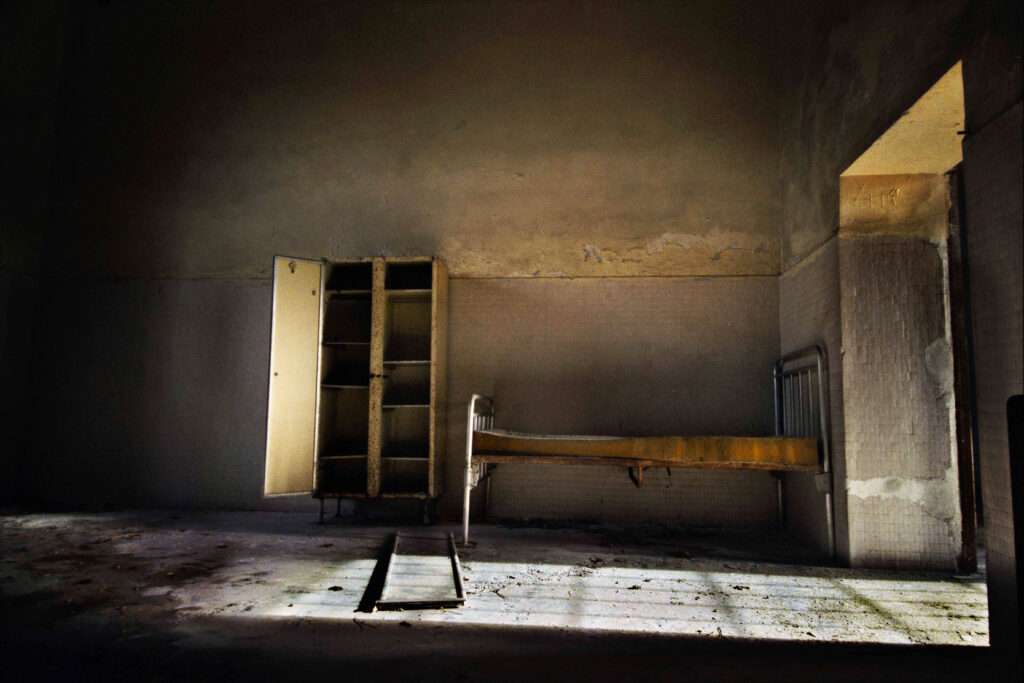
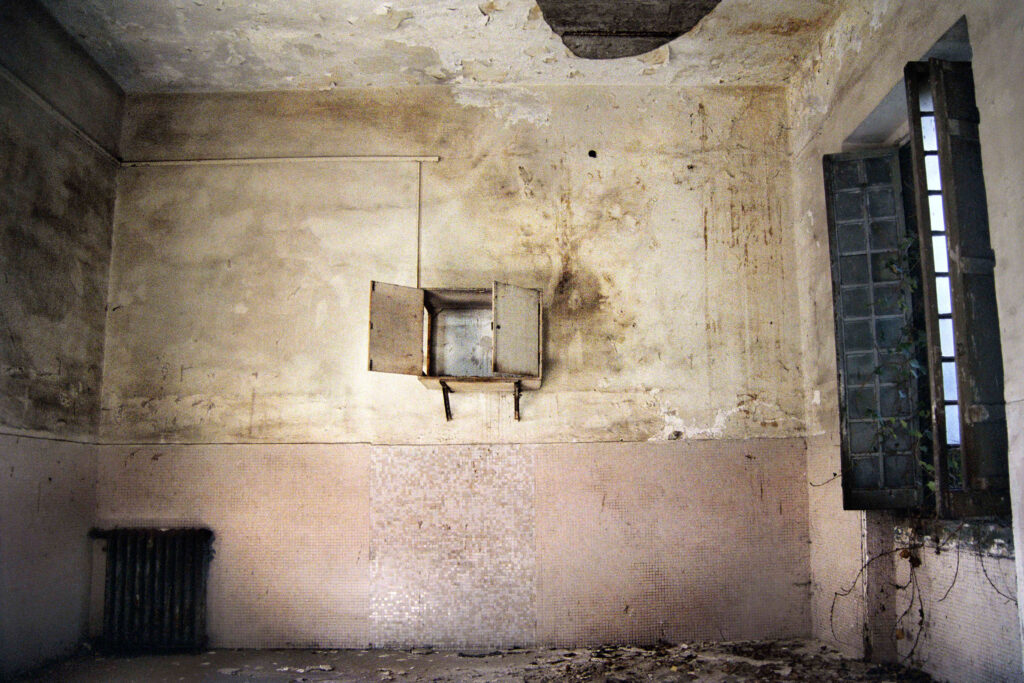
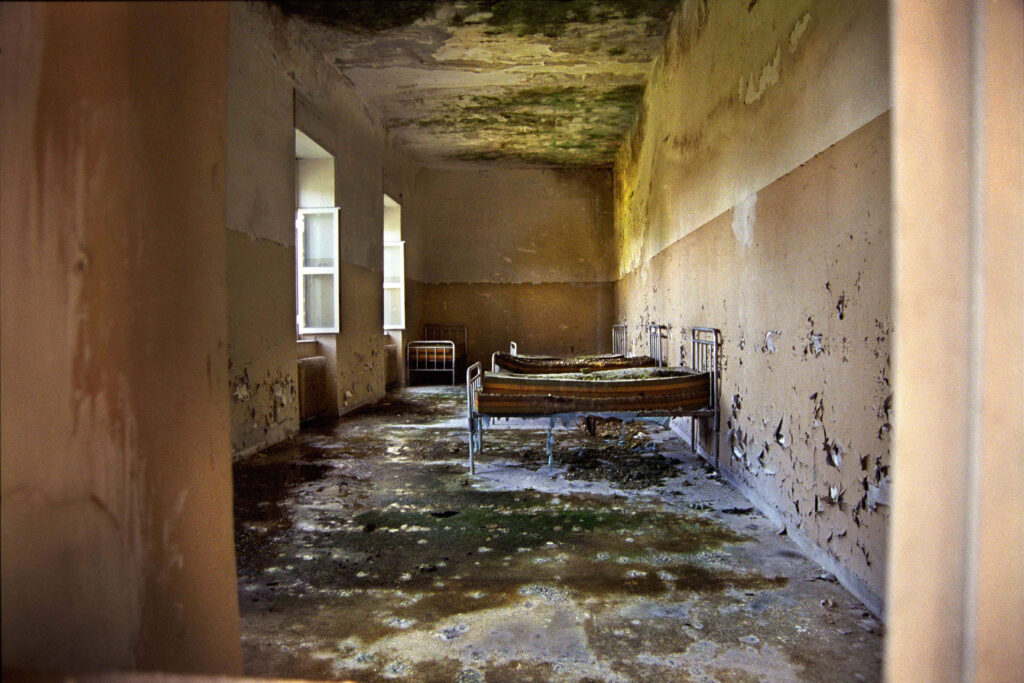
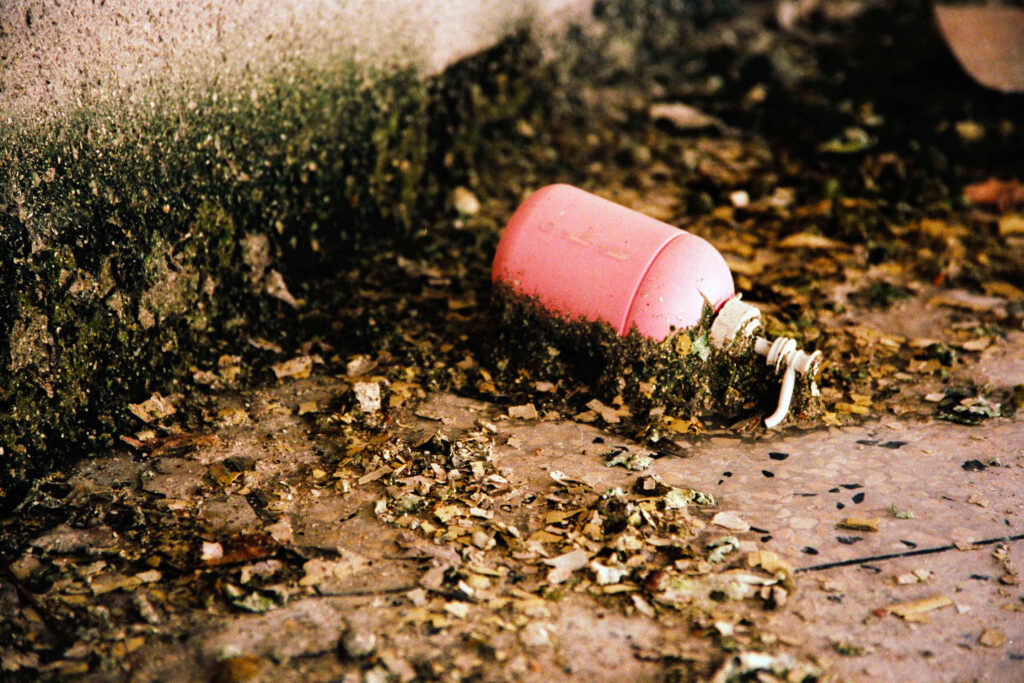
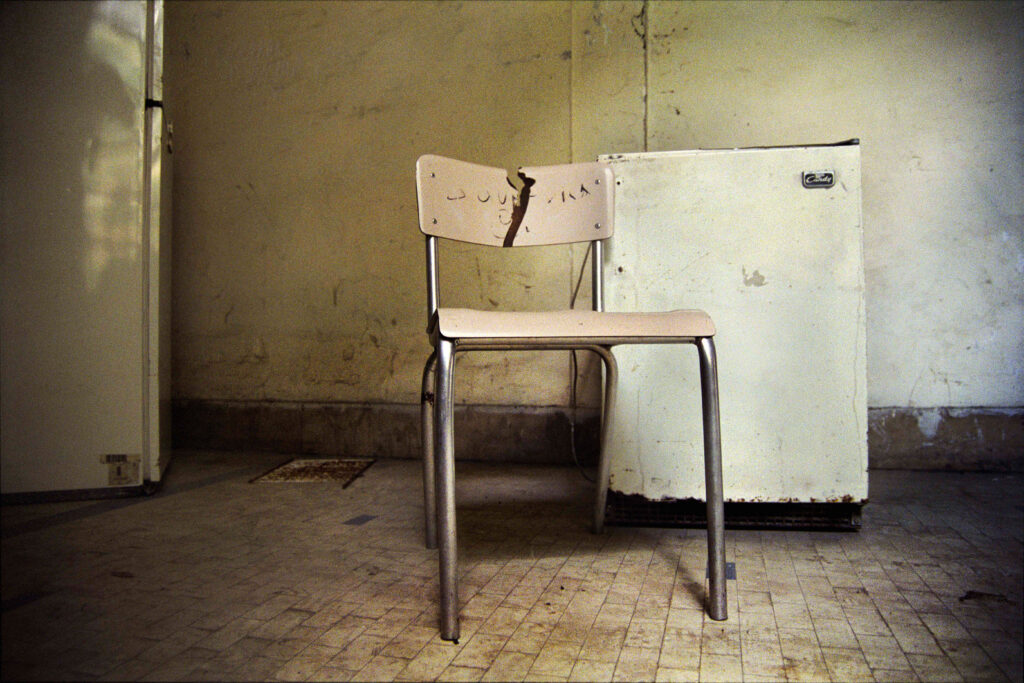
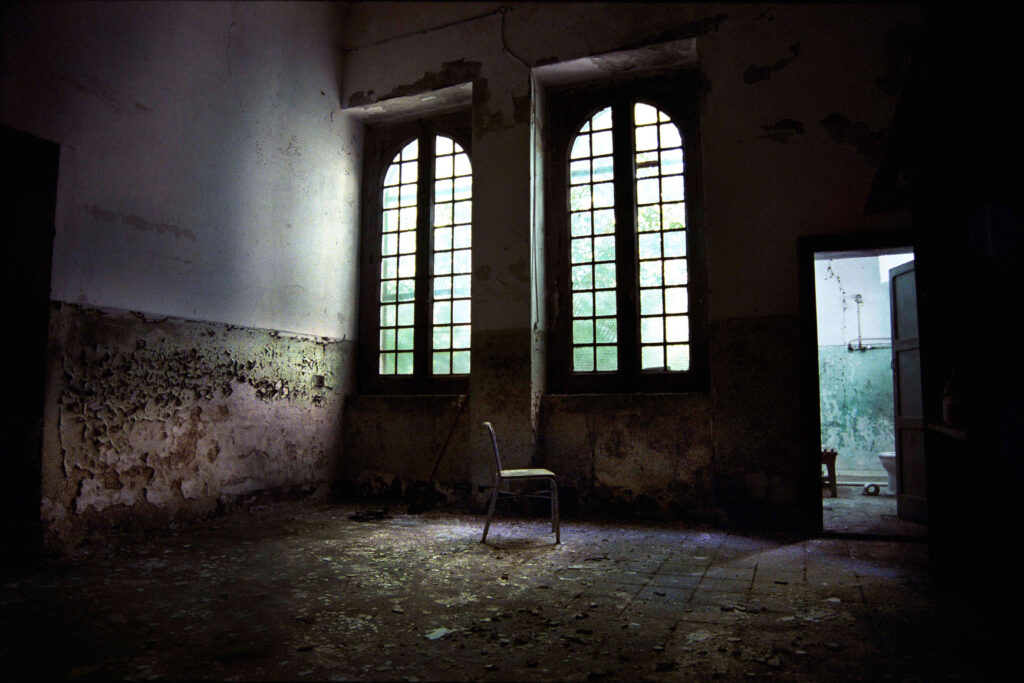
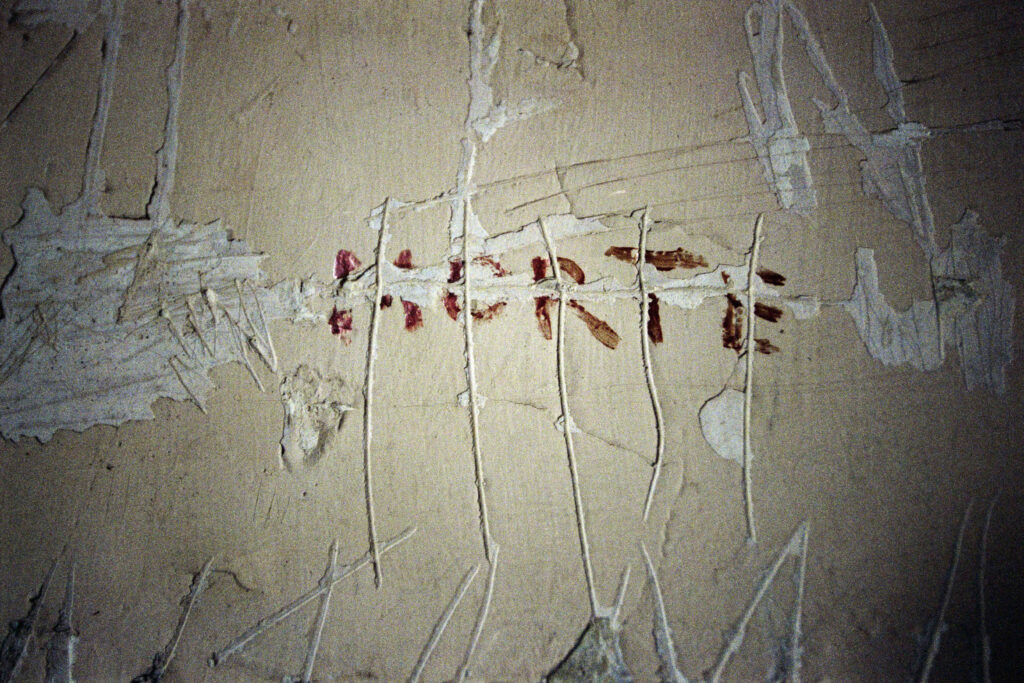
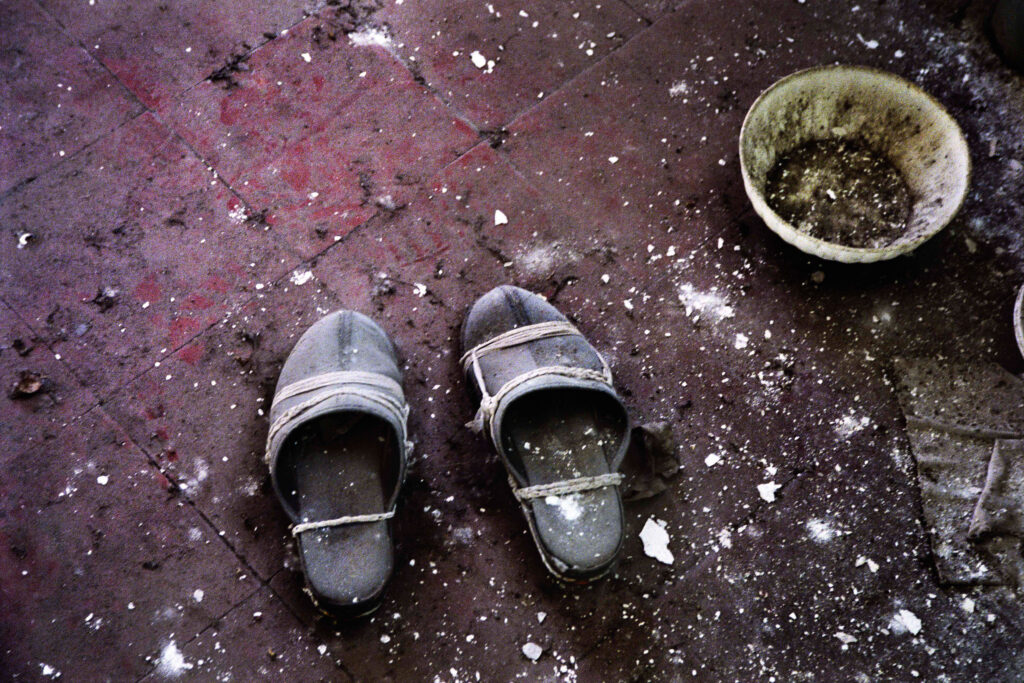
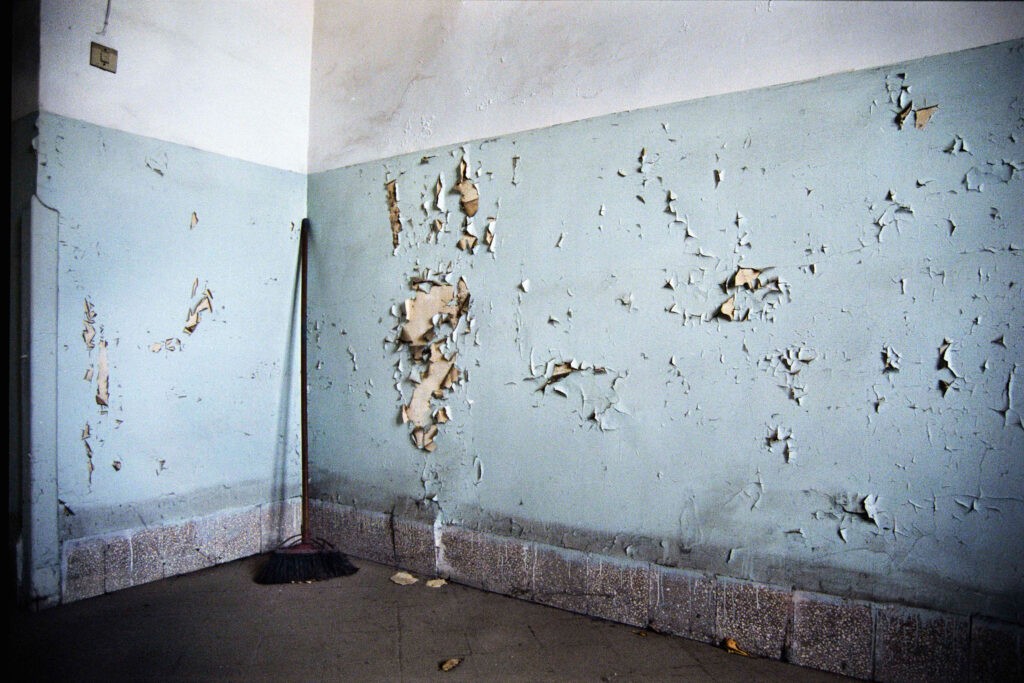
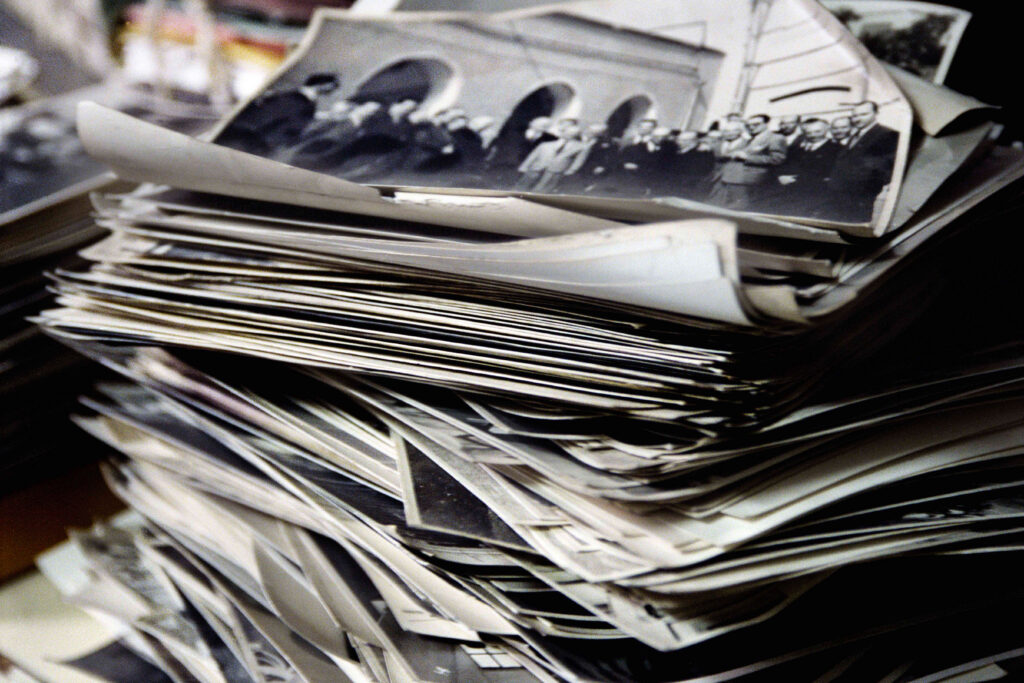
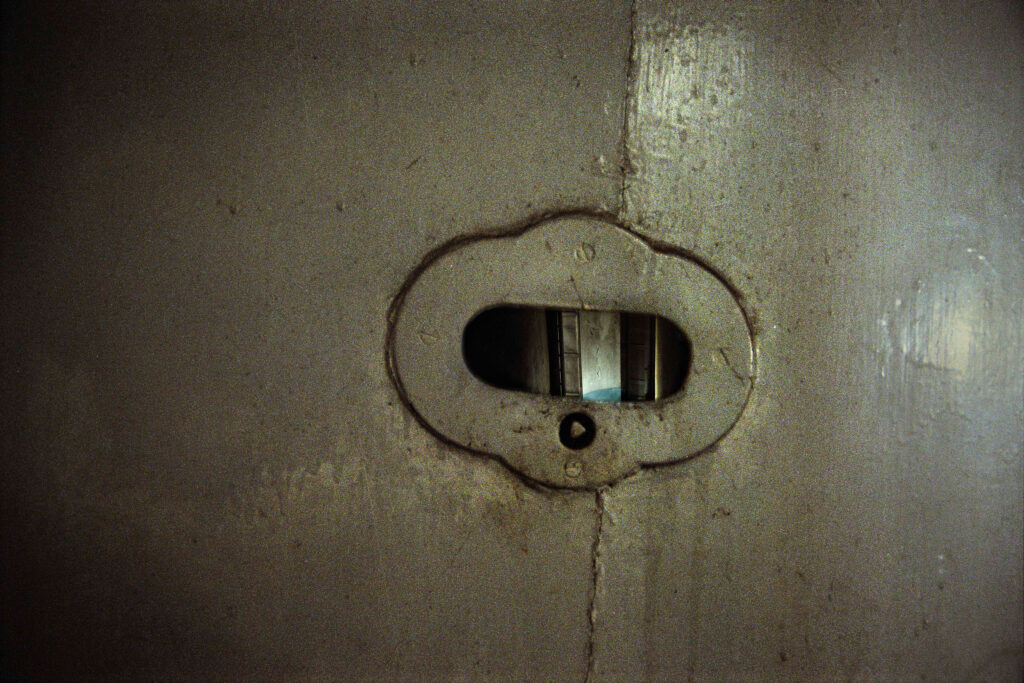
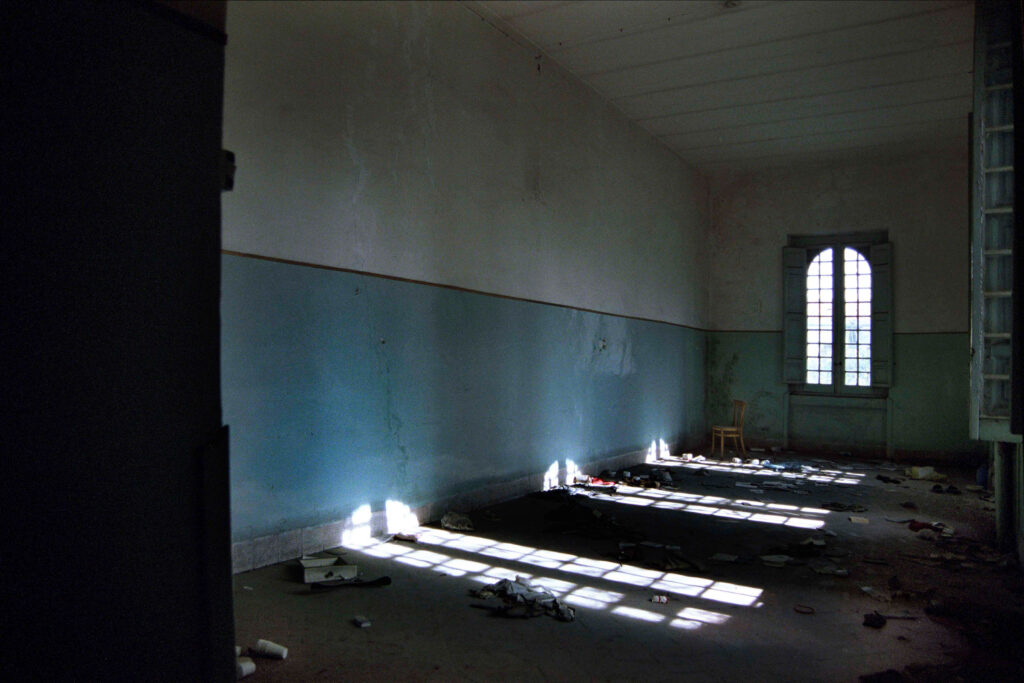
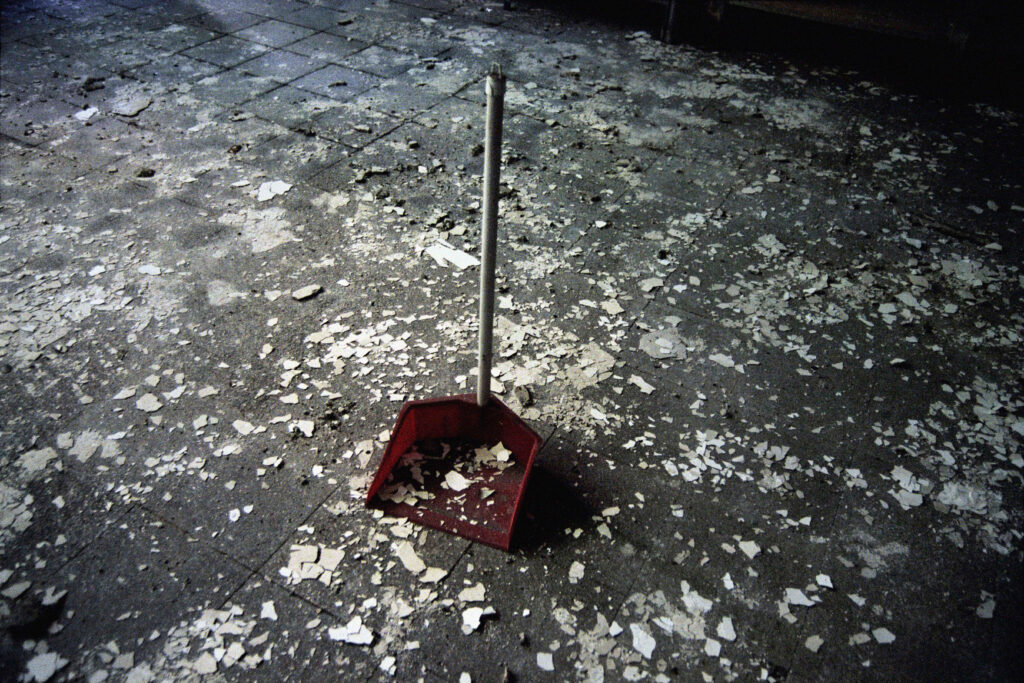
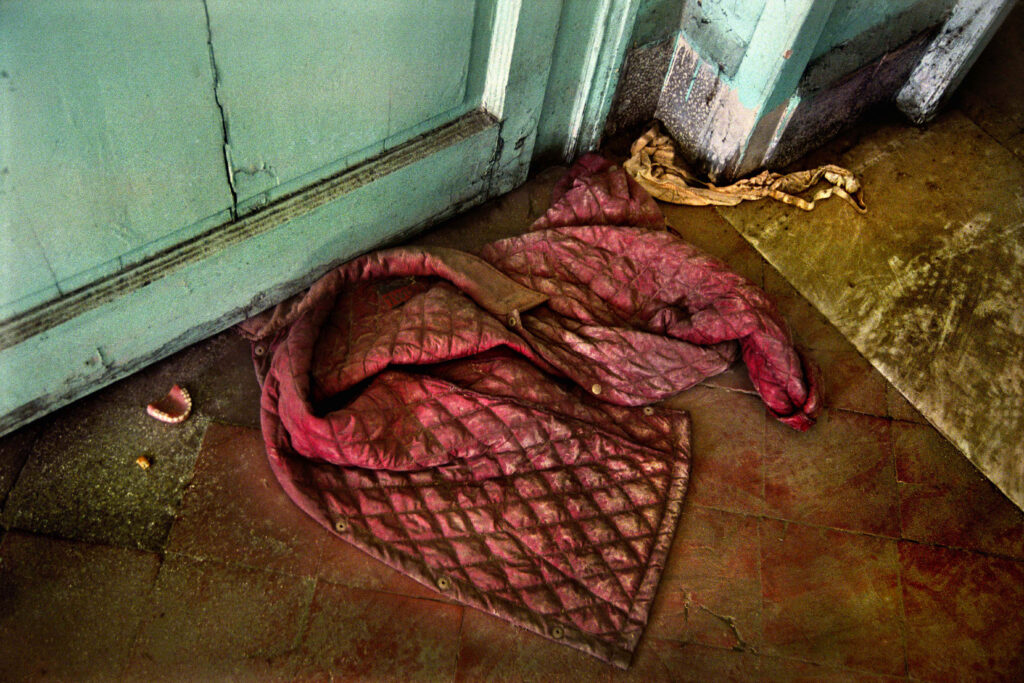
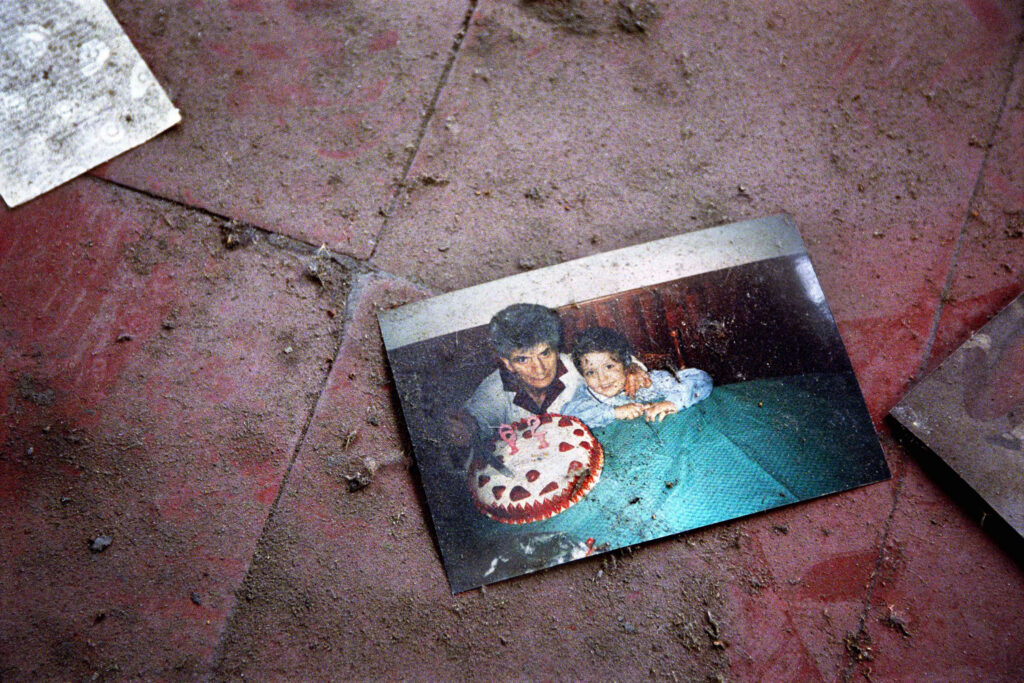
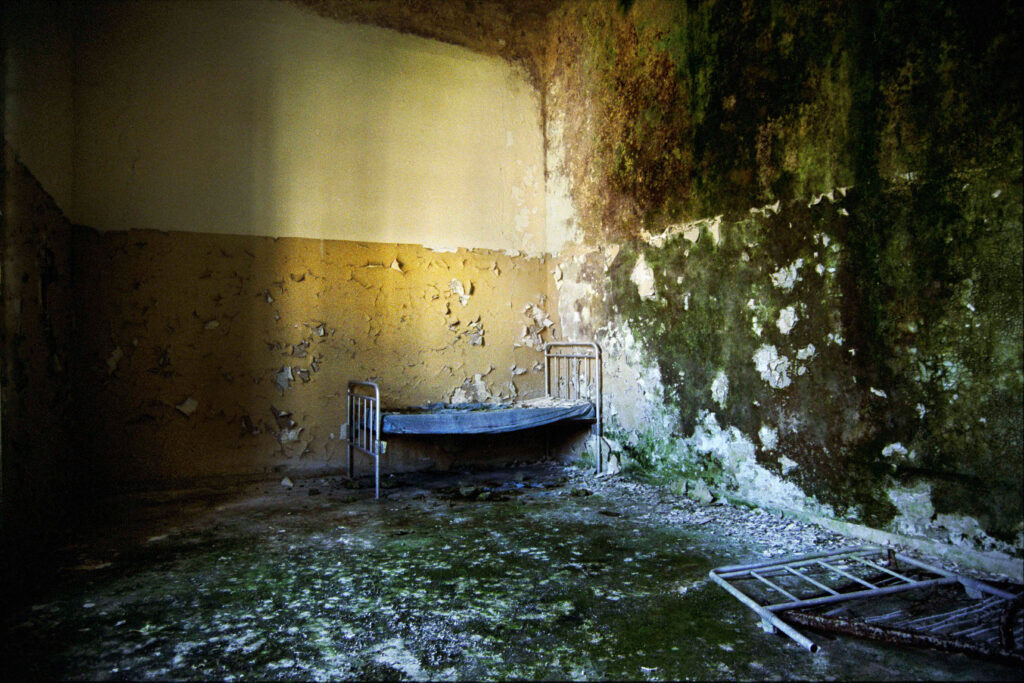
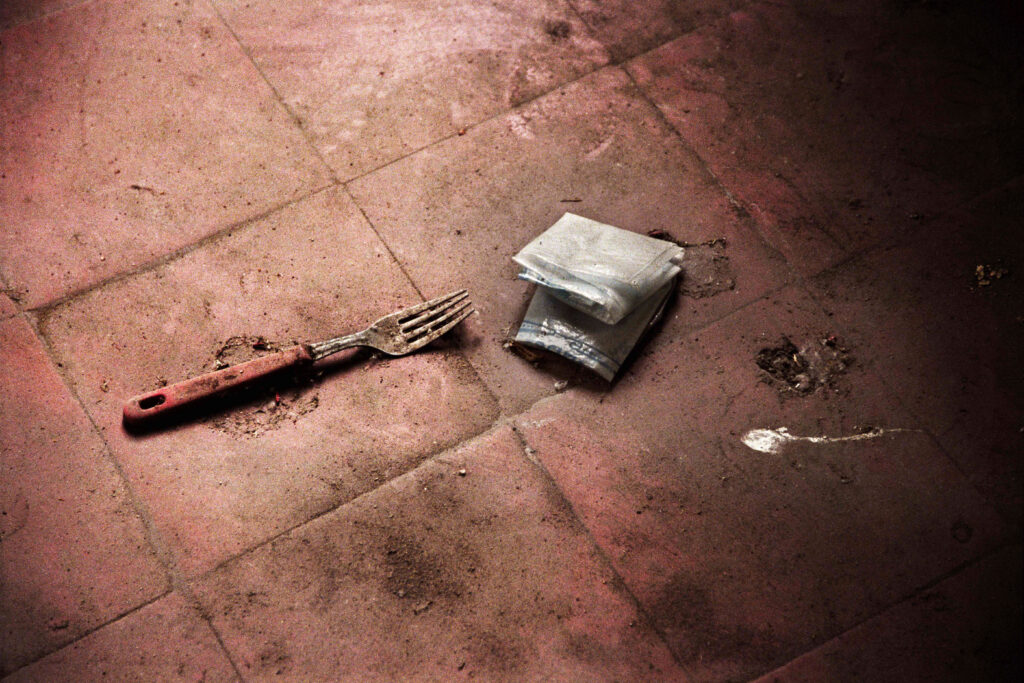
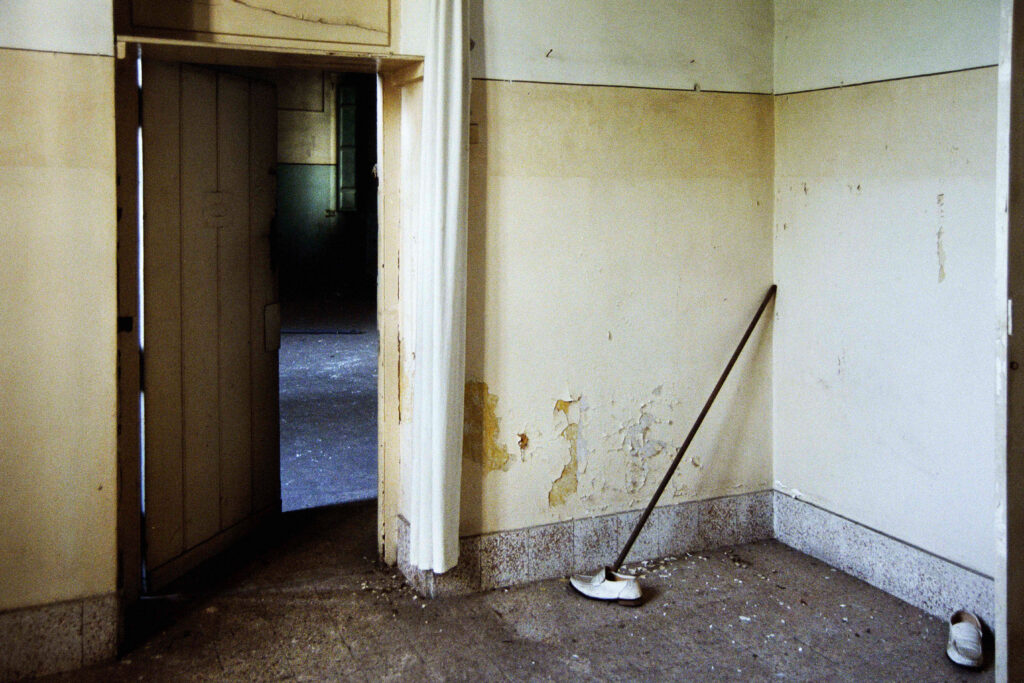
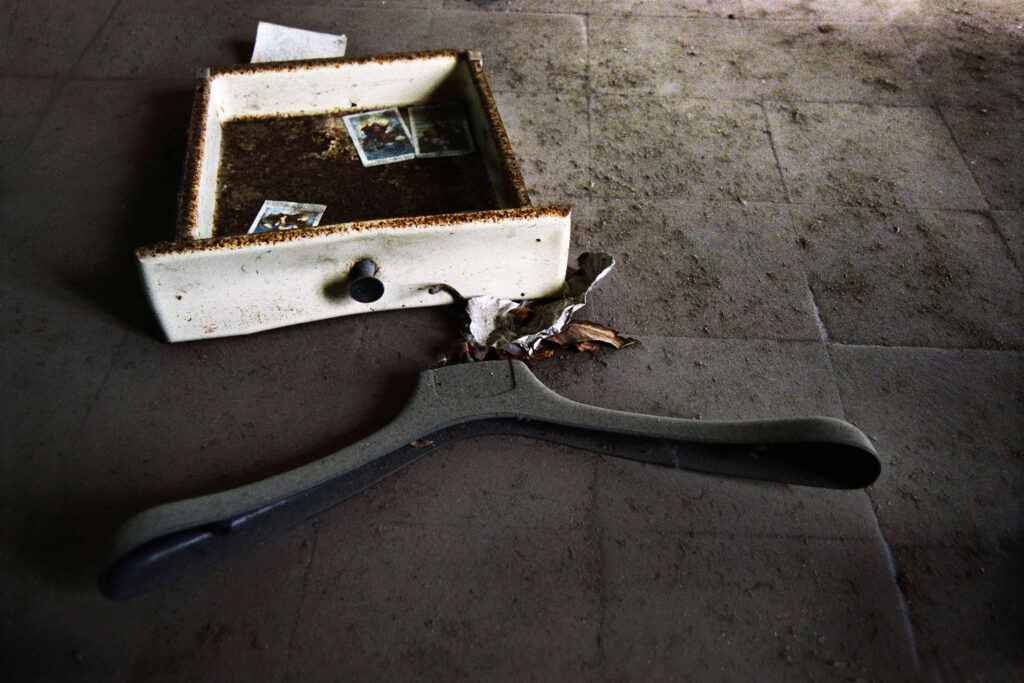
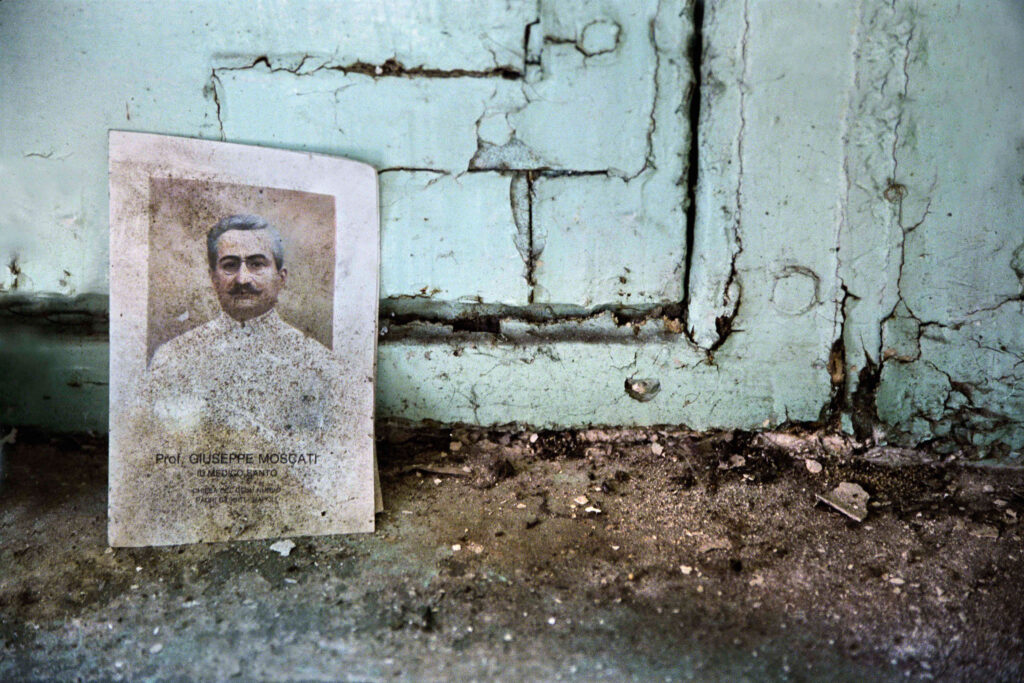
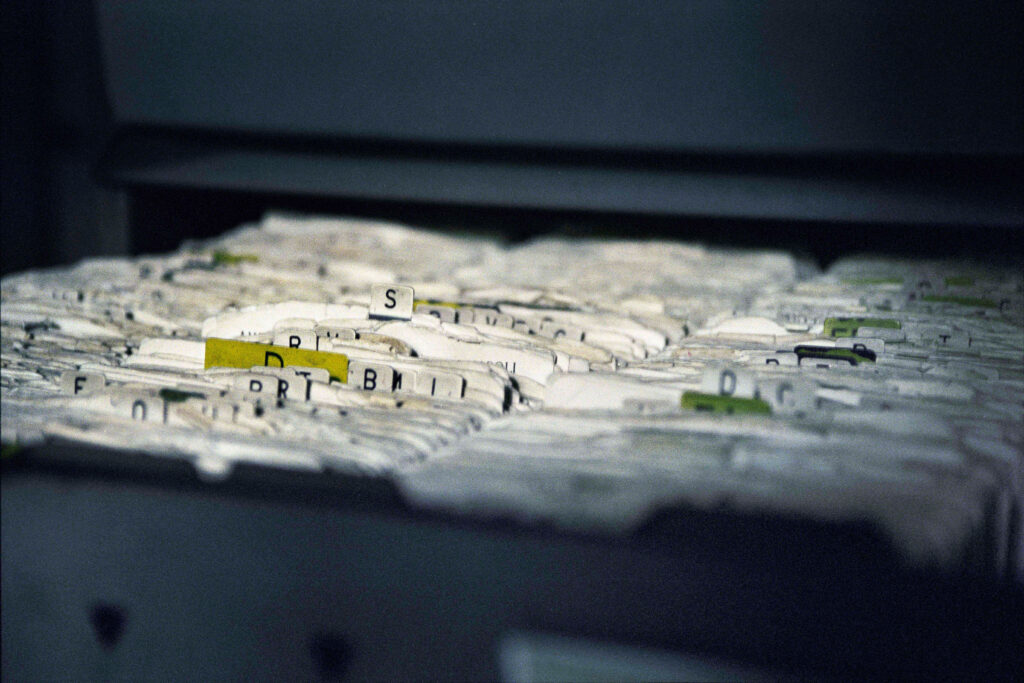
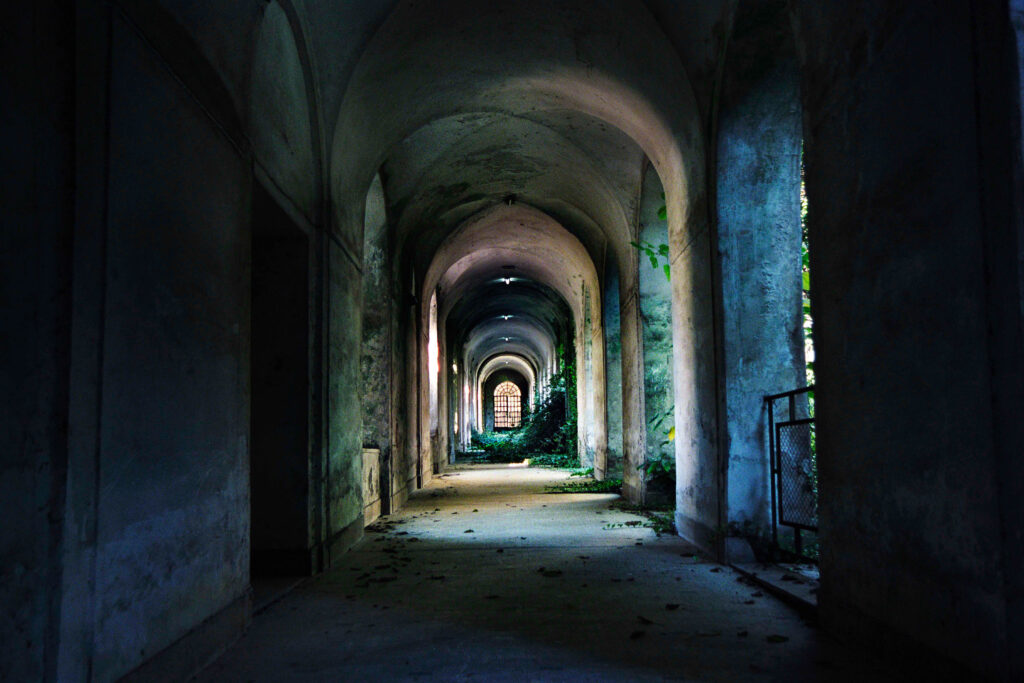
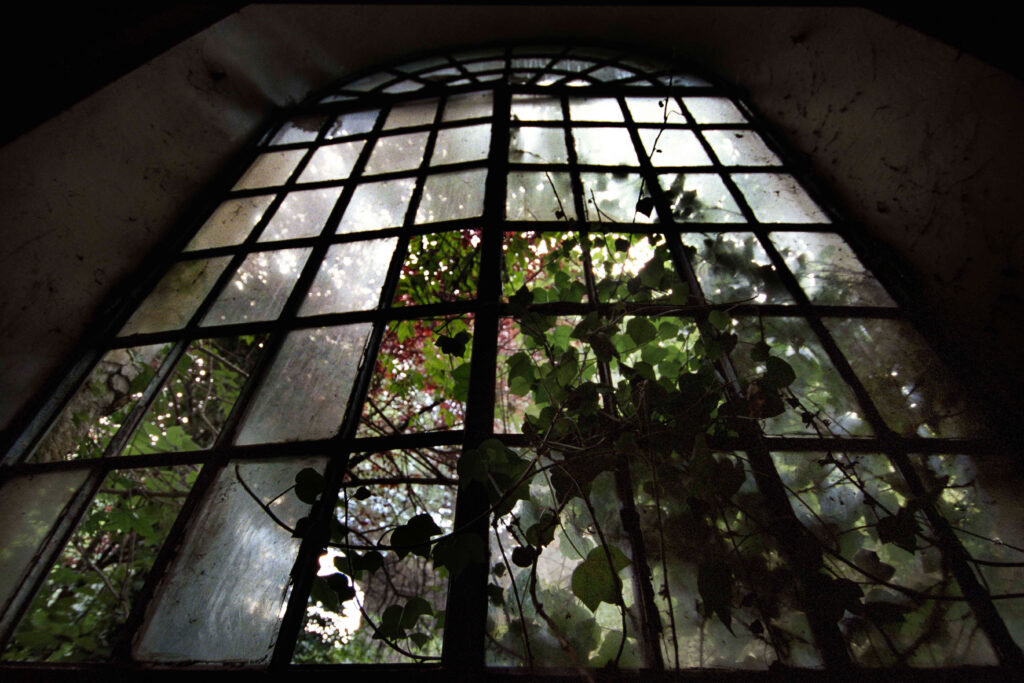
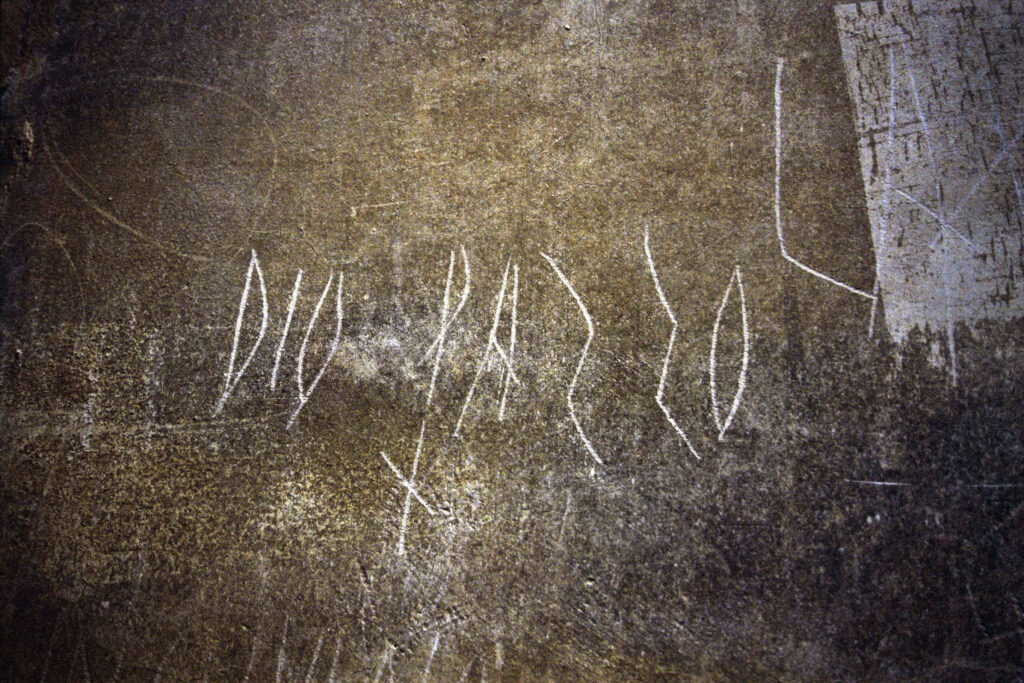
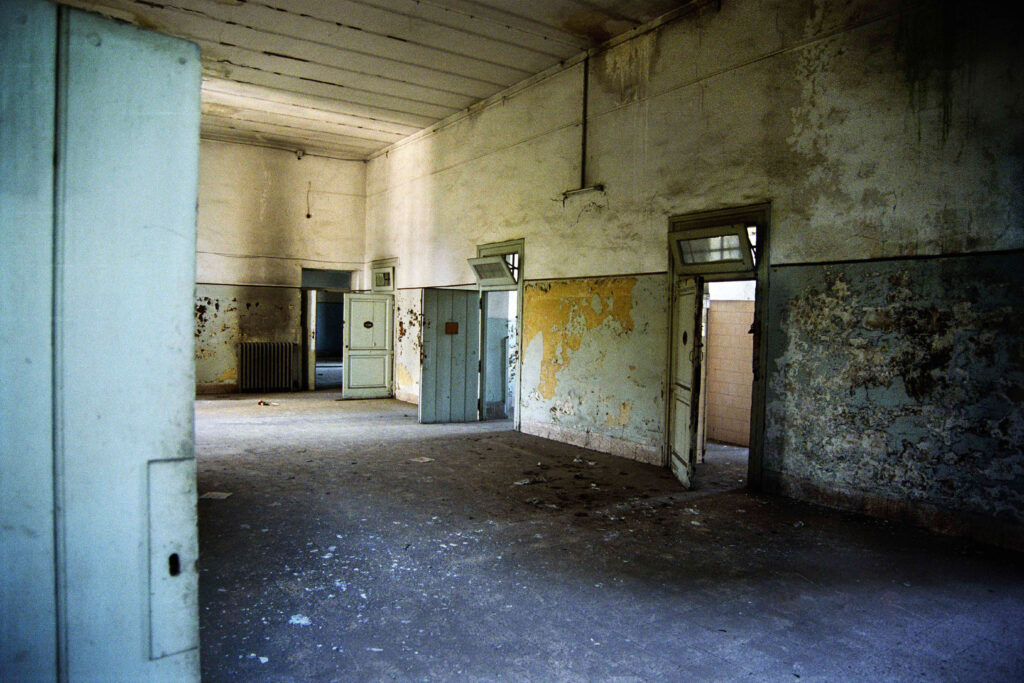
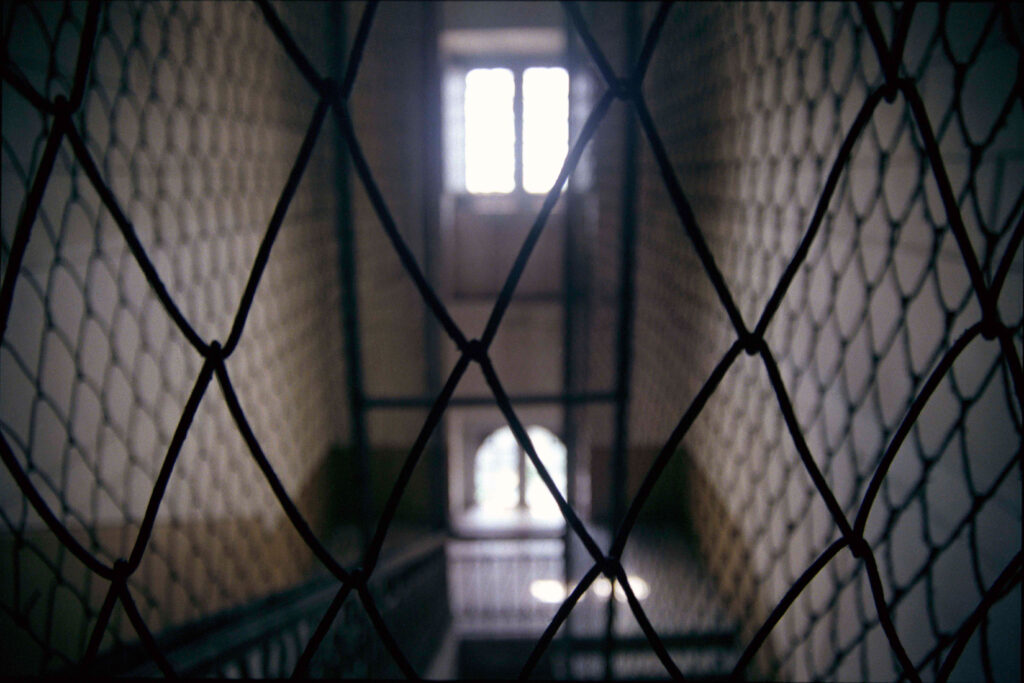
Crazy God nasce dall’esperienza di De Rosa come volontaria negli anni Novanta in un ospedale psichiatrico di cui sceglie deliberatamente di non rivelare nome e luogo. Sei anni dopo la chiusura dell’istituto, l’artista è rientrata nell’edificio abbandonato per fotografare ciò che restava: gli oggetti lasciati dai pazienti e le scritte sui muri — frasi spesso sorprendentemente lucide. Insieme, queste tracce compongono uno studio toccante sull’assenza, la memoria e le fragili forme di presenza.
Laura Noble
Crazy God grows out of De Rosa’s experience as a volunteer in the 1990s in a psychiatric hospital whose name and location she deliberately chooses not to disclose. Six years after the institution shut down, she re- entered the abandoned building to photograph what remained: the objects left behind by patients and the writings on the wall —sentences that are often unexpectedly lucid. Together, these traces form a touching study of absence, memory, and fragile forms of presence.
Laura Noble